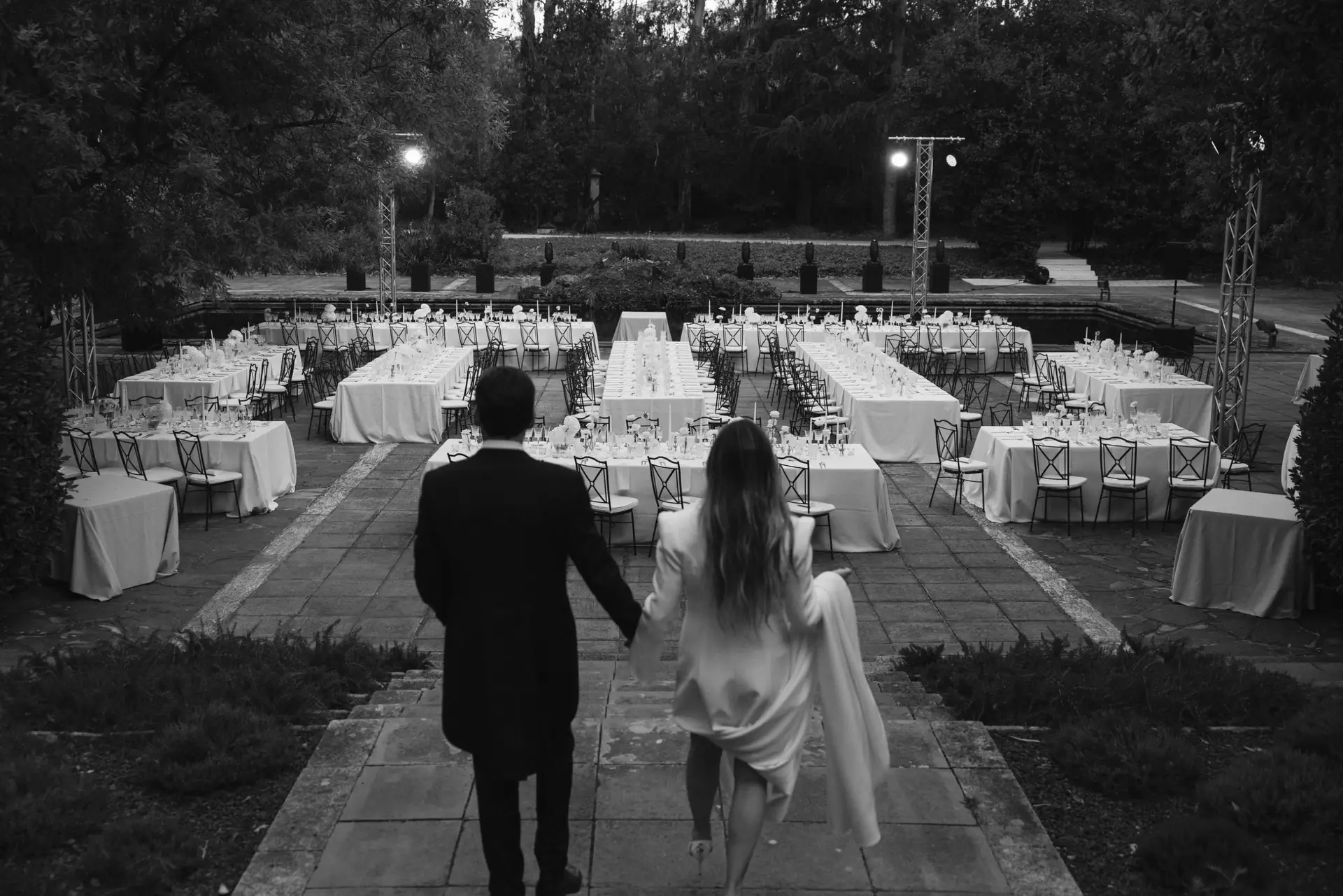
By Alejandro Cebrián · Sunnydays Fotografía
Some wedding photography packages include one photographer, while others offer two. If you’re organizing a wedding, it’s reasonable to wonder whether the second person is essential or simply another expense. My answer depends less on an arbitrary guest count and more on what will be happening at the same time during your celebration.
After photographing more than 300 weddings, I’ve seen how much a second perspective can add, particularly at larger weddings or those with complicated logistics. But I also think one experienced photographer can create a beautiful and complete story of a small, carefully planned celebration. The key is understanding what two photographers actually change.
Two photographers don’t mean twice as many photos
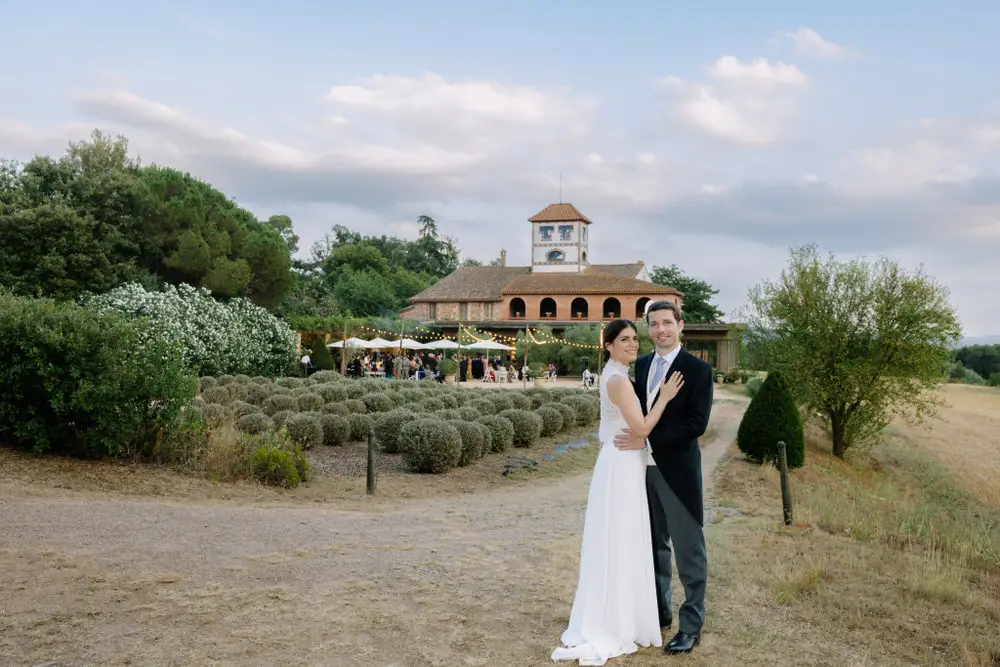
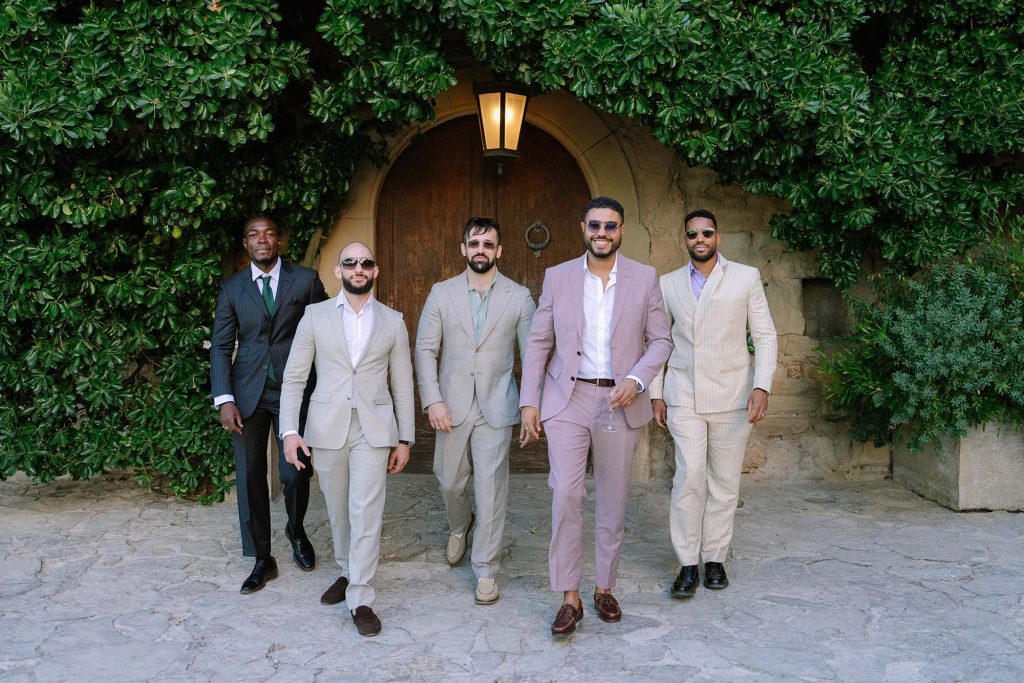
The real benefit is simultaneous coverage. One photographer can be close to the couple during the ceremony while another records a parent’s expression from a different position. One can cover preparations in one hotel room while the other follows preparations elsewhere. During cocktail hour, one might follow the couple as they greet guests while the other photographs conversations and details across the venue.
These aren’t simply duplicate images. They’re moments happening in different places or from perspectives that one person cannot always capture at once. A coordinated team can give a fuller view of the day, although the total number of photographs won’t necessarily double. Selection and editing still matter.
When a second photographer is especially useful
Two getting-ready locations
If you’re preparing at separate hotels or properties and you want both stories photographed, a second photographer is often the cleanest solution. Without one, the primary photographer may need to split time between locations and risk missing something during the transfer. If both partners are getting ready at the same venue, the logistics may be easier, although simultaneous moments can still occur.
Large weddings with activity everywhere
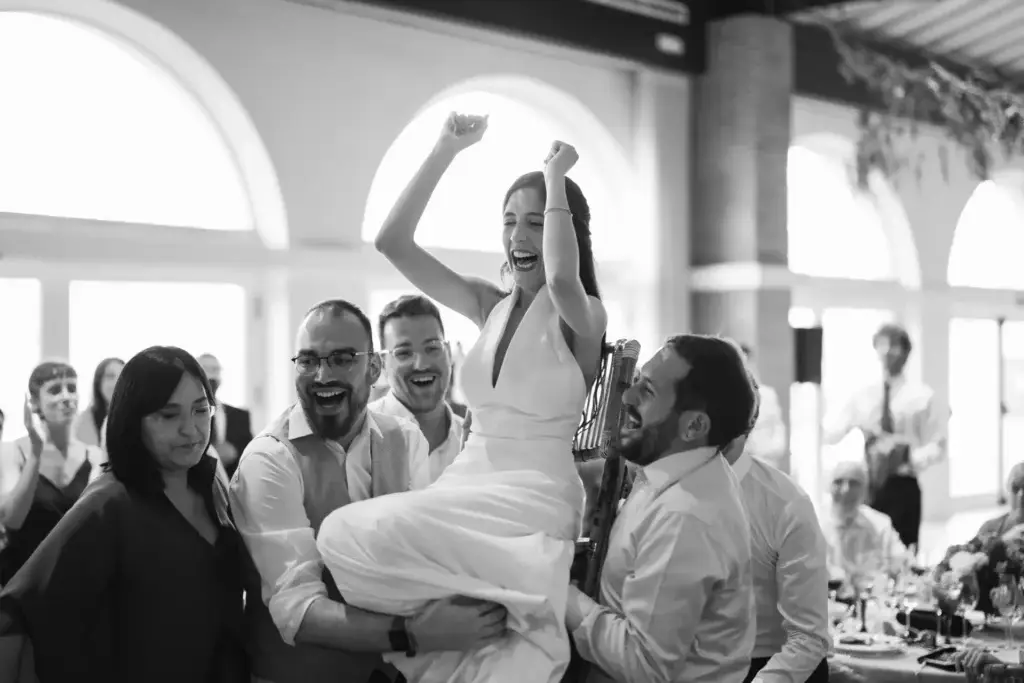
A wedding with 180 guests naturally creates more overlapping conversations and interactions than one with 25. Guest count isn’t a magic threshold, though. The venue layout, number of events, and the importance you place on guest coverage are more useful factors. A small wedding spread across several locations might benefit from two photographers more than a larger wedding held in one compact space.
Ceremonies with limited movement
In churches and some historic venues, photographers may have to stay in designated positions. Two professionals can cover different angles without moving during an important part of the ceremony. That can make a meaningful difference, particularly if one position provides a view of the couple and another captures guests’ reactions. Always respect the celebrant’s or venue’s restrictions.
Multi-day and destination celebrations
If your wedding includes a welcome party, ceremony day, and perhaps an additional gathering, the number of photographers may change by event. Two professionals could be valuable for a large wedding day but unnecessary for a small welcome dinner. Decide on coverage for each occasion instead of assuming the same setup is needed throughout the trip.
What does the second photographer do during each part of the day?
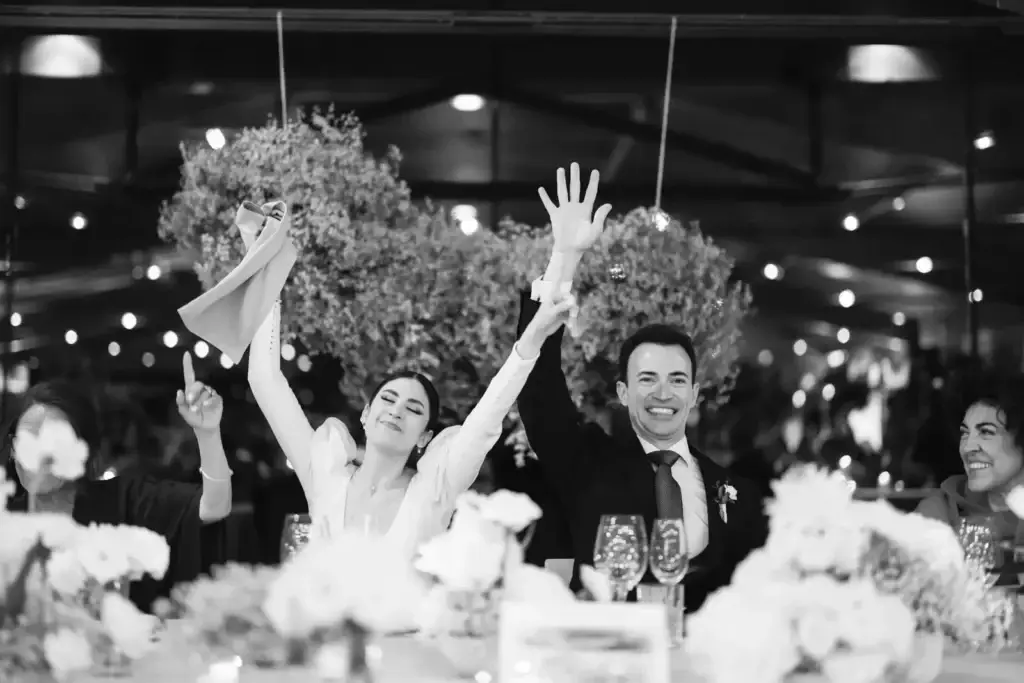
During preparations, the team can split between partners or rooms. During the ceremony, each photographer can work from a different permitted position. At cocktails, the second photographer can capture guests while the first stays closer to the couple. During speeches, one can photograph the speaker while the other looks for reactions around the tables.
There are moments when both may be close to the same scene, such as the first dance, but their frames should complement one another. A good team plans coverage and avoids blocking each other’s view. The second photographer isn’t simply there to hold equipment or repeat the primary photographer’s shots.
When one wedding photographer may be enough
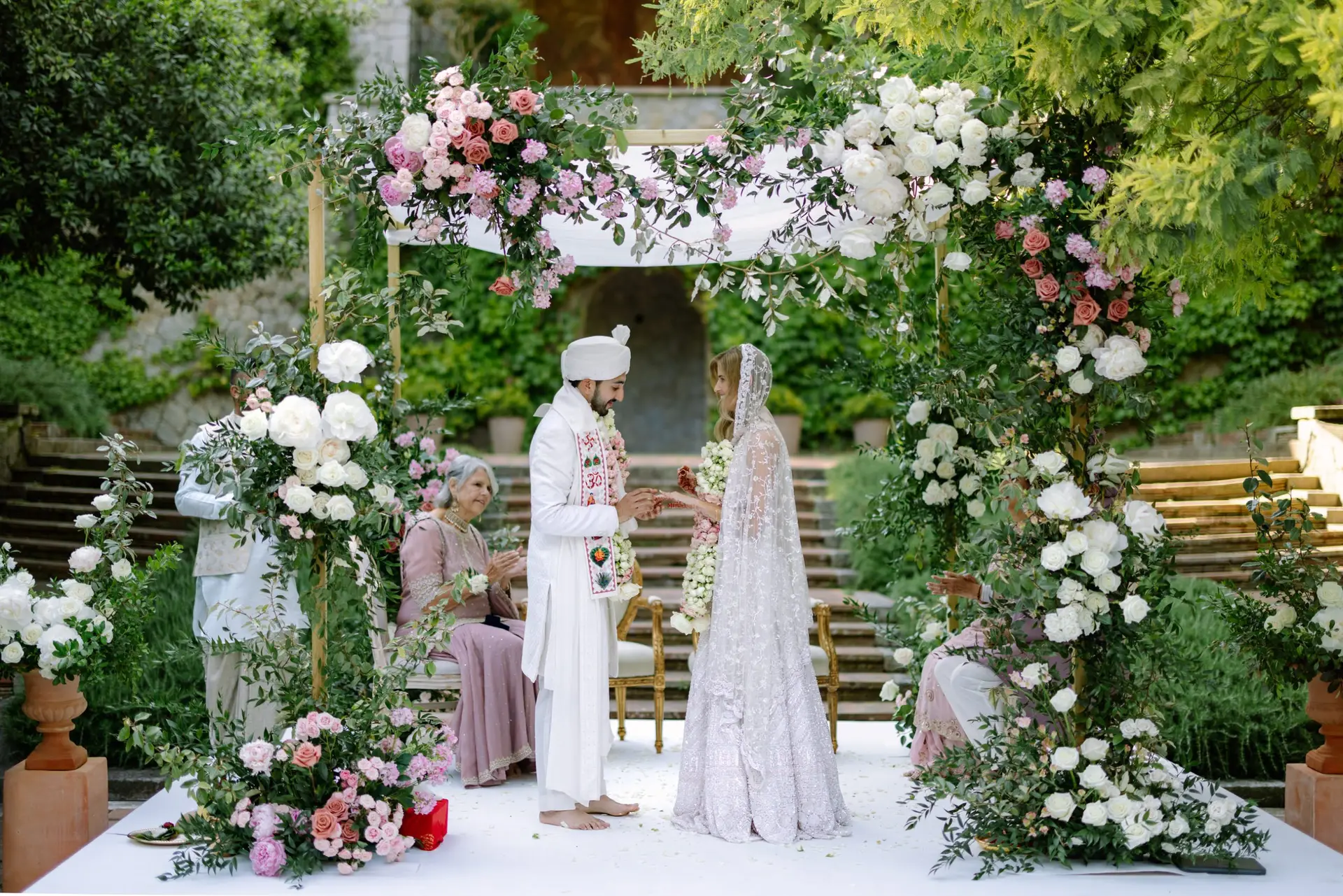
For an intimate celebration with preparations, ceremony, and dinner in one location, a single experienced photographer may be entirely appropriate. This is especially true when the schedule is relaxed and you don’t need extensive simultaneous coverage. One photographer can also be less visually present in a very small ceremony, which some couples appreciate.
The tradeoff is that one person cannot be everywhere at once. If both partners get ready simultaneously in different buildings or if you want photographs of every guest interaction while taking couple portraits, you’ll need to accept some limits or change the schedule. That’s not a failure; it’s simply the physical reality of covering an event.
A second photographer isn’t automatically a safety guarantee
Having two professionals may provide additional resilience during the day, but it doesn’t replace proper backup equipment, file-handling procedures, or a clear contingency plan. Ask whether each photographer uses reliable equipment and how images are safeguarded. The primary photographer or studio should remain responsible for delivering a consistent final gallery.
I would also ask who selects and edits the images. Two photographers can use different cameras, lenses, and perspectives, but the finished gallery should still feel coherent. That’s part of the value of hiring an established team rather than simply adding an unfamiliar person at the last minute. Reviewing a full wedding gallery is a useful way to assess that consistency.
Is a second photographer better than more hours with one?
That depends on the moments you care about. If your main concern is simultaneous preparations, a second photographer for part of the day may be more useful than extending coverage late into the party. If the important moments happen sequentially but the celebration lasts a long time, extra coverage hours with one photographer may serve you better.
Compare the actual timeline before spending money. Don’t make the decision from a generic rule such as “over 100 guests means you need two.” Think about locations, simultaneous events, restrictions, and whether you want a wider story of the guests as well as the couple.
What to ask before adding a second photographer
Find out who the second professional will be, how experienced they are, how many hours they’re included for, and which parts of the day they’ll cover. Ask whether travel and meals are included where relevant. Confirm who owns the edit and whether the final images arrive together in one gallery.
If the package describes a second photographer as optional, ask the primary photographer to explain the difference using your actual wedding plan. A useful recommendation should identify what additional moments would be captured, not simply promise “more photos.” My guide to questions to ask a wedding photographer covers the wider booking conversation.
Frequently asked questions
How many guests justify a second photographer?
There’s no universal number. Large guest lists create more simultaneous activity, but venue layout and overlapping events are just as important.
Will we receive twice as many photographs?
Not necessarily. You’ll gain more perspectives and coverage of simultaneous moments, but the final selection should avoid near-duplicates.
Is a second photographer the same as an assistant?
No. A second photographer independently makes photographs. An assistant may help with equipment, lighting, or logistics without being responsible for a separate set of images.
Is a second photographer necessary for an elopement?
Usually not for a simple, intimate event, although unusual logistics or a particular creative brief can make two people useful.
Choose coverage around your actual wedding
I often recommend two photographers for weddings where the day is full of simultaneous moments and a lot is happening across a large venue. But I don’t believe every couple needs the same package. If you tell me about your schedule, guest list, and locations, I can explain where a second photographer would make a difference and where one photographer would be enough.
For the wider planning context, see choosing your wedding photographer.
You can also explore more wedding photography advice.
To see whether my approach fits your wedding, explore my photography portfolio and tell me about your date and venue.