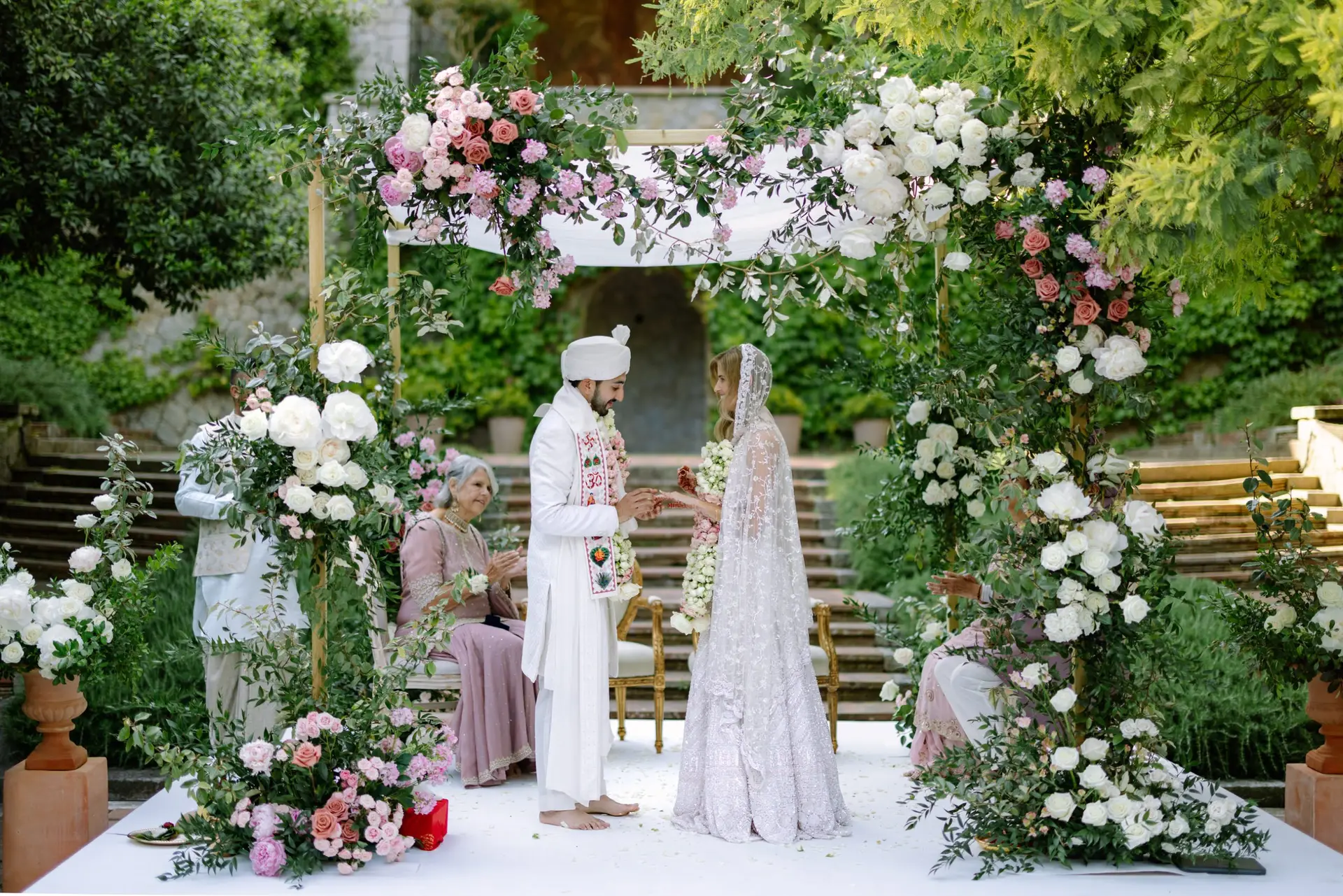
By Alejandro Cebrián · Sunnydays Fotografía
When the wedding finishes, the photography isn't finished. You've lived through a whole day, and your photographer has recorded far more images than you'll eventually see in your gallery. Turning that material into a coherent story takes selection, careful color and exposure work, sequencing, and a final check that every delivered file is ready to enjoy.
I think it's useful for couples to know what happens at this stage because the words “editing” and “retouching” are often used as if they mean the same thing. They don't. And understanding the difference makes it much easier to compare photographers, delivery promises, and what is actually included in a collection.
First, the photographer selects the photographs
A wedding produces sequences: someone walking toward the ceremony, a friend laughing during a speech, a couple embracing on the dance floor. The camera may record multiple frames of each moment because expressions and movements change quickly. Editing begins by choosing the images that best communicate what happened, not by applying a filter to every file.
I look for emotional meaning, visual quality, and variety. Sometimes one frame has the perfect composition but a closed eye; another, taken a fraction of a second later, has the expression that matters. A good selection process considers the whole sequence, then removes repetitions that would make a gallery tiring to explore.
This is one reason I recommend looking at complete wedding galleries when choosing a photographer. The skill isn't simply making ten spectacular images. It's deciding which hundreds of photographs work together, so you can follow the day without being buried under near-identical versions of the same scene.
Color and exposure are part of the storytelling
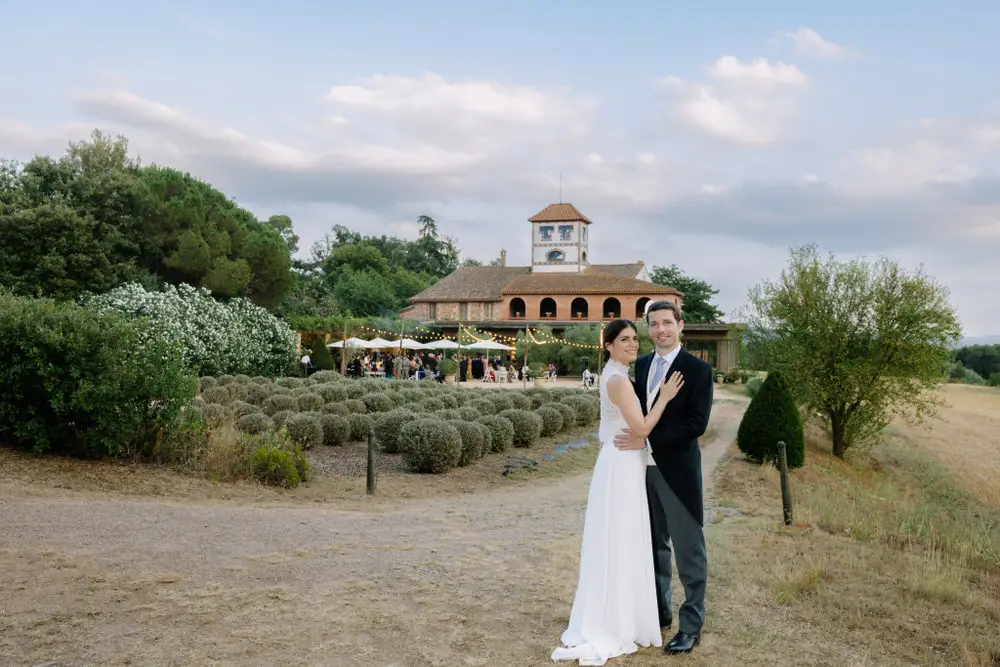
Light changes constantly over a wedding day. A bright bedroom, a shaded ceremony, a warm interior, and a dance floor with colored lights all place different demands on the camera. During editing, I adjust exposure, contrast, white balance, and color so each image feels balanced and the gallery has a recognizable visual language.
RAW files provide flexibility for these adjustments because they retain more of the camera's original recorded information than a finished JPEG. They still have limits: completely lost detail or serious motion blur cannot simply be restored by sliding a control. I aim to photograph well in the first place, then use editing to refine and connect the images.
I have my own approach to color, including a preference for gentle tones and natural skin. But I don't think every photograph should be pushed toward exactly the same temperature. A sunset should feel warm and a candlelit room should still look like a candlelit room. Consistency means the images belong together, not that they all look as though they were taken under identical lighting.
Why skin tones need particular care
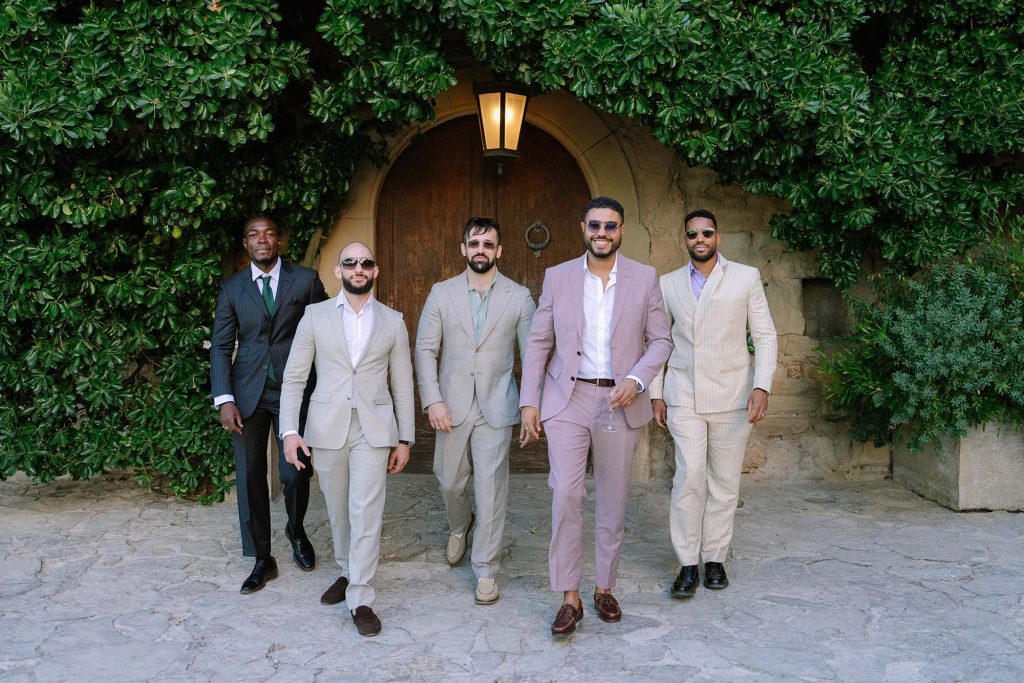
The color of light affects people differently, especially in mixed lighting. A face close to a window might be lit with cool daylight while a nearby lamp adds orange or yellow. Strong colored lighting at a reception can create green, magenta, or blue casts that are part of the atmosphere but can look unflattering on skin.
Good editing balances those competing demands. I want people to look like themselves while keeping enough of the real environment to remember the moment. Removing every warm or colored cast would make the pictures sterile; leaving an unpleasant cast on a face because it was “authentic” doesn't always serve the photograph either.
Editing is not the same as retouching
Color correction, exposure, crop, and tonal adjustments are normal parts of wedding photo editing. Retouching usually means altering specific details within an image: removing a small distraction, correcting a temporary blemish, or changing an element of the background. That is a separate task, with different time requirements and sometimes different ethical considerations.
It is worth asking a photographer exactly what their editing includes. One person's “fully edited” means a consistent color grade and careful review; someone else may include extensive skin or background manipulation. Neither description tells you much until you see examples and understand the boundaries.
My preference is that people recognize themselves. I'd rather choose flattering light and genuine expressions when taking the photograph than change someone's face afterward. If you have a specific retouching request, it's best to raise it before assuming it's part of normal editing.
What happens to black-and-white images?
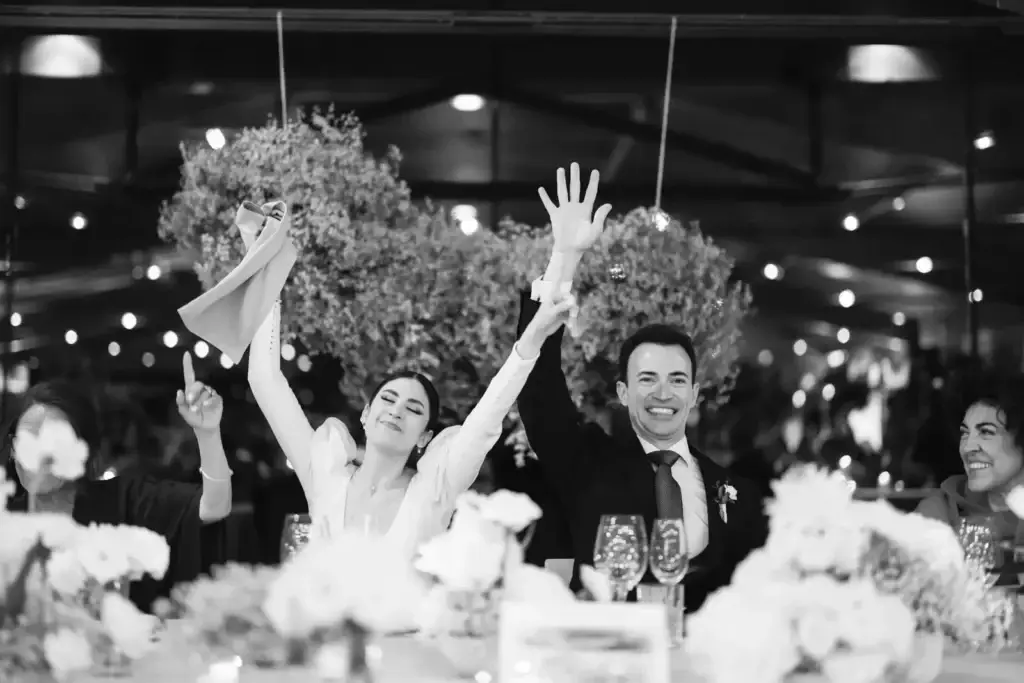
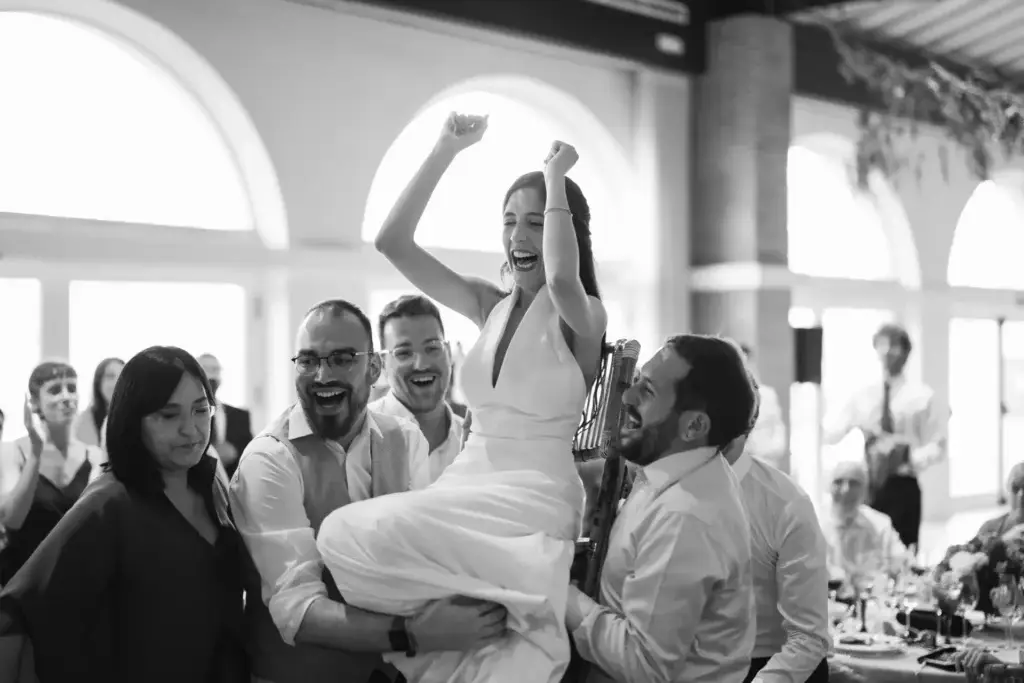
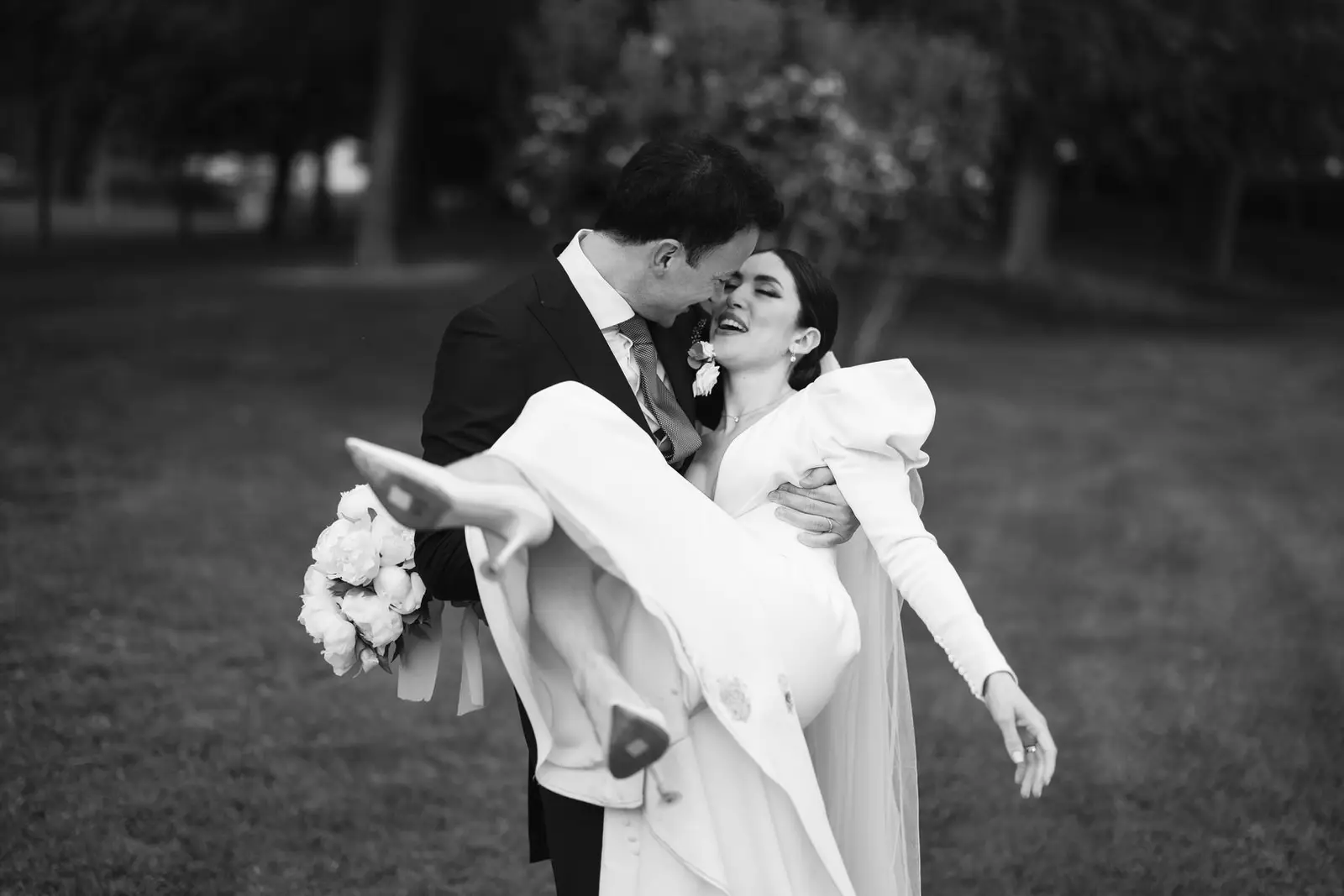
A black-and-white photograph is not always a color image with its saturation removed. Contrast, tonal separation, and the brightness of different colors can all need individual attention. A scene with bright flowers and colorful dresses may become visually quieter in monochrome; another image may lose precisely the color that made the moment memorable.
Whether a photographer delivers a selected mix or offers versions of the same images in both treatments is a service decision, not a universal industry rule. You should know what your own collection includes. I encourage couples to look at both approaches in full galleries rather than judge from a handful of portfolio images.
Sequencing makes a gallery feel like a wedding
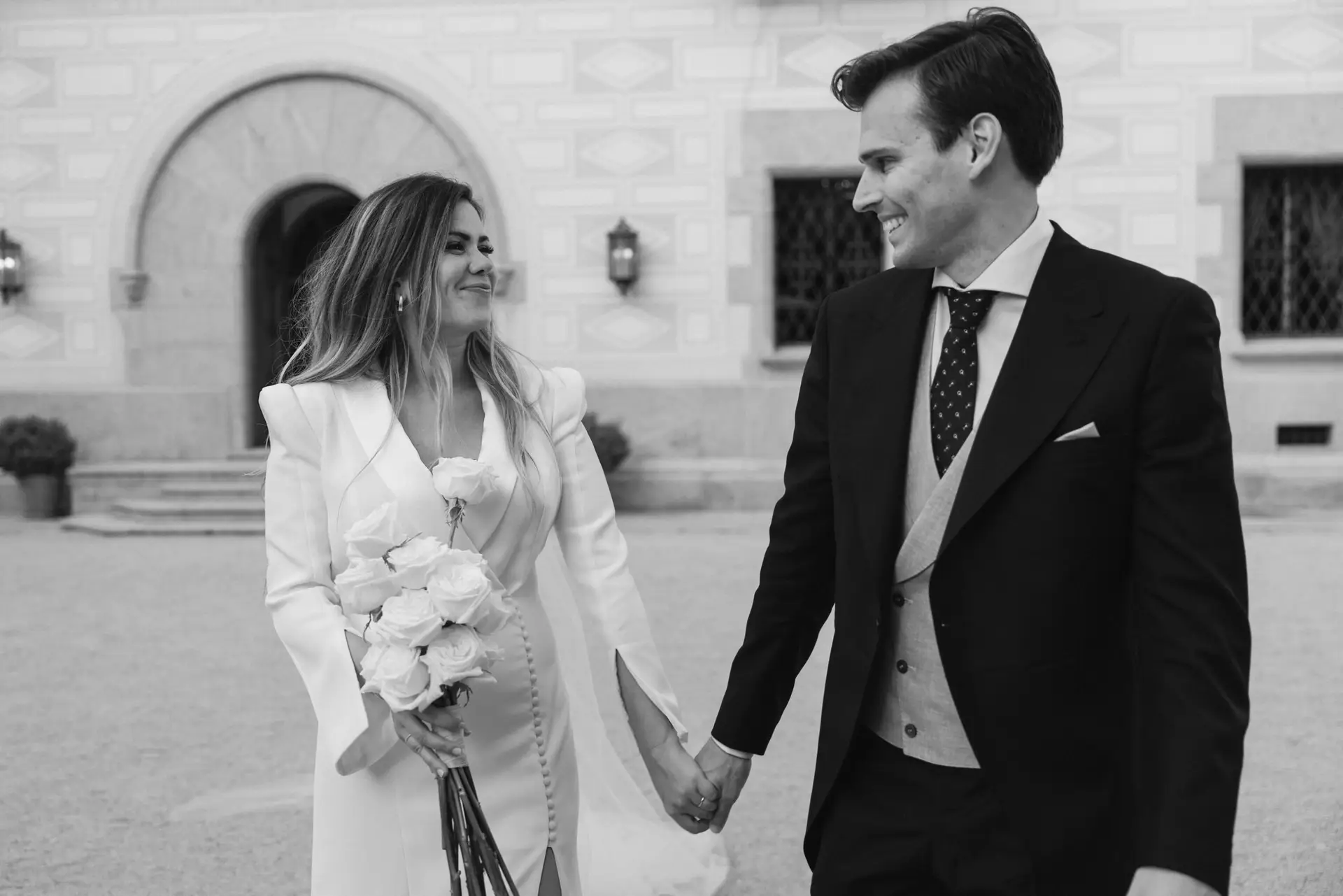
After selecting and adjusting individual images, I think about the way the gallery reads. Preparations establish the people and setting; the ceremony carries its own emotion; the reception gradually becomes more lively. I want those transitions to make sense without arranging every photograph into an artificial storyline.
There's room for variety within that structure. A quiet image may sit beautifully after a series of laughter-filled photographs. A wide frame can establish a place before a close-up reveals a detail. Thoughtful sequencing helps you rediscover the day, rather than scroll through a large pile of unrelated photographs.
Final checks before delivery
Before a gallery is sent, the photographer should review the selected files for consistency, obvious export problems, and missed duplicates. It is also worth checking whether horizontal and vertical photographs display well in the delivery system and whether the download settings match the promised formats. These details may sound mundane, but they affect the way you'll use your wedding photographs for years.
My approach is to treat each delivered image as part of a finished piece of work. The exact number of photographs and the delivery deadline depend on the collection and contract. More files don't automatically mean a better result, and a faster turnaround isn't valuable if quality control disappears along the way.
Can you ask for a different editing style afterward?
It's always better to discuss style before booking. Every photographer has a way of interpreting color, contrast, and atmosphere, and that interpretation is part of the work you're hiring them to do. Asking someone known for warm, soft color to transform an entire wedding into dark, heavily desaturated images after delivery is closer to commissioning a second creative direction.
If one photograph has an obvious issue, a reasonable correction request is very different from changing the look of the whole gallery. Review the agreement for what revisions are included. Looking at full galleries before signing is still the easiest way to avoid disappointment.
Frequently asked questions
Do photographers edit every image they deliver?
They should explain their process clearly. In my work, selected photographs receive individual attention within a consistent overall aesthetic, although the adjustments required vary from image to image. That doesn't mean every delivered photograph undergoes extensive retouching.
Is a preset the same as editing?
No. A preset can provide a starting point for color or contrast, but it doesn't understand every lighting situation or expression in a wedding. A good photographer reviews the results and adapts them where needed.
Can editing save a badly photographed moment?
Sometimes it can improve exposure or color considerably. It cannot reliably recreate a missed expression, a person out of focus, or a scene with no usable recorded detail. Good editing starts with attentive photography.
What I hope you notice in your finished gallery
Ideally, you won't spend your first evening looking at the gallery wondering how each photograph was edited. You'll notice people you love, expressions you missed, the light in a familiar place, and moments that passed too quickly on the day. If you'd like to understand how I approach that finished story, I'd be happy to show you a complete gallery rather than just a selection of highlights.
Once the editing is complete, an online wedding photo gallery brings that selection together for viewing, sharing and downloading.
You can also explore more wedding photography advice.
To see whether my approach fits your wedding, explore my photography portfolio and tell me about your date and venue.