By Alejandro Cebrián · Sunnydays Fotografía
When people search for wedding photo poses, I think they're often asking a more honest question: what are we supposed to do when the photographer points a camera at us? It's easy to feel awkward if someone simply says “be natural” while two people stand frozen in front of a lens. A little direction can help enormously, provided it leaves you room to be yourselves.
I like photographs that feel spontaneous but still pay attention to composition, light, and the way people fit into a frame. That doesn't mean I refuse to give directions. It means the direction is usually small, easy to understand, and connected to something you might actually do together.
Before the poses, choose good light and a comfortable place
An ordinary action can look beautiful in flattering light. The same action can look awkward if you're squinting into midday sun or standing in the middle of a crowded path. Before thinking about where your hands should go, I look for a spot where you can comfortably relax and where the background makes sense.
I also pay attention to the time of day and what is happening around us. A five-minute portrait break near sunset can feel like a little pause in the wedding. A half-hour session while all your guests are waiting can feel like an obligation. The amount of time matters at least as much as the particular pose.
Eight gentle prompts I actually find useful
Walk together at your own pace
Take each other's hand and walk toward somewhere, rather than back and forth along an imaginary runway. Talk if you feel like talking. I may ask you to slow down slightly so the light or composition works, but the expression should come from being together rather than from watching my camera.
Stand close and look at each other
This sounds almost too simple, and that's why it works. Put your arms where they feel comfortable and focus on your partner rather than on me. If your heads or shoulders are at an awkward angle, I can make a small adjustment without turning the whole moment into a rigid instruction.
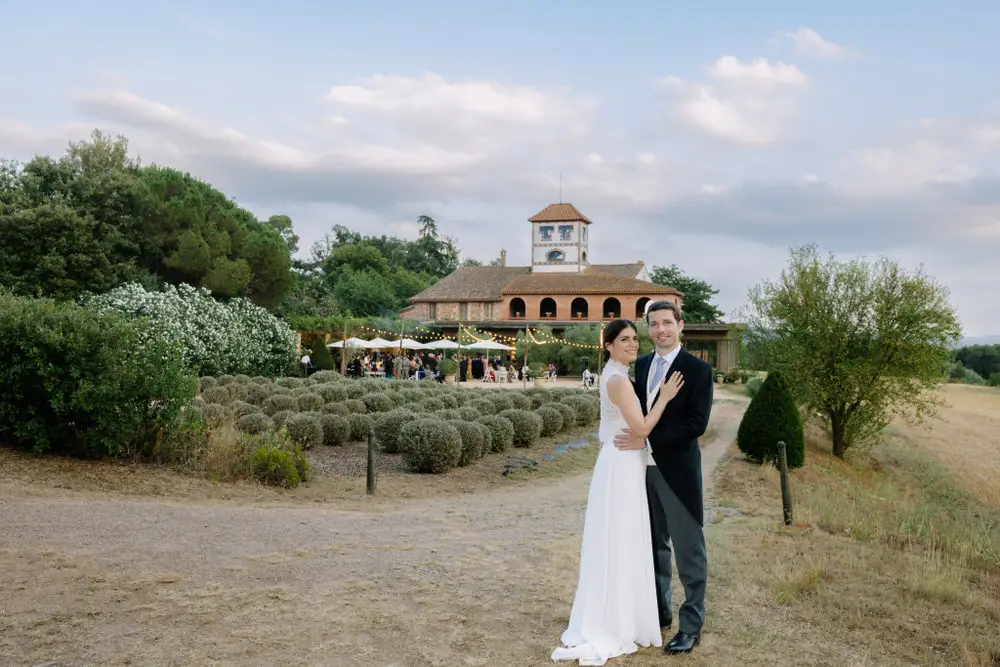
Pause for a quiet hug
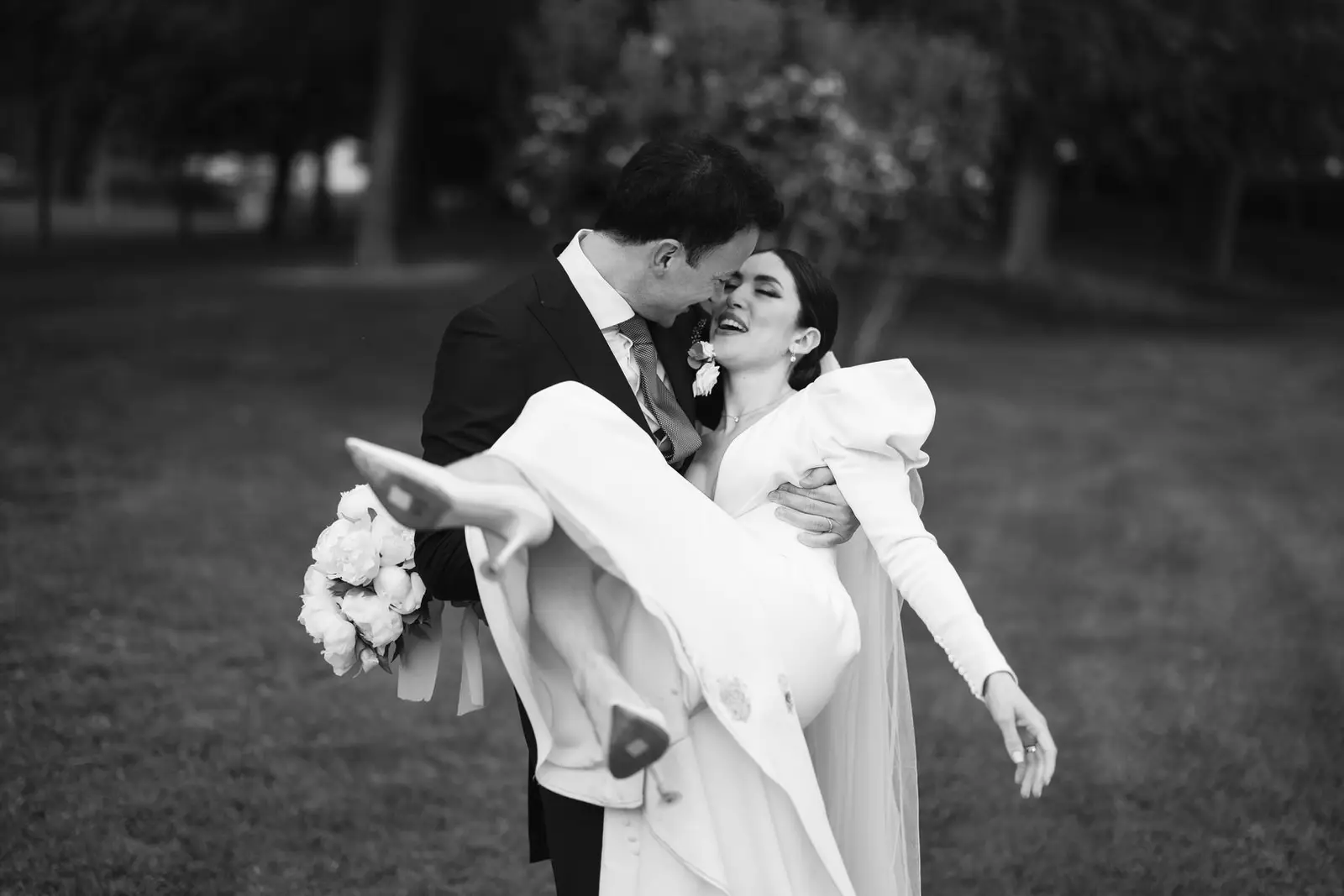
A comfortable embrace can give us a close, personal photograph without a complicated pose. You don't have to close your eyes or pretend to be emotional. Sometimes you laugh halfway through, and that is often the picture I like most.
Look out toward the view together
When the venue has beautiful architecture, a garden, or a landscape, I may ask you to look away from the camera for a moment. It creates space for a wider portrait that includes the setting. I don't need you to hold the pose for long; a brief pause is enough.
Sit somewhere comfortable
A step, a bench, or a terrace can change the energy of a portrait session. Sitting often helps people relax, provided the clothes allow it and the location is practical. I would check the light and background before asking you to sit, rather than choose a spot merely because it looks fashionable.
Turn toward the light for a simple portrait
Sometimes I do want one classic photograph of you looking toward the camera. A small turn can place the light beautifully on your faces, and a slight change in where you're standing can remove a distracting background. We can make that picture quickly and return to more spontaneous interaction.
Move naturally during an affectionate gesture
Perhaps one of you brushes hair away from the other's face, adjusts a jacket, or leans in for a kiss. I don't need to prescribe exactly how long to hold it. The interesting moment is often the little change before or after, when you're thinking about one another instead of whether the pose is correct.
Let the photograph happen between prompts
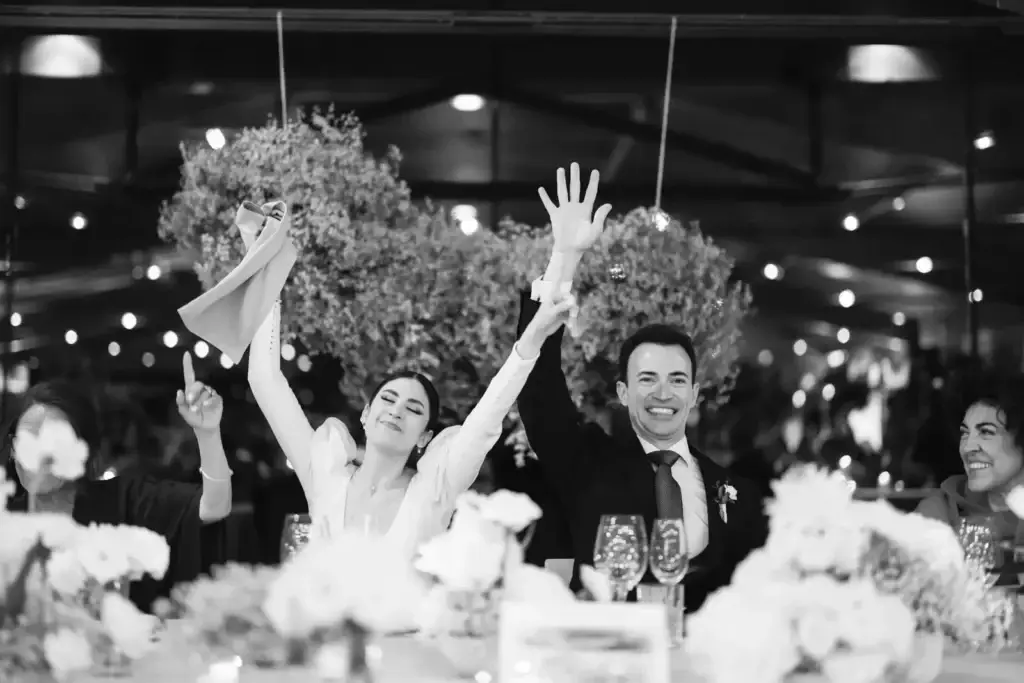
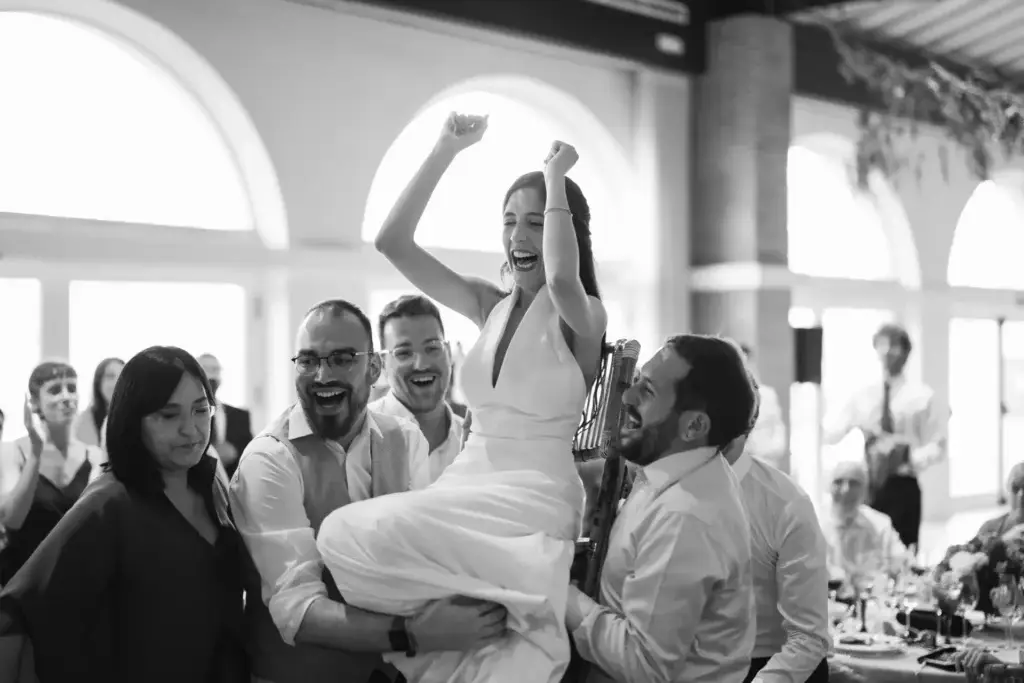
My favorite frame is sometimes taken when the instruction has finished and you both relax. You move your hands, turn toward each other, laugh at something, and forget that the camera is there. That's a good reminder that posing should create an opportunity, not become the entire event.
What to do with your hands
If your hands feel awkward, give them a familiar purpose. Hold your partner's hand, place an arm around their waist or shoulder, touch a jacket lapel, or simply let them rest naturally. There is no universal rule that hands must always be visible or placed in a particular way.
I would avoid telling everyone to copy an identical hand position. People have different proportions, clothing, and ways of showing affection. The best arrangement is one that is comfortable and looks believable in the scene.
The same goes for posture. I'll make small suggestions when a composition needs them, but I don't want you consciously controlling every part of your body. If the portrait feels physically uncomfortable, we should change it.
Editorial portraits without fashion-model pressure
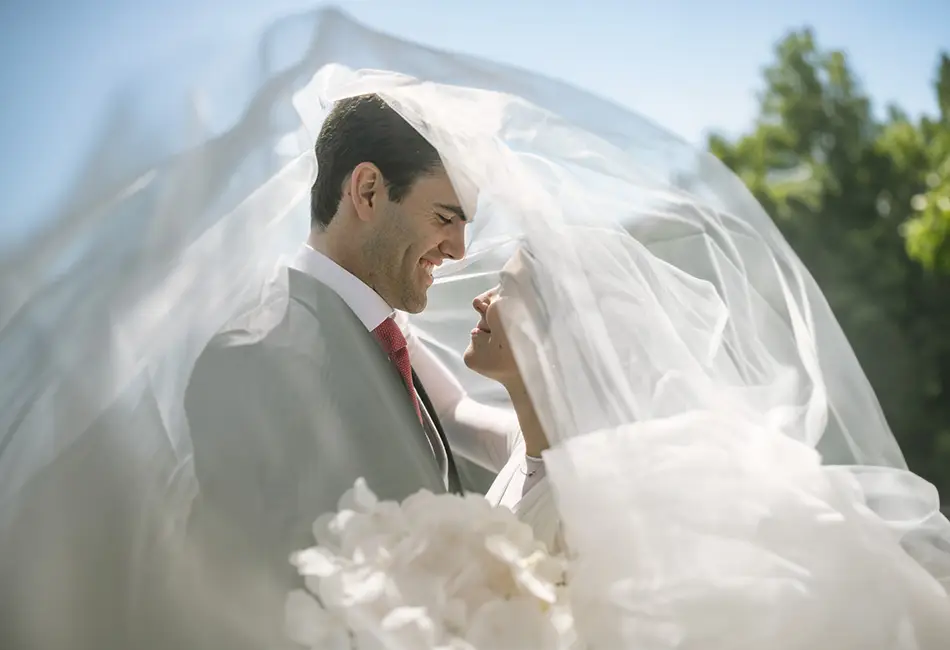
An editorial influence doesn't require dramatic poses. It can come from architecture, light, composition, a clean frame, and a more intentional camera angle. A couple simply standing together in a beautifully balanced scene can create an elegant image without theatrical direction.
Sometimes a bolder fashion-inspired portrait is fun, especially if you love that aesthetic. I would discuss it rather than assume everyone wants it. A few intentional frames can live comfortably beside hundreds of documentary photographs that tell the rest of the day.
Poses for families and wedding parties are different
Organized group pictures need clearer direction because several people have to fit in one frame. Here I'll ask people to move closer, line up in a sensible way, and look toward the camera for a few moments. The goal is to get the image efficiently so everyone can return to the celebration.
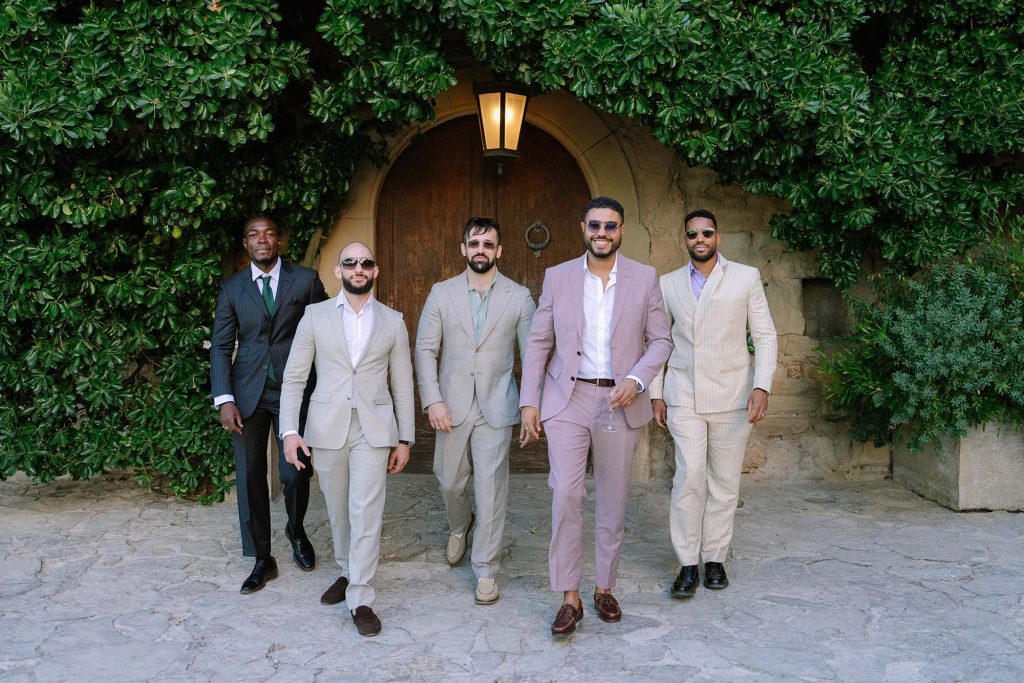
Wedding-party photographs can be more relaxed if the group naturally enjoys being together. I might suggest walking or talking as a group, but I wouldn't force a high-energy performance onto people who don't feel like doing it. The best pose for a group often reflects the group's real personality.
Why Pinterest lists sometimes make portraits worse
Reference photographs can show a mood you like, but copying the exact pose is often a poor fit for the location and people involved. A striking image may depend on a very specific dress, height difference, stairway, or light direction. Trying to reproduce it literally can take longer and feel less natural than creating a new photograph in the conditions you have.
Send a few references if they help explain your taste. Tell the photographer what you like about them, such as the relaxed feeling, soft light, or architectural composition. Then leave room for the photographer to interpret that idea with you.
How many poses should you plan?
None in advance, unless there's one particular portrait you genuinely want. For a wedding day, I would rather reserve a short comfortable portrait window than prepare a list of twenty positions. That leaves us free to work with the weather, your mood, and how much time you actually have.
If you're camera shy, say so. We can rely more on walking and simple interaction. If you enjoy portraits and want something a little more styled, we can make room for that too. The session should respond to you, not to a predetermined checklist.
Frequently asked questions
Should both partners look at the camera?
For some classic portraits, yes; for others, no. There is room for both direct and candid-feeling images in one gallery. I would not make every photograph a variation on the same camera-facing smile.
Can poses make us look slimmer or taller?
Camera angle and light affect how people appear, but I don't think the purpose of a wedding session should be to change your body. My priority is a flattering, comfortable portrayal of who you are. A respectful photographer should listen to preferences without making you feel that you need correcting.
What if we laugh through the session?
Then we'll have photographs of you laughing, which can be wonderful. You don't need to maintain a serious editorial expression to create beautiful images. The best photographs often happen when you stop concentrating on the pose.
My approach to wedding poses
I'll guide you when the light, framing, or situation calls for it, then give you space. You don't need to prepare poses before meeting me. If you like photographs that mix natural emotion with a little editorial care, tell me what you love and we'll build something that actually feels like you.
For the wider planning context, see what natural wedding photography feels like.
If you would like a separate portrait session, explore couple and engagement sessions in Barcelona and we can discuss whether it fits your plans.
You can also explore more wedding photography advice.
To see whether my approach fits your wedding, explore my photography portfolio and tell me about your date and venue.