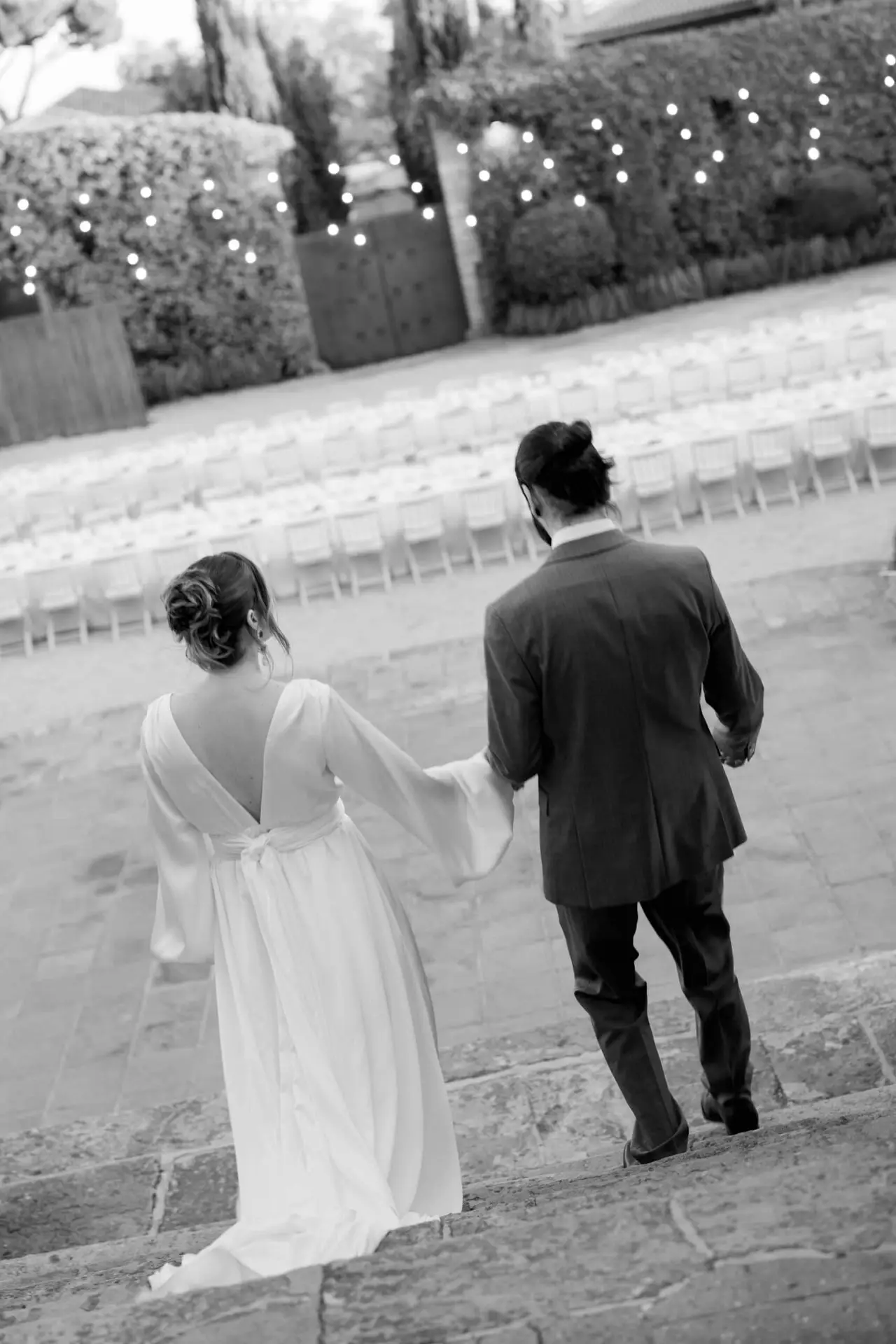
When you receive your wedding photographs, would you prefer to see them in color or black and white? It’s a question that might seem straightforward at first. Most couples have a general idea of the photography style they love. Some are drawn to the elegance of black and white wedding photography, while others prefer the warmth and realism of natural color. But here’s something I’ve learned after more than ten years of photographing weddings: the same photograph can tell two very different stories depending on whether you see it in color or black and white.
That’s why, at Sunnydays, I do something that not every wedding photographer offers: I deliver every selected wedding photograph in both color and black and white. Not just the portraits or a selection of emotional moments. Every photograph that makes it into your finished wedding gallery is available in both versions. The reason is simple: I don’t think you should have to choose between two beautiful interpretations of the same memory. And sometimes, the photograph you love in color today might be the one you prefer in black and white twenty years from now.
Black and white vs. color wedding photography: What’s the difference?
The difference between color and black and white wedding photography goes far beyond aesthetics. Color gives us information. It reminds us of how a place looked, what people were wearing, the flowers you chose, the atmosphere of the venue, and the beautiful light of that particular day. Black and white takes some of that information away, allowing us to become more aware of expressions, gestures, textures, shadows, and the relationships between people.
Neither approach is inherently more artistic or emotional. They simply encourage us to look at a photograph differently, emphasizing certain details while making others less prominent.
One photograph, two different stories
Imagine a photograph of your father seeing you for the first time on your wedding day. In color, you might notice the warm afternoon light, the flowers in the room, the color of his suit, and the surroundings where that moment happened. Now imagine exactly the same photograph in black and white. Suddenly, your attention might go straight to his expression, the way he’s holding his hands, or the emotion in his eyes.
The moment hasn’t changed, but the way you experience it has. This is one of the reasons I love working with both versions. Sometimes color gives a photograph its atmosphere, while black and white makes its emotional content more immediate. And sometimes both are equally beautiful.
Why black and white wedding photography can be so powerful
There’s a reason black and white photography has remained relevant for generations. When it’s done well, it has an extraordinary ability to simplify an image and bring attention to what matters. By removing color, the relationship between light, composition, and emotion becomes more noticeable, often giving photographs a distinctive character.
It places the focus on emotion
Weddings are full of fleeting moments: a nervous smile before the ceremony, a grandmother watching from the front row, two hands holding each other, a tear during the speeches, or a spontaneous hug between friends. These moments don’t necessarily need color to tell their story. Sometimes, removing color allows an expression or a gesture to become the strongest element in the photograph.
I particularly love black and white for those quiet, unplanned moments that can easily go unnoticed during the excitement of a wedding day. Of course, converting a photograph to black and white doesn’t magically make it more emotional. The emotion was already there; what black and white can do is help us notice it.
It reduces distracting colors
A wedding is a real event, not a perfectly controlled photography studio. There are people moving around, jackets hanging on chairs, emergency signs, waiters walking through the background, colorful decorations, and all kinds of unexpected visual elements. Sometimes those elements help tell the story, while other times they can distract from the people or moment that really matters.
Converting a photograph to black and white can simplify a visually complicated scene and give it a more balanced appearance. Imagine a beautiful candid moment between two guests, but there’s a bright red object in the background drawing your eye away from them. In black and white, that color distraction disappears, although the object’s shape and brightness can still remain visible. The photograph may suddenly feel calmer and more focused.
There’s an important distinction, though: black and white can improve the way we read a strong photograph, but it cannot transform a badly timed or poorly composed photograph into a good one.
It works beautifully with light and shadow
Light is one of the most important elements in photography, regardless of whether the final image is in color or black and white. But when color disappears, the relationship between light and shadow becomes even more noticeable. A bride standing beside a window, a silhouette during the ceremony, a couple walking through a patch of sunlight, or a guest’s face emerging from a dark background can all create particularly beautiful black and white photographs.
Strong contrasts, interesting shapes, and subtle variations in light often become more expressive when color is removed. This is also why black and white isn’t something I only think about during editing. Sometimes I can already imagine a photograph in monochrome while I’m taking it, and that influences how I compose the image.
It can simplify complicated wedding lighting
Wedding receptions often bring together several different sources of light: warm decorative bulbs, candles, colorful DJ lighting, daylight coming through the windows, and occasionally flash photography. When all those light sources mix together, the results can be visually complex. Sometimes I love that complexity because colorful lights and reflections can communicate the energy of a wedding party in a way that black and white simply cannot.
In other photographs, however, the different colors become more distracting than interesting. Black and white can help simplify those situations and make movement, expressions, and gestures stand out. I see it as a creative option rather than a shortcut for correcting technical problems, because the underlying photograph still needs to work.
Why color wedding photography matters just as much
I love black and white photography, but I would never want to document an entire wedding without color. Color is an essential part of how we remember experiences, and weddings are filled with carefully chosen details that deserve to be preserved. Think about how many decisions go into the visual appearance of a wedding: the flowers, table decorations, bridesmaids’ dresses, stationery, lighting, and venue itself. Those details are part of your story, and sometimes their colors are exactly what makes a photograph special.
Color brings back the atmosphere of your wedding
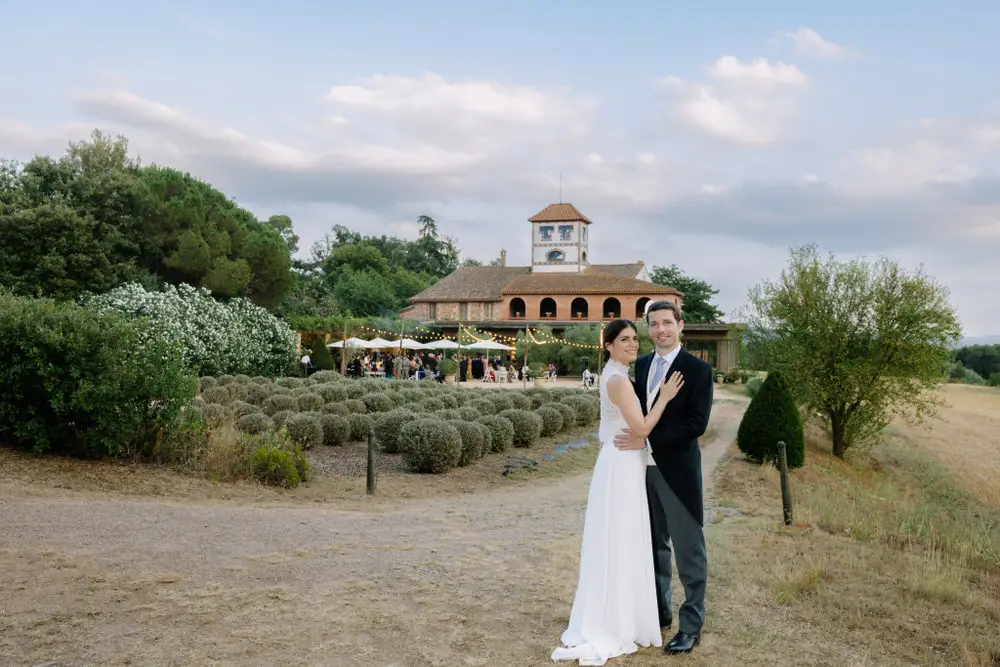
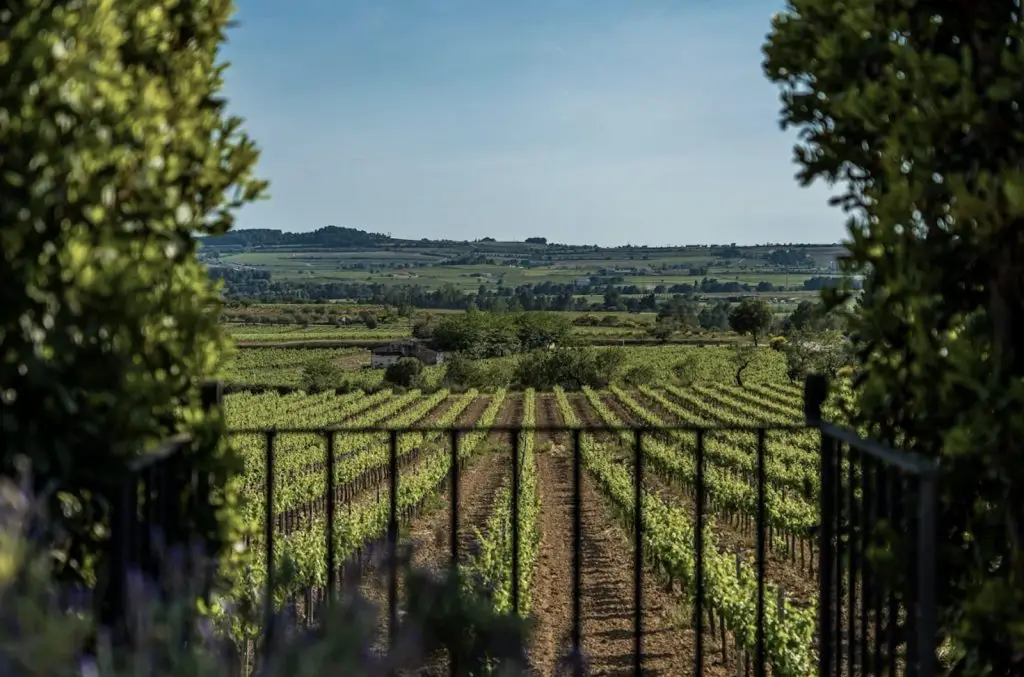
Imagine getting married at a beautiful Mediterranean venue. The warm stone of a traditional Catalan country estate, the greenery of the gardens, the blue of the sea in the distance, and the golden evening sunlight all create a very particular atmosphere. A wedding in Barcelona doesn’t look exactly like a wedding on the Costa Brava or in the countryside near Girona. The surroundings, architecture, vegetation, and quality of light all contribute to a sense of place.
Color preserves much of that information, allowing the photographs to communicate the atmosphere of the location. Years later, those images can transport you back to how the day actually looked and felt. In these situations, color isn’t simply decoration; it’s an essential part of the story.
It preserves the details you’ve carefully chosen
You’ve probably spent months making decisions about your wedding. You may have carefully selected a particular floral color palette, spent hours finding the perfect dress, or chosen a venue because you fell in love with its surroundings. Wedding flowers, table arrangements, fabrics, food, decorations, and clothing can all benefit enormously from color photography because these are the details where your chosen palette really matters.
Black and white can still produce beautiful images of these elements, but removing color may also remove information that’s important to the memory. If you’ve spent months choosing the perfect flowers, it makes sense to have photographs that preserve their actual colors.
Natural color can be timeless too
There’s a common idea that black and white photographs are automatically more timeless than color photographs. I don’t entirely agree. A beautiful color photograph with natural skin tones, balanced contrast, and realistic colors can look just as relevant decades from now. The problem isn’t color itself, but editing trends that can make photographs look dated.
Very orange skin tones, exaggerated greens, excessive desaturation, or extreme color grading may be fashionable for a few years but don’t necessarily age well. My preference is for natural, carefully edited colors that preserve the atmosphere of the day without making the photographs look artificial. Timeless wedding photography isn’t simply about choosing black and white. It’s about creating images that will still feel beautiful and meaningful many years from now.
Which wedding moments look best in black and white?
There are no universal rules, but certain moments naturally lend themselves to black and white photography. In my experience, these are some of the situations where monochrome images can be particularly effective.
Getting ready
The preparations often produce beautiful, intimate photographs. A parent helping with a dress, a quiet moment before leaving for the ceremony, someone fastening cufflinks, or a nervous smile in the mirror can all become meaningful memories. Black and white can be particularly effective when the light is soft and the attention is on gestures and expressions, giving these photographs a quiet, personal quality that works beautifully without color.
The wedding ceremony
Ceremonies are full of meaningful moments that happen very quickly. The exchange of vows, the first glance, a parent’s reaction, guests becoming emotional, or hands holding tightly together can all make powerful photographs. Removing color can sometimes emphasize the significance of these small gestures, allowing the people and their emotions to take center stage.
Emotional speeches
Wedding speeches often produce some of the most expressive photographs of the entire day. Laughter, tears, surprised reactions, and spontaneous hugs can happen within just a few seconds. Black and white can simplify the background and make those emotions more visually prominent while creating a beautiful sense of continuity between photographs taken from different perspectives.
Candid guest photographs
Some of my favorite wedding photographs aren’t carefully planned portraits. They’re spontaneous moments involving family and friends: someone laughing uncontrollably, children playing, two friends embracing, or grandparents enjoying the celebration. Black and white often works beautifully for these photographs because the story is about people rather than decoration, and a simple, honest moment can become particularly powerful when all your attention goes to the interaction between the subjects.
The dance floor
Black and white can be fantastic for energetic dance-floor photography. Movement, silhouettes, flash, gestures, and dramatic contrasts can create photographs with a very distinctive character. That said, colorful DJ lighting can be wonderful too, and sometimes the atmosphere depends on those bright colors and reflections. This is exactly why I prefer having both versions available.
Which wedding moments look best in color?
Other parts of the wedding often rely heavily on color to communicate their atmosphere. While black and white versions can still be beautiful, these are some of the situations where color photography has a particular advantage.
Venue and landscape photographs
Whether you’re getting married in an elegant Barcelona hotel, a countryside estate, or a coastal venue overlooking the Mediterranean, color helps preserve the character of the location. The architecture, vegetation, natural surroundings, and changing light throughout the day are all part of the story. These photographs often become even more meaningful years later, when you look back and remember the place where everything happened.
Flowers and wedding details
The floral arrangements, table decorations, wedding stationery, and carefully selected accessories are often best appreciated in color. These are the details where your chosen palette really matters. A photograph of your bouquet might look elegant in black and white, but the color version preserves the precise combination of flowers you chose. Both can be beautiful, but they communicate different things.
Golden hour portraits
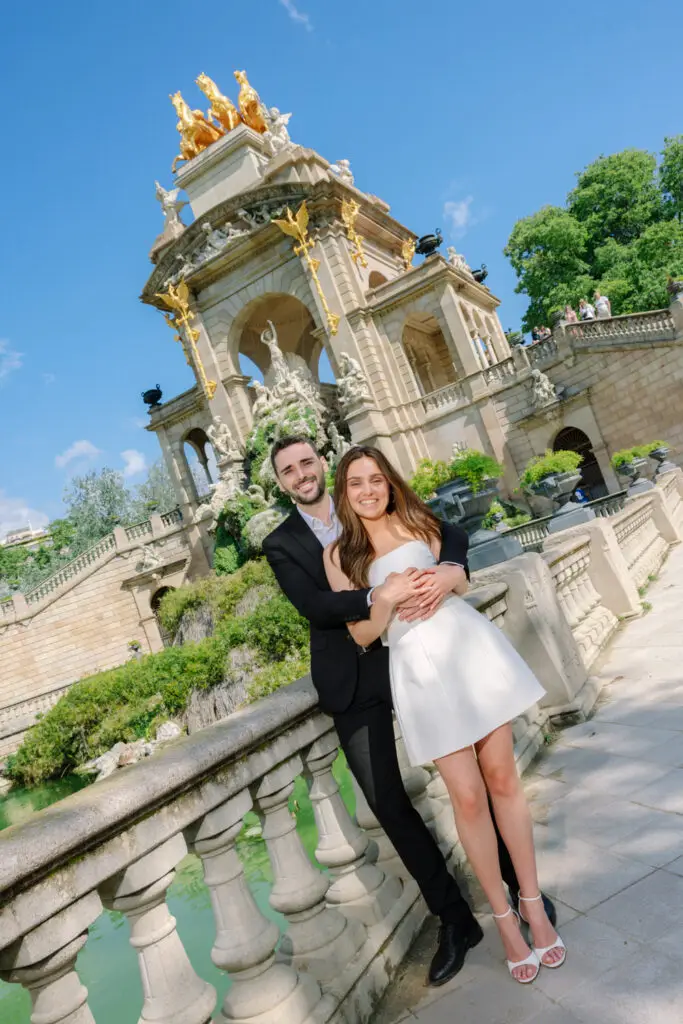
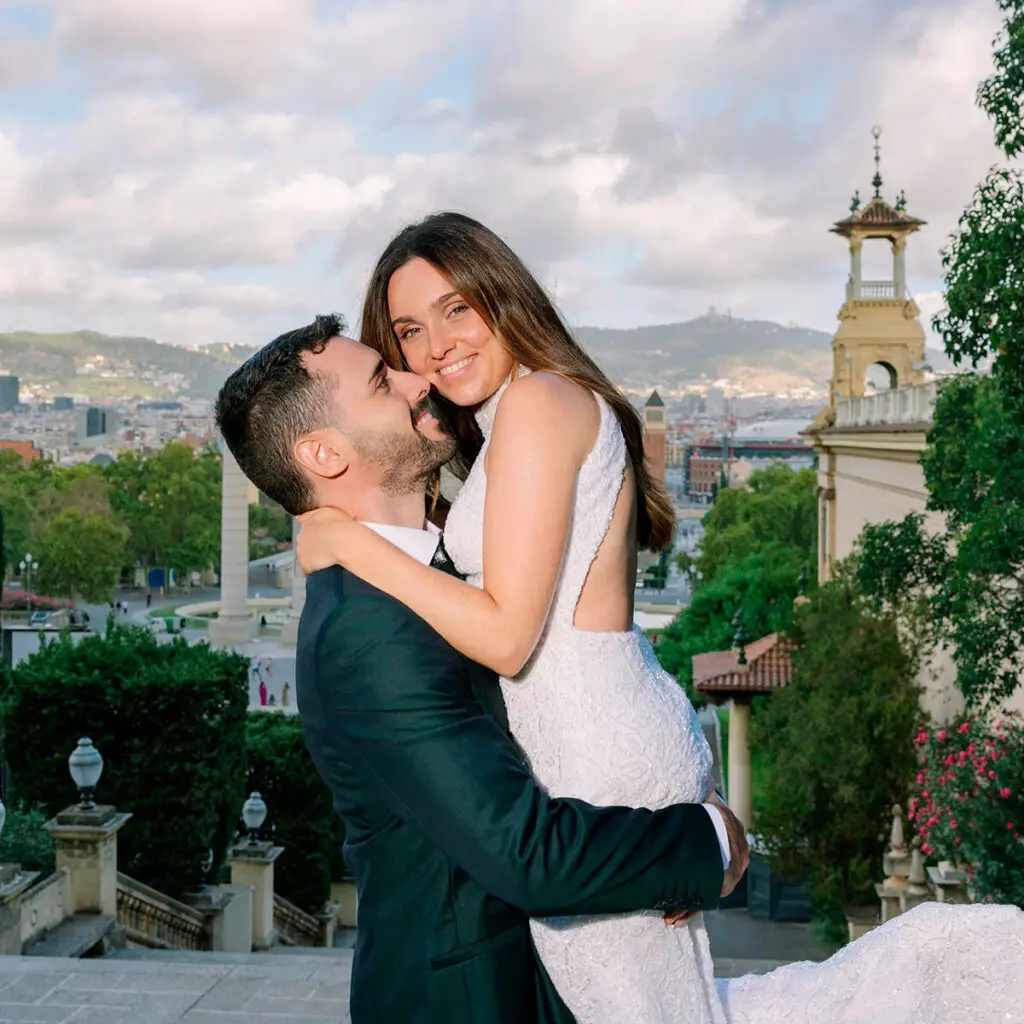
The final hour before sunset can produce some of the most beautiful natural light of the day. Soft, warm light can give wedding portraits a particularly romantic atmosphere, especially at outdoor venues. Black and white photographs taken at golden hour can be stunning, but color allows us to appreciate those warm tones and the relationship between the couple and their surroundings.
Outdoor ceremonies and receptions
An outdoor ceremony beneath olive trees, a cocktail reception in a Mediterranean garden, or a candlelit dinner under the stars can all benefit from color photography. Color helps communicate the environment and creates a stronger sense of being there. The warmth of the lighting, the colors of the landscape, and the atmosphere of the venue become part of the memory.
Wedding party photographs
Sometimes the lights, reflections, and colors of the party are exactly what make the scene interesting. A colorful dance floor can look spectacular in color, especially when those lights are an essential part of the atmosphere. In these situations, removing color might actually take something away from the photograph rather than improve it.
Why I deliver every wedding photograph in both color and black and white
Many wedding photographers make the creative decision themselves. They choose which photographs work best in color and which ones should be delivered in black and white. There’s absolutely nothing wrong with that approach, and it can produce a beautifully consistent gallery. But after photographing hundreds of weddings, I’ve developed a different preference: I want you to have the freedom to choose.
A photograph I love in black and white might be one you prefer in color. Perhaps I love the expression, contrast, and simplicity of the monochrome version, but perhaps you love the color version because you remember the exact shade of your mother’s dress or the warm afternoon light coming through the window. Neither preference is wrong, and I don’t think my personal artistic decision should prevent you from enjoying the alternative.
Your preferences may change over time
There’s something else I’ve noticed about photographs. The images we love immediately after an event aren’t necessarily the same ones that become most meaningful years later. You might choose a color photograph for your wedding album today and prefer the black and white version when you frame it at home ten years from now, or the opposite.
By having both versions from the beginning, that decision remains yours. You don’t need to contact your photographer years later to ask whether an alternative edit still exists, because both finished versions are already part of your wedding gallery.
Does that mean you receive twice as many wedding photographs?
Not exactly, and I think it’s important to explain the difference. Imagine I deliver a wedding gallery containing 700 selected photographs. Because each photograph is available in color and black and white, you’ll receive approximately 1,400 finished image files, but that doesn’t mean there are 1,400 different photographs.
There are 700 unique images, each available in two professionally edited versions. I prefer to be transparent about that distinction because a larger file count doesn’t necessarily mean more moments have been documented. When comparing wedding photography packages, the number of files isn’t necessarily the most meaningful measure of quality. What matters more is whether the photographer has captured the complete story of your wedding, including the moments, people, and details that make it unique.
Good black and white wedding photography is more than applying a filter
One of the biggest misconceptions about black and white photography is that it’s simply the color photograph with the saturation turned down. Technically, you can create a monochrome image that way, but creating a beautiful black and white photograph requires more thought. Contrast, brightness, texture, highlights, shadows, and the relationships between different tones all influence the final result.
Two colors that look completely different in the original photograph can become very similar shades of gray when converted to black and white, and that can change the way we understand the image. Skin tones need attention, highlights should retain detail where appropriate, and shadows need to support the composition rather than simply becoming dark areas.
I also believe consistency matters. When you’re looking through hundreds of wedding photographs, you should feel that they all belong to the same visual story. I don’t want one monochrome image to look extremely flat, the next to have excessively dark shadows, and another to resemble a completely different photographic style. The editing should feel coherent without making every photograph look identical.
Color photographs deserve the same attention
Natural color photography also requires careful editing. Skin tones should remain believable, white dresses should preserve their detail, and greenery shouldn’t suddenly become unnaturally bright. A wedding day might begin in soft morning light, continue beneath the strong Mediterranean afternoon sun, and end in a warmly lit reception room.
Making those different lighting conditions feel consistent across the gallery requires careful work. My aim is always to create photographs that feel natural, elegant, and authentic to the day, rather than images designed around the latest editing trend.
How to combine color and black and white photographs in your wedding album
One of the biggest advantages of receiving both versions becomes apparent when you start selecting images for your wedding album. You don’t have to decide whether the entire book should be in color or black and white. In fact, combining the two can create a more interesting visual narrative, allowing different moments and emotions to have their own character.
Create a natural rhythm
Imagine opening your wedding album with a series of black and white photographs showing the preparations: quiet moments, anticipation, small gestures, and expressions. Then, as the ceremony begins, you introduce a few color photographs that reveal the venue, flowers, and surroundings. Later, you return to black and white for an emotional speech before moving back into color for the warmth and energy of the celebration.
This creates rhythm and contrast, allowing the different photographic treatments to complement one another. The change between color and monochrome can also help mark different moments and emotions throughout the day without making the album feel repetitive.
Don’t alternate randomly
The fact that you have two versions of every photograph doesn’t mean you should switch between them on every page. An album works best when it has a sense of visual continuity. Sometimes a series of black and white images works beautifully together, while other times one monochrome portrait can act as a powerful visual pause within a sequence of color photographs. The important thing is to think about the story rather than choosing treatments at random.
Think about the photographs you’ll print
The best version for your wedding album might not be the best one for a large framed print. Black and white photographs can look particularly elegant in minimalist interiors, while color photographs may be more appropriate when the landscape or atmosphere is an important part of the image. Having both versions gives you the flexibility to decide later.
Should you ask your wedding photographer for both versions?
If you’re looking for a wedding photographer, it’s worth asking how they approach color and black and white. Not every photographer delivers both versions of every image. Some provide mostly color photographs with a carefully selected number in black and white, while others make an individual creative decision for each photograph. And some, like me, offer both versions as standard.
None of these approaches is automatically better than the others. What matters is understanding what you’ll receive and whether it matches your expectations. You might want to ask whether both versions are included, whether they’re professionally edited, and whether you’ll be able to download them in high resolution.
I’d also recommend looking through a complete wedding gallery rather than judging a photographer only by their favorite images on Instagram. A full gallery shows how they handle different lighting conditions, emotional moments, details, portraits, and the less predictable parts of a wedding day. It’s a much better way to understand their style and consistency.
Frequently asked questions about color and black and white wedding photos
Are black and white wedding photos more timeless than color photos?
Not necessarily. Black and white photography can have a timeless quality, but natural, carefully edited color photographs can age just as beautifully. Strong composition, genuine emotion, and thoughtful editing matter much more than whether an image contains color.
Do all wedding photographers deliver both versions?
No. Every photographer has their own editing and delivery approach. Some select individual photographs for black and white conversion, while others deliver both versions of the complete selection. At Sunnydays, every selected wedding photograph is delivered in color and black and white as standard.
Are black and white wedding photos better for emotional moments?
They can be, but not always. Black and white can draw attention to expressions and gestures by removing distracting colors. However, the emotion comes from the moment itself, and a beautiful color photograph can be just as powerful.
Why do some wedding photographers prefer black and white?
Some photographers love the simplicity, contrast, and focus on emotion that black and white can provide. Others appreciate its classic appearance or the way it emphasizes light, texture, and composition. Ultimately, it’s a creative choice rather than a guarantee of better photography.
Can you turn a color wedding photo into black and white later?
Yes, technically most digital color photographs can be converted to black and white. However, a professional conversion involves more than simply removing saturation. Adjustments to contrast, brightness, and tonal relationships can make a significant difference to the final result.
Is black and white photography better for low-light weddings?
Not necessarily. Black and white can simplify distracting colors caused by mixed lighting, but it doesn’t improve the underlying technical quality of a photograph. Good exposure, thoughtful composition, and an understanding of available light remain essential.
Should wedding portraits be in color or black and white?
Both can work beautifully. Color portraits can preserve skin tones, clothing, flowers, and the atmosphere of the location. Black and white portraits can emphasize expressions, shapes, and the connection between people. Having both versions allows you to choose the one you prefer.
Can we mix color and black and white photographs in our wedding album?
Absolutely. Combining both can create a beautiful visual rhythm, especially when the transitions feel intentional. Rather than alternating randomly, I recommend grouping photographs according to the atmosphere, emotions, and story of each part of the day.
Will we receive twice as many photographs if both versions are included?
You’ll receive two finished versions of each selected photograph, but that doesn’t mean twice as many unique images. For example, a selection of 700 photographs delivered in both color and black and white represents 700 unique moments and approximately 1,400 finished files.
Can we simply use one version if we prefer it?
Of course. Receiving both versions doesn’t mean you’re expected to use both. Some couples may choose mostly color photographs for their album, while others prefer a more monochromatic approach. The advantage is that the choice remains yours.
My approach to timeless wedding photography
After more than ten years photographing weddings, I don’t believe every emotional photograph needs to be black and white, just as I don’t believe every beautiful sunset needs to stay in color. Sometimes color carries the memory, sometimes removing it makes the emotion easier to see, and sometimes both versions are equally strong for completely different reasons.
For me, the most important thing is creating photographs that feel honest and meaningful. Images that capture not only how your wedding looked, but also the people, emotions, and little moments that made it yours. That’s why I deliver every selected wedding photograph in both color and black and white, not to make the gallery appear larger or because one treatment is more artistic than the other, but simply because I want you to have both ways of remembering the same moment.
Your wedding photographs will probably outlive the trends, the flowers, and the device on which you first viewed them. I want those images to remain just as meaningful many years from now.
Looking for a wedding photographer in Barcelona or Spain?
I’m Alejandro Cebrián, the photographer behind Sunnydays. I’ve been photographing weddings for more than ten years, working with couples from Spain and around the world who choose Barcelona, the Costa Brava, and other beautiful destinations in Spain to celebrate their wedding.
My approach combines natural, documentary-style photography with an editorial eye for beautiful light, composition, and detail. I love spontaneous moments, genuine emotions, and photographs that allow you to remember your wedding as it really happened, without spending the entire day posing for the camera.
If you’re planning your wedding and would like to see more of my work, I’d love for you to explore my portfolio. You’ll find a selection of weddings, portraits, and moments that reflect the way I see and photograph these celebrations.
Explore my wedding photography portfolio
And if you like what you see, feel free to get in touch. Tell me about your wedding plans, where you’re getting married, and what you’re looking for in a photographer. I’d be happy to hear your story and check my availability for your date.