By Alejandro Cebrián · Sunnydays Fotografía
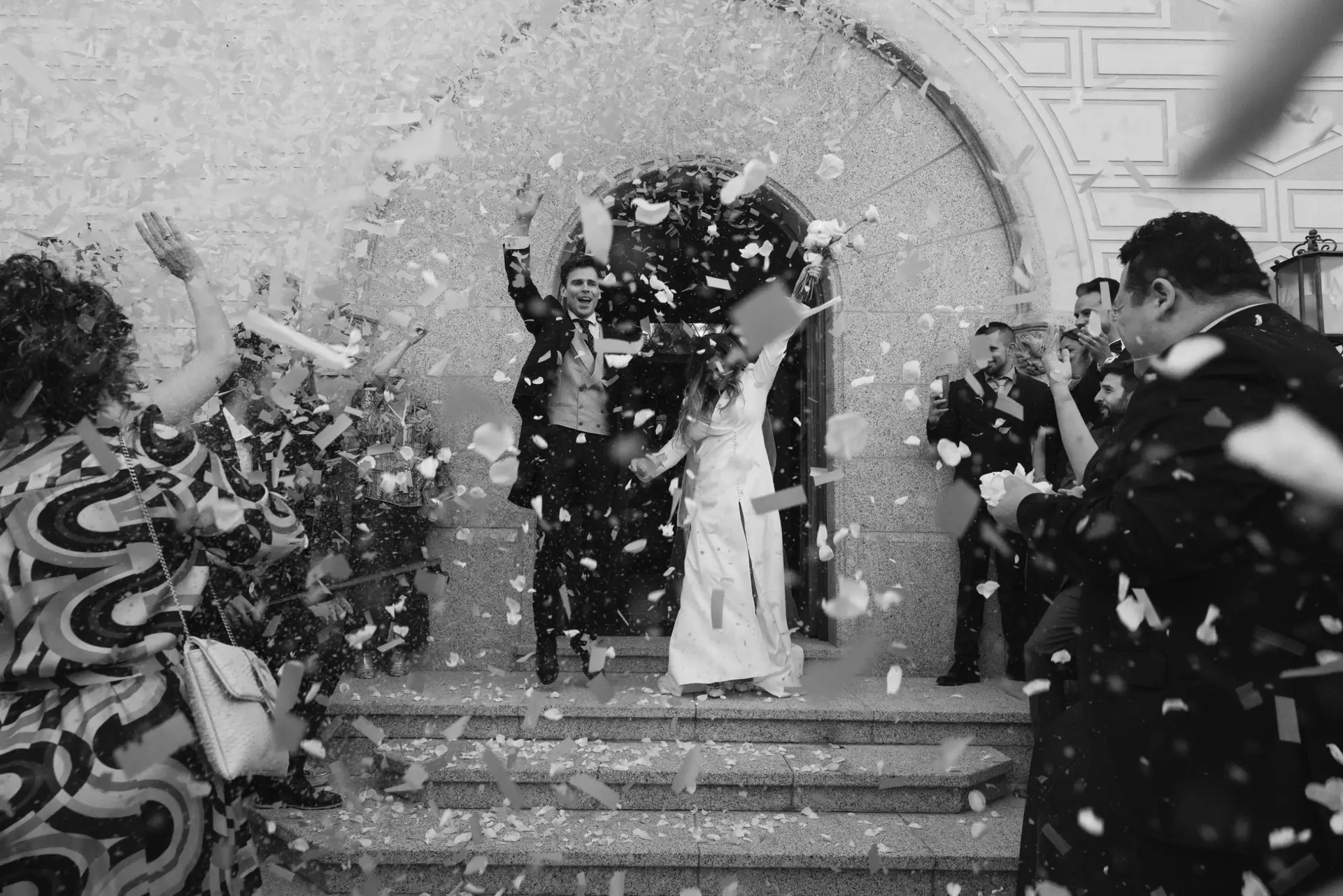
If you love photographs where people seem completely unaware of the camera, you’ve probably come across the term documentary wedding photography. It sounds simple: the photographer watches the day unfold and captures what happens. But good documentary work involves much more than standing at the edge of a room and waiting for something interesting to occur.
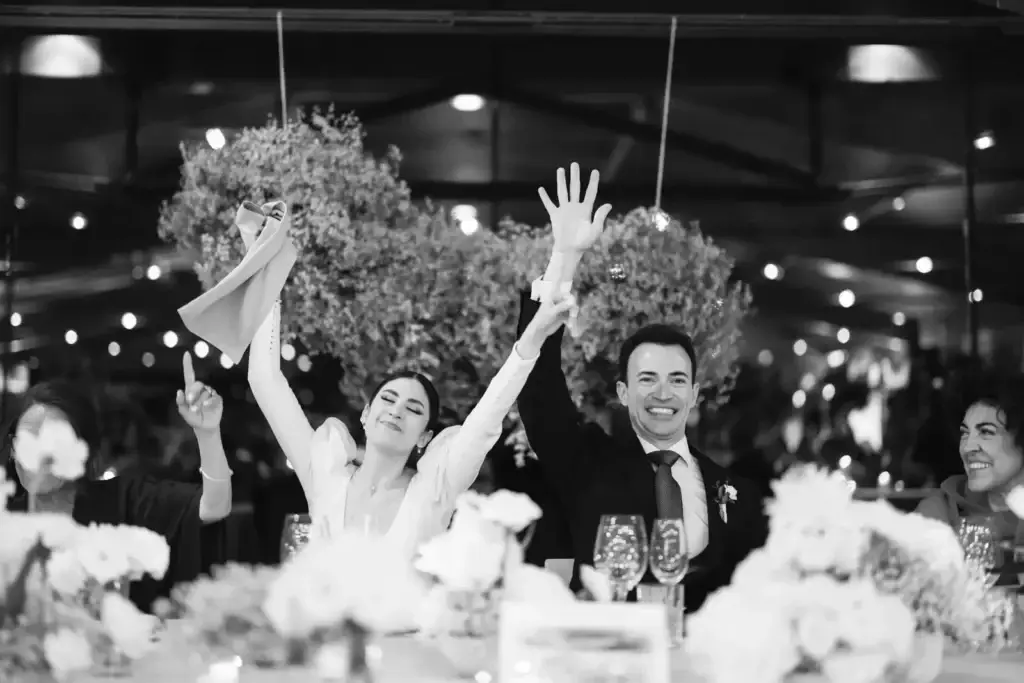
After photographing more than 300 weddings, I’ve come to appreciate how much observation and anticipation matter. The best spontaneous photographs often last only a second. You can’t ask people to repeat them without changing what made them special in the first place. That’s why a documentary approach is so valuable for the parts of a wedding that are built around real interactions.
Documentary is an approach, not an editing preset
Documentary describes how the photographer works with events. They observe, choose their position, anticipate gestures and reactions, and avoid directing the moment. The resulting pictures may be colorful, understated, high contrast, or black and white. Those visual choices don’t determine whether the photograph is documentary.
Imagine a parent watching their child walk into the ceremony. A photographer may notice the parent’s expression changing, move quietly into position, and make a photograph just before the emotion passes. There’s thought behind that frame—light, background, timing, distance—but no instruction to the person being photographed.
That distinction matters. Documentary doesn’t mean photographing randomly or refusing to make decisions. It means the photographer makes decisions without turning every meaningful moment into a performance. For the wider comparison, see wedding photography styles explained.
Documentary versus candid and natural photography
A candid image is generally unposed. Documentary work uses candid moments to tell a broader story, connecting the atmosphere, relationships, and sequence of the day. Natural photography is a more flexible term that often means people look relaxed rather than stiff; it can include a little direction during portraits.
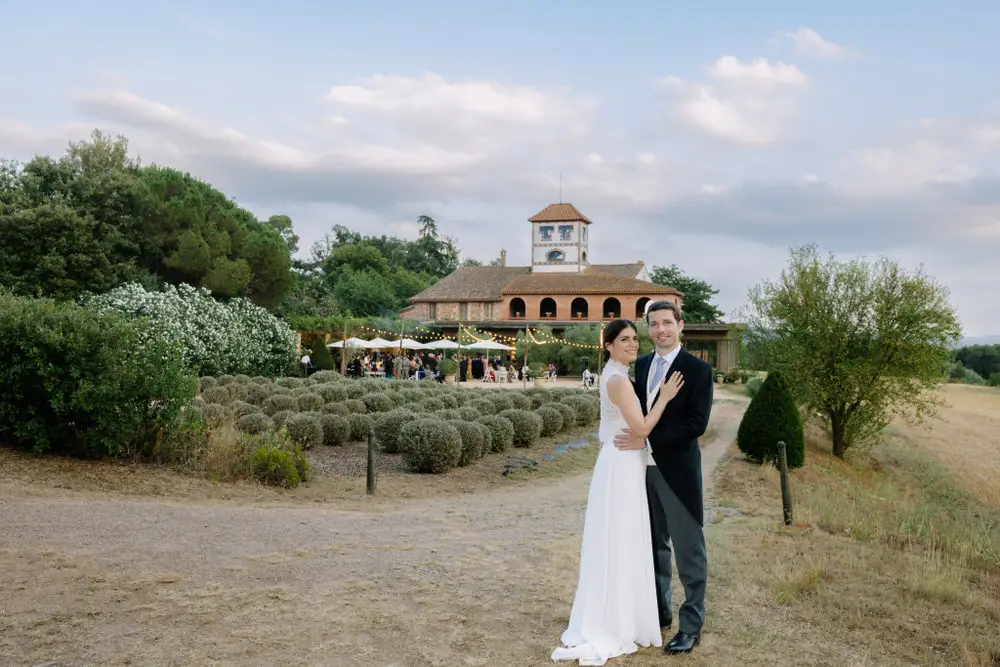
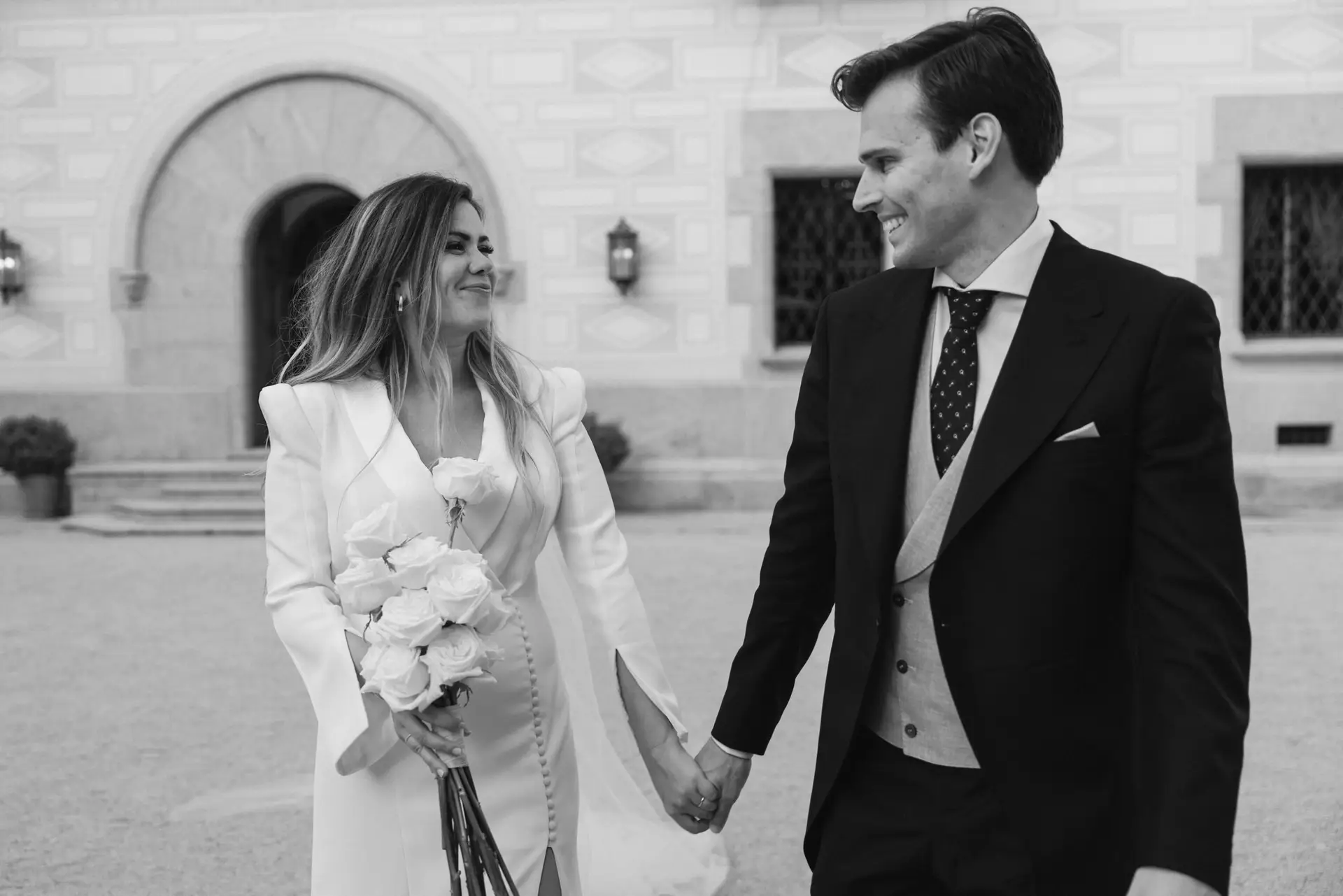
For example, asking a couple to stand in flattering window light and talk to each other might create a natural-looking portrait, but it’s not strictly an unobserved documentary moment. That doesn’t make it less valuable. Weddings contain different photographic needs, and trying to force every situation into one definition can become counterproductive.
Where documentary wedding photography is strongest
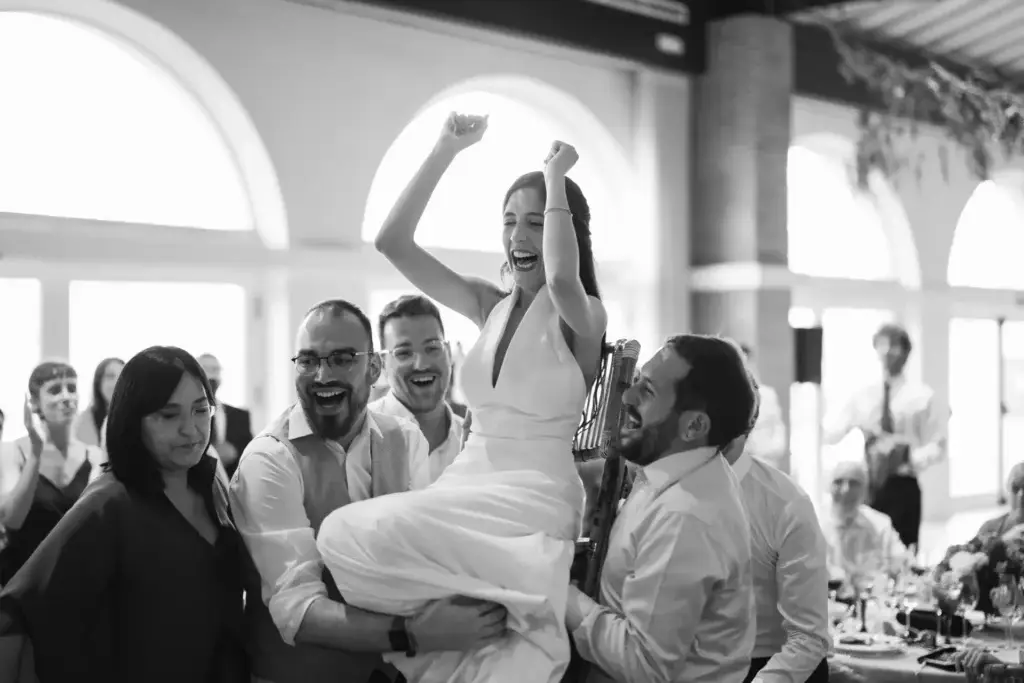
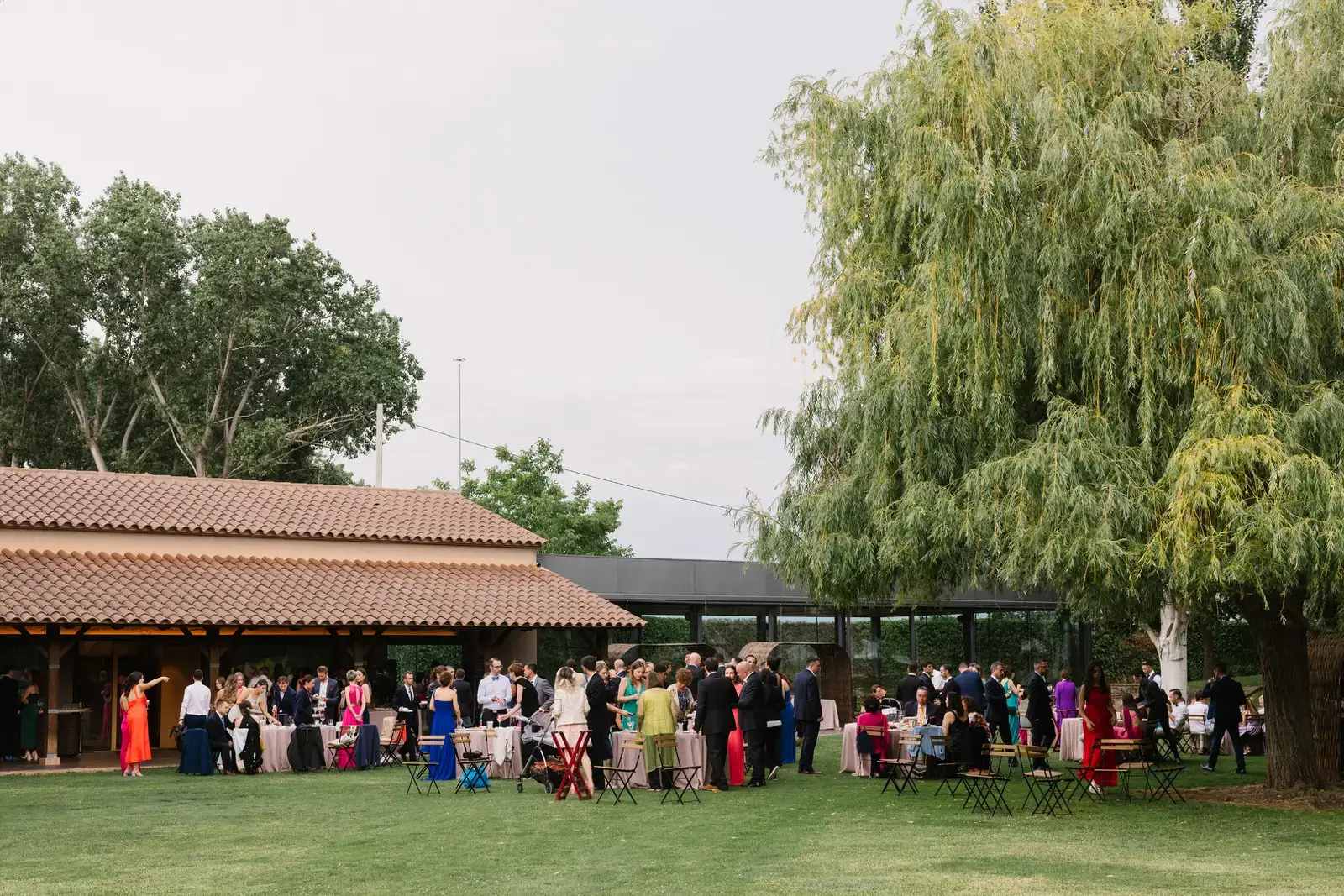
The getting-ready hours are full of gestures that tell us about relationships: someone fixing a collar, a friend checking a dress, a quiet exchange before leaving. During a ceremony, expressions and small movements are often more powerful than anything a photographer could arrange. Cocktail hour, speeches, and dancing are similarly rich with spontaneous interactions.
Documentary photographs also help record the atmosphere of a place. A wide frame can show how guests fill a courtyard or how a family gathers around a dinner table. A close frame can reveal a hand, a glance, or a fleeting smile. Together, these photographs create a sense of being there rather than simply looking at an attractive event.
I think this becomes more important over time. Some photographs may initially seem like small details, but years later they can bring back how people moved, laughed, and interacted. That’s difficult to achieve if every image was carefully staged.
Why I don’t insist on pure non-intervention all day
There are times when a little help is useful and welcome. Formal family photographs require organization. Couple portraits may benefit from simple direction, especially if you’re not used to being photographed. If the light is unflattering or a background is distracting, a small adjustment can make a stronger image without changing the experience dramatically.
I like combining the two: documentary attention during the moments that belong to you and your guests, and an editorial eye when we’re making portraits. What I don’t want is to interrupt a genuine emotional exchange just to move everyone into a more photogenic spot. The experience and the photograph should support each other.
Even documentary photographers sometimes need to communicate. Venue restrictions, safety, and courtesy take priority over an ideal angle. A ceremony may prohibit movement or flash, and a photographer needs to respect that while still creating an honest record of what happens.
How to recognize strong documentary work
Look at a complete wedding gallery and ask whether you can understand the day from beginning to end. Are the guests present as real people, not just blurred shapes behind the couple? Do you see moments before and after the headline events? Does the photographer capture relationships without always relying on tears or exaggerated expressions?
Timing matters, but so does composition. A photograph with a beautiful emotion can be weakened by a distracting background or an important face hidden behind another person. A documentary photographer cannot control everything, but experience helps them choose a position that gives the moment space to be seen.
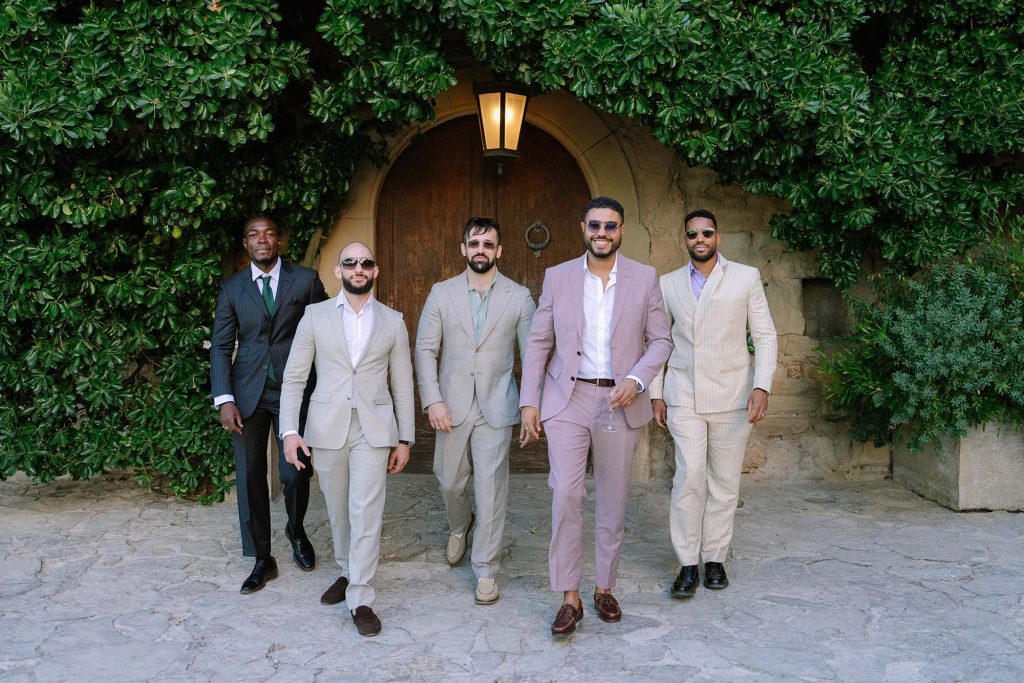
Beware of portfolios where every supposed candid image looks identical: the same staged walk, repeated laugh, or carefully arranged embrace. Those photographs can be lovely, but they don’t necessarily demonstrate an ability to tell the unpredictable story of a wedding.
Is documentary wedding photography right for you?
If your priority is remembering how the celebration felt, the interactions between people, and the moments you might otherwise miss, a documentary approach is likely to appeal to you. It’s particularly useful if you don’t want to spend the day following a detailed photo shot list or repeating moments for the camera.
But it’s still worth discussing the portraits you want. You may love candid images and also want a few polished couple photographs, a family group with your grandparents, or a beautiful picture of the venue before guests arrive. Those wishes don’t contradict documentary values. They simply make the final gallery more complete.
Ask how the photographer balances observation with direction. Their answer—and the evidence in their full galleries—will tell you more than a style label.
How can couples help the photographer capture real moments?
The most useful thing you can do is give yourselves room to enjoy the day. Build a schedule with some breathing space, avoid assigning a photograph to every five-minute interval, and tell your photographer which relationships or traditions matter to you. You don’t need to act naturally on command. If you’re comfortable with your photographer, the real moments will have space to happen.
I also recommend resisting the temptation to copy a long list of images from Pinterest. Inspiration can help explain a visual preference, but recreating someone else’s wedding moment is rarely as meaningful as noticing what happens at your own celebration.
Candid moments within a documentary wedding story
A candid photograph records an interaction that was not directed for the camera. Documentary coverage connects those moments with context and sequence: where you are, who is involved and what happened around them. For most couples evaluating a photographer, the useful test is one complete wedding showing both qualities. There is little value in choosing between two labels when the work and the experience are essentially the same.
Frequently asked questions
Does documentary photography mean no posing at all?
Not necessarily. Some photographers work almost entirely without direction; others combine documentary coverage with gently directed portraits and organized family groups. Ask about the specific working method.
Is documentary wedding photography the same as photojournalism?
The terms overlap in their emphasis on observing real events. In wedding marketing they’re often used somewhat loosely, so examine full galleries and behavior rather than relying on a label.
Can documentary photographs also look editorial?
Yes. A spontaneous frame can have strong, deliberate composition and beautiful light. Editorial usually describes a visual language or amount of direction, while documentary describes how a moment is observed.
Preserve the moments you cannot repeat
For me, the great value of documentary wedding photography is that it preserves the parts of the day you cannot reproduce. The joy of seeing everyone together, the nerves before the ceremony, the expressions during speeches, and the unexpected laughter are already meaningful. They don’t need to be manufactured.
My work combines that natural storytelling with considered composition and a little guidance when it’s helpful. If that’s the balance you’re looking for, have a look through my wedding stories and see whether they feel like memories you’d want for yourselves.
For practical advice on feeling comfortable in front of the camera, see what natural wedding photography feels like.
You can also explore more wedding photography advice.
To see whether my approach fits your wedding, explore my photography portfolio and tell me about your date and venue.