By Alejandro Cebrián · Sunnydays Fotografía
Documentary, editorial, fine art, candid, traditional, film, light and airy—the wedding world has no shortage of labels. If you’re trying to choose a photographer, you might wonder whether you’re supposed to pick one before you even start looking. I don’t think you are. After photographing more than 300 weddings, my view is that the most useful question isn’t what someone calls their style, but how they photograph people and what the finished images actually look like.
There are two things worth separating. One is the photographer’s approach: do they observe, direct, organize, or combine all three? The other is the visual treatment: color, contrast, composition, light, grain, and editing. A photographer may use a documentary approach during the ceremony and a more editorial one during the couple portraits, while keeping a consistent color style throughout the gallery.
Documentary wedding photography
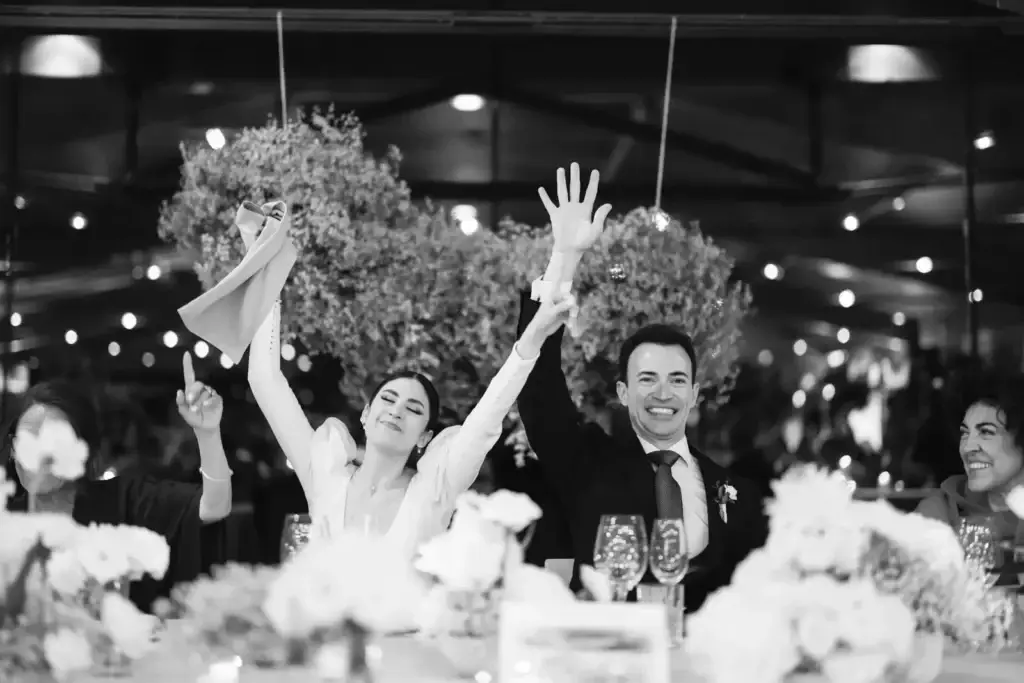
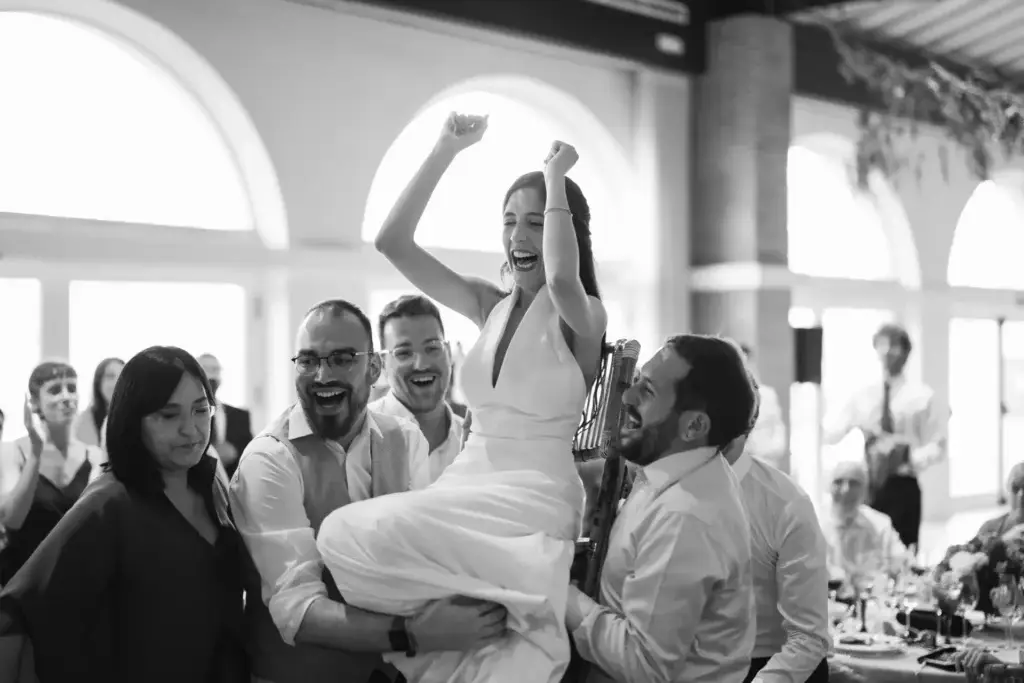
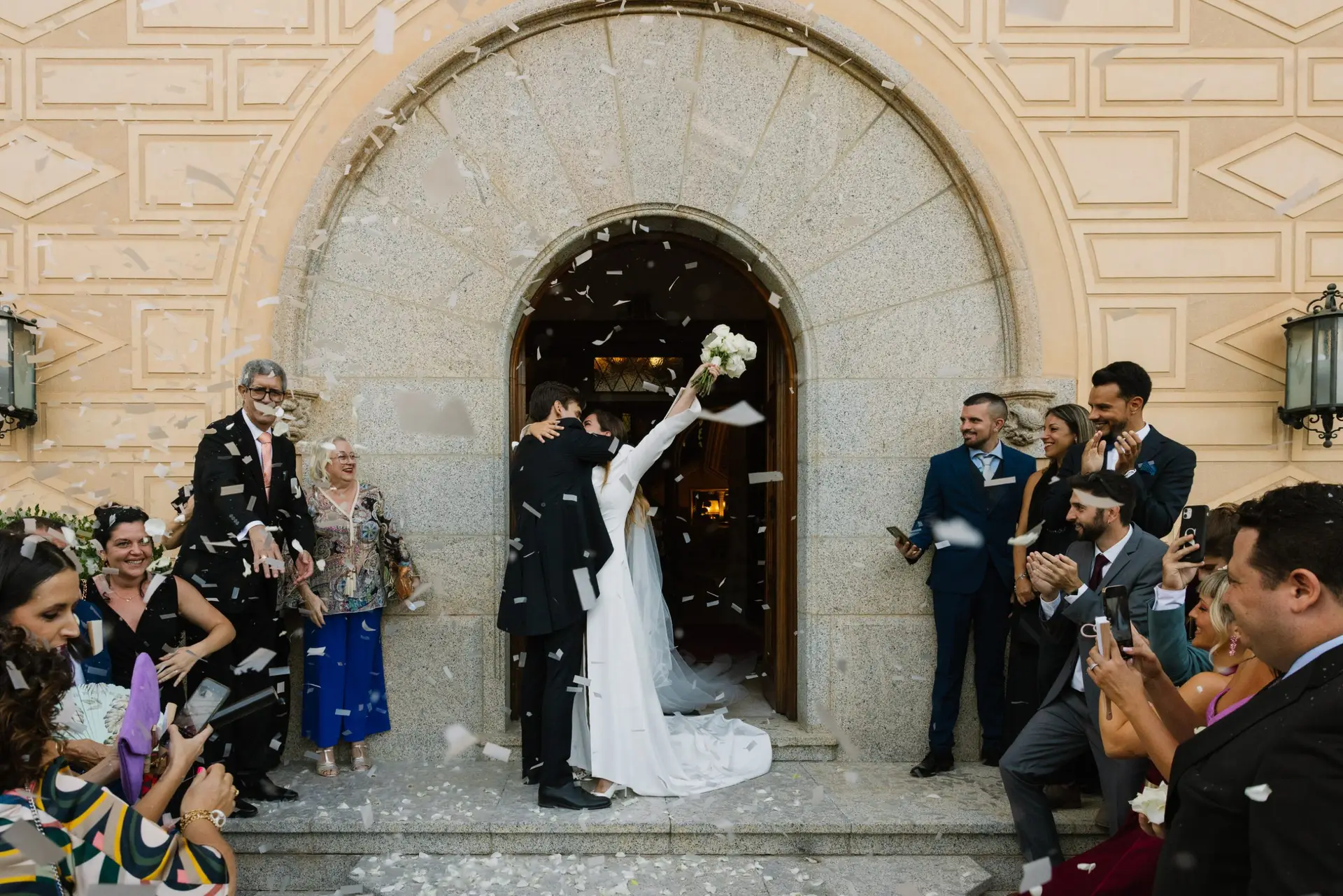
Documentary photography is built on observation. The photographer anticipates what might happen, finds a useful position, and lets events unfold without interrupting them. Think of a quiet glance between parents, children playing during cocktails, a nervous hand before the ceremony, or a spontaneous reaction during a speech. The point isn’t just that people aren’t looking at the camera; it’s that the photograph communicates something truthful about the moment.
Documentary doesn’t mean being passive. Knowing where to stand, what to include in the frame, and how to react quickly requires considerable attention. Nor does it mean the whole wedding must be photographed without any help from the photographer. Most couples still appreciate guidance for family groups and portraits.
Candid and natural photography
The words candid and documentary overlap, but they’re not exactly the same. A candid photograph is generally an unposed moment. Documentary is a broader way of telling the day’s story, including how separate moments connect. Natural photography is less precisely defined: it often describes photographs in which people look relaxed and recognizable rather than heavily posed.
I love natural images, but it’s possible for a photograph to feel natural even if the photographer offered a little direction. Asking a couple to move toward better light or walk slowly together doesn’t have to turn the moment into a performance. The result depends on how the photographer approaches people, not on whether a single instruction was given.
Editorial wedding photography
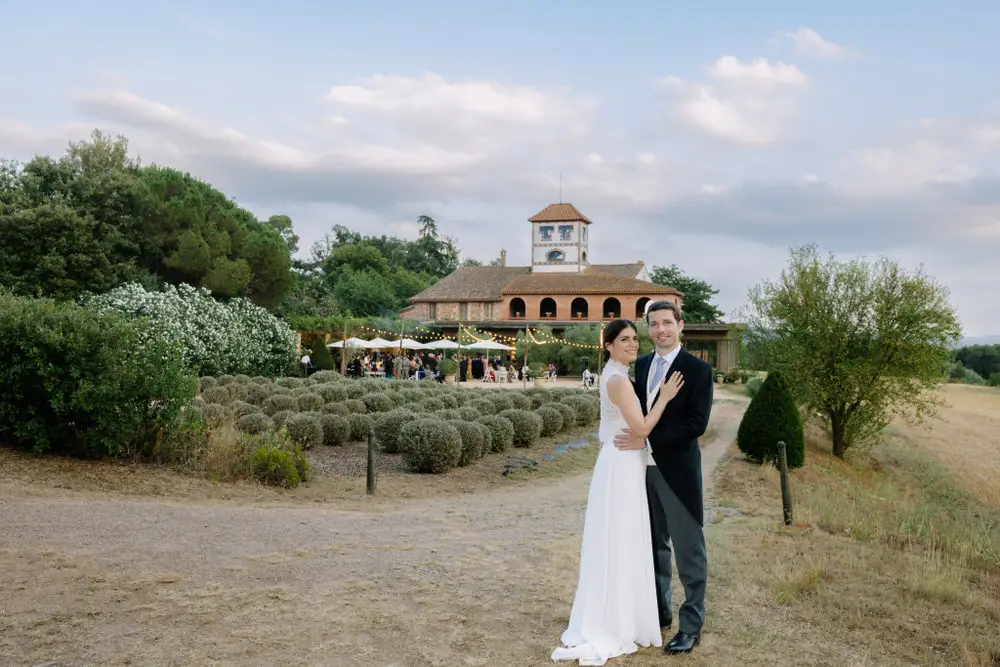
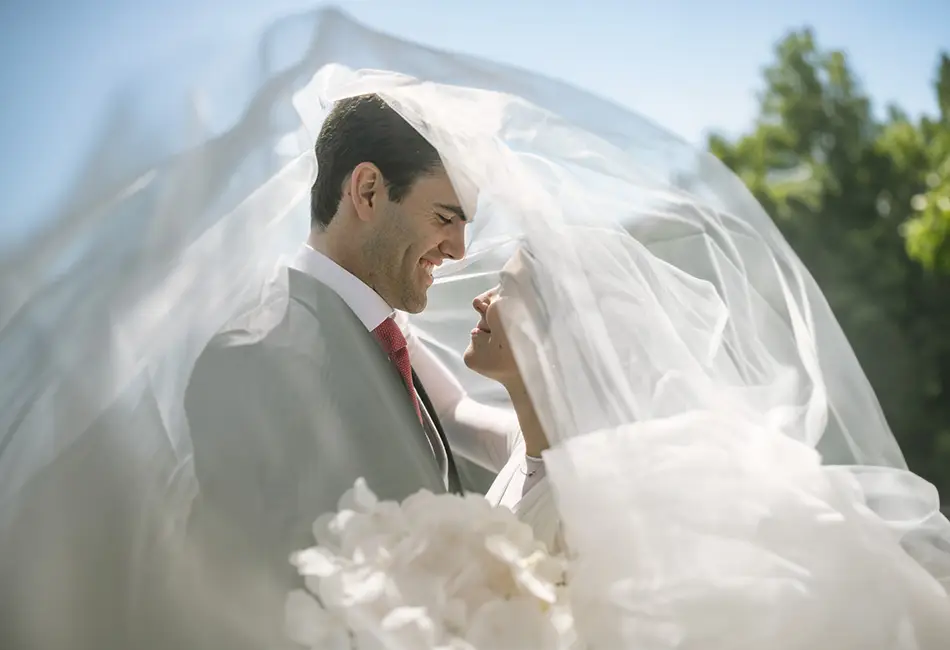
Editorial photography borrows some of its visual language from fashion magazines: deliberate framing, attention to backgrounds, clean compositions, and sometimes carefully directed portraits. It can look elegant and cinematic, but it doesn’t have to mean stiff posing or spending an hour away from your wedding guests.
For me, editorial direction works best in small doses. A simple change in posture, a better angle, or moving away from a distracting background can make a portrait much stronger while keeping the couple comfortable. I enjoy bringing that considered visual quality to portraits and details, then stepping back for the parts of the day that should unfold naturally.
Traditional or classic wedding photography
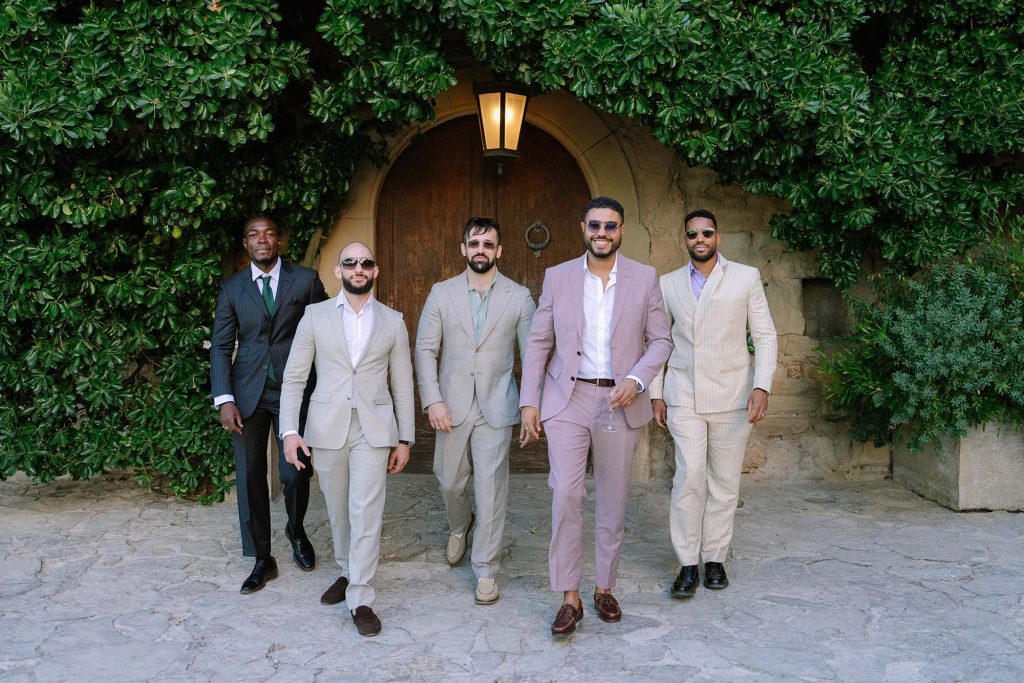
Traditional photography generally places more emphasis on formal portraits and complete coverage of expected moments. Family groups, the ceremony entrance, exchanging rings, cutting the cake, and carefully arranged couple portraits all have a place in this approach. Some couples hear “traditional” and imagine dated poses, but clear, well-organized formal photographs can become among the most meaningful images in the gallery.
I wouldn’t dismiss family portraits simply because you prefer documentary work. Years later, a photograph of several generations together can carry an emotional weight that wasn’t obvious on the day. The important thing is to organize those photographs efficiently so they don’t consume the whole cocktail hour.
Fine art wedding photography
Fine art is one of the least standardized labels. It often refers to a photographer’s attention to composition, light, color, and an aesthetically cohesive collection, sometimes with a softer, painterly quality. But there’s no universal test for what counts as fine art. One photographer may use the term for bright, delicate images; another may produce darker, more dramatic work.
Rather than choosing based on that description, examine complete galleries. Do the compositions feel considered? Is the treatment consistent in ordinary rooms as well as beautiful outdoor locations? Most importantly, do the photographs still communicate the people and the occasion?
Film is a medium, not a complete style
Analog film produces a different physical negative or positive, and certain stocks can offer distinctive color, grain, and highlight behavior. But film doesn’t dictate whether the photographer is documentary, editorial, or traditional. You can photograph a candid guest interaction on film just as easily as a carefully posed portrait.
Film also has practical limits: a finite number of exposures, processing and scanning, and less immediate feedback than digital. Many wedding photographers combine both formats. If you love analog photography, ask to see actual film frames from real weddings and find out how many rolls the package includes.
What about light and airy, dark and moody, and true-to-life color?
These describe a visual finish more than a way of working. Light and airy images often favor brighter tonal values and gentle contrast. Dark and moody photographs tend toward deeper shadows and a more dramatic palette. True-to-life usually suggests a desire to preserve believable colors, although every photographer still interprets color through camera settings and editing.
All three can be beautiful. The challenge is consistency across a wedding. Ask yourself whether you like the look on skin, white clothing, indoor spaces, and nighttime photographs—not just on one sunlit image. And remember that a preset alone doesn’t create good photography: the original light, exposure, and timing are crucial.
Direct flash and black and white aren’t complete styles either
Direct flash can give energetic, party-focused wedding photographs crisp shadows, strong contrast, and a playful, fashion-influenced atmosphere. Used thoughtfully, it’s a useful technique for a dark reception. Used without sensitivity, it can become repetitive or intrusive.
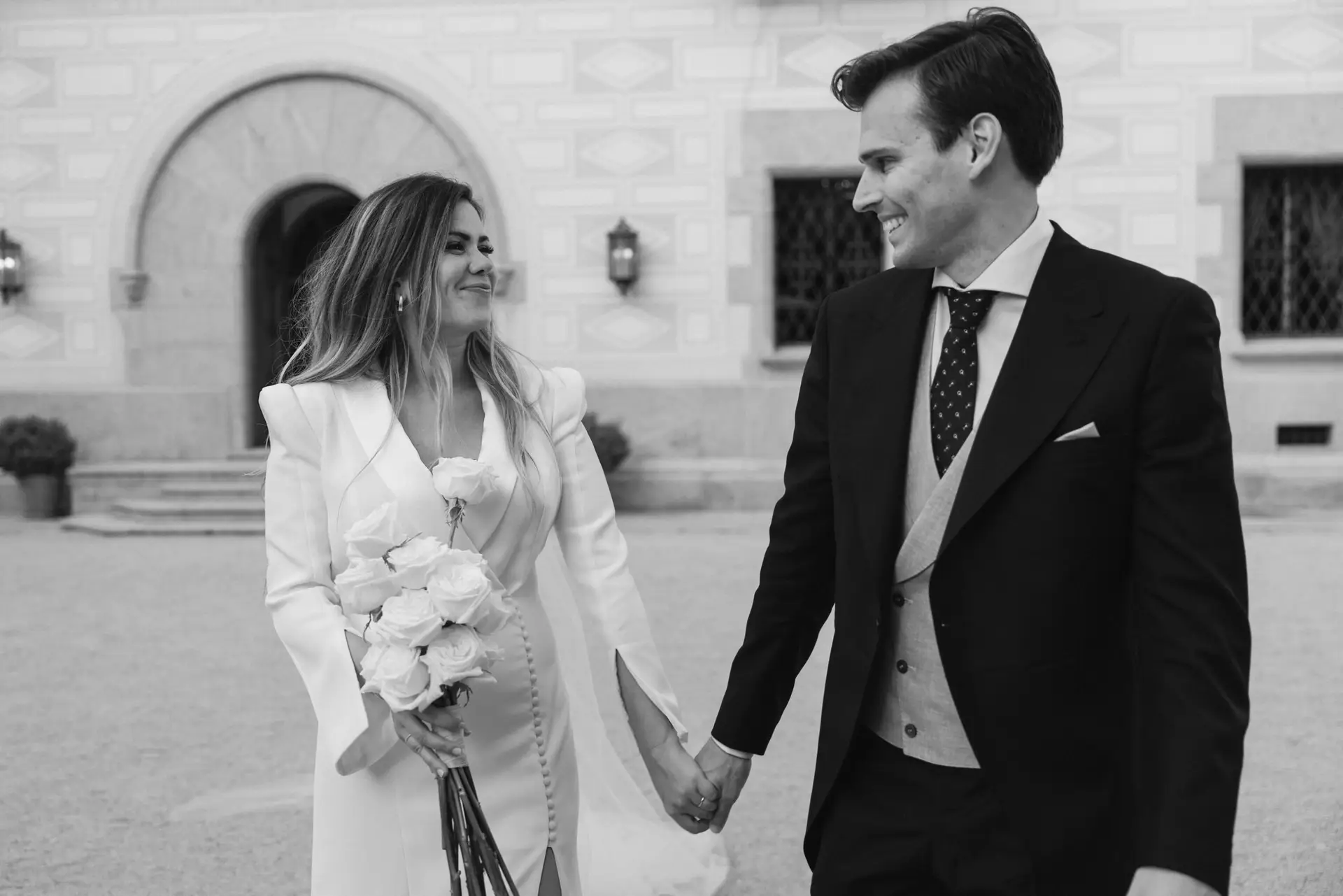
Black-and-white photography is a way of interpreting an image. It can emphasize expressions, light, texture, or graphic shape, but converting an ordinary frame to monochrome doesn’t automatically make it more emotional. I believe the choice should serve the photograph rather than follow a fixed quota of color versus black and white.
What a mixed approach looks like over a complete wedding
Consider the day from beginning to end. During preparations, documentary observation can capture the atmosphere and interactions, while a few considered frames of clothing or accessories show the details. At the ceremony, discretion and anticipation matter more than directing people. For family groups, efficient organization becomes essential.
During couple portraits, a little editorial guidance can help people relax and make the most of the light. At dinner, speeches and guest reactions are largely documentary. When the party begins, a photographer may use flash and a closer, more energetic composition. None of this is a contradiction. It’s a sensible response to different situations.
The best mixed-style galleries feel coherent because the photographer has a recognizable eye, even when their technique changes. That’s what I’d look for—not a promise that every frame will follow one fashionable formula.
How to find the style that’s right for you
Collect 15 or 20 photographs you genuinely love and look for patterns. Are people laughing and moving? Do you prefer close emotional frames or wider photographs that show the setting? How important are formal family portraits? Do you want elegant couple portraits but minimal direction during the rest of the celebration?
Then look at the photographer’s complete weddings and compare your preferences with what they consistently deliver. Ask how they work during a couple session and whether they intervene during the ceremony or speeches. A photographer who describes themselves as documentary but spends much of the day arranging scenes may not be the right fit if you want minimal direction.
Frequently asked questions
Can documentary and editorial photography work together?
Yes. They describe different ways of approaching moments, and many photographers combine unobtrusive coverage with more considered portraits and details.
Is candid wedding photography the same as natural photography?
They overlap, but candid describes an unposed moment, while natural often describes how relaxed and authentic the result feels. A gently directed portrait may still look natural.
Should we choose a photographer based on editing style?
Editing matters because you’ll live with that color treatment for years, but assess it alongside composition, emotion, and consistency in complete galleries.
Which style does Sunnydays use?
I combine natural, documentary coverage with an editorial eye for light and composition. I guide couples when it helps, but I want them to experience the wedding rather than spend it posing.
Choosing a style you will enjoy
Don’t let the terminology intimidate you. You don’t need to become an expert in photographic movements to choose someone you love. Look carefully at real weddings, understand how the photographer works with people, and ask whether their images feel like the kind of memories you want to keep.
If you’re drawn to genuine moments with a considered, timeless look, you might enjoy browsing my wedding galleries. They’re a better explanation of my approach than any label could ever be.
For the wider planning context, see what natural wedding photography feels like.
For a closer look at one approach, read documentary wedding photography explained. Before booking, compare complete wedding galleries to see how a style holds up throughout the day.
To see whether my approach fits your wedding, explore my photography portfolio and tell me about your date and venue.