By Alejandro Cebrián · Sunnydays Fotografía
When couples tell me they don't like flash photography, I usually want to see what photographs they mean. Sometimes they're imagining a very bright, flat picture taken with a camera pointed straight at somebody's face. Sometimes they mean the bold, direct-flash party photographs that are popular in fashion editorials. Those two examples may use the same basic tool, but they make very different pictures.
At a wedding, I use light according to what is happening. The soft atmosphere of a quiet dinner asks for one approach; a lively dance floor may invite another. If you understand the main options, it's easier to decide what look you like and what to ask your photographer before booking.
What a flash actually does
A photographic flash produces a brief burst of light during an exposure. It can brighten a subject who is darker than the background, help freeze movement, or create a deliberate contrast between a person and the environment. That is useful both when it's dark and when it is bright outside but the subject's face is in shade.
The result depends on where the light comes from, how powerful it is, how the camera balances it with the existing light, and how close the photographer is to the subject. A flash is not a preset with one recognizable effect. Treating all flash photographs as one style makes it difficult to explain what you actually prefer.
The subtle approach to flash
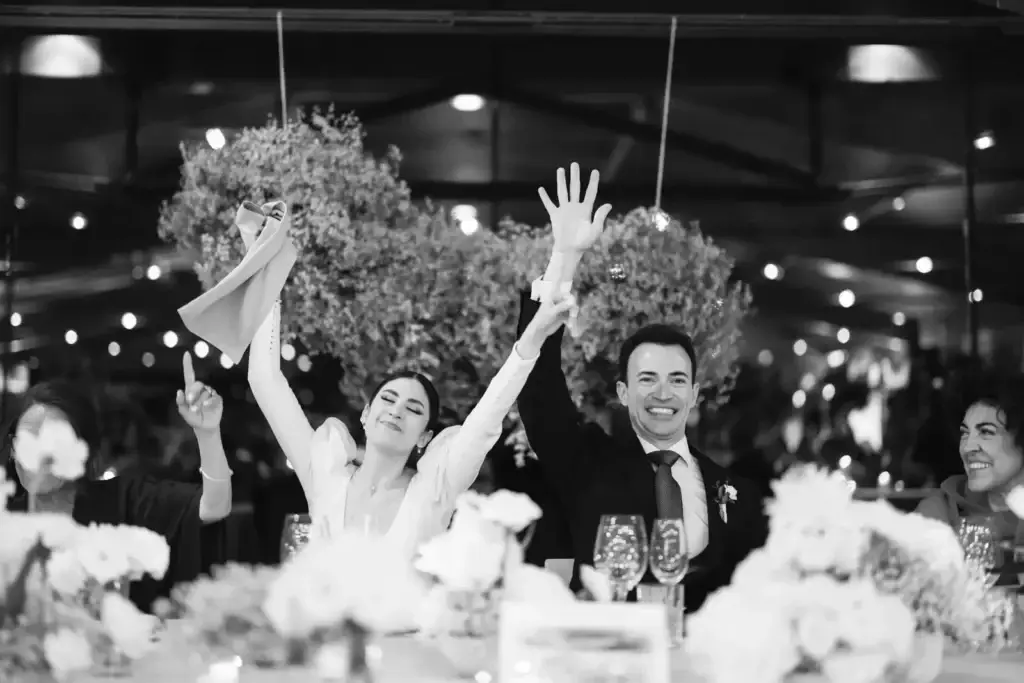
In some situations, I want the room to look more or less the way it felt. I may use a little extra light to keep a face clear during speeches while allowing the candles and lamps to remain visible. If the additional light is gentle and well balanced, it may not be obvious to someone looking at the final image.
One option is to direct a flash toward a suitable pale ceiling or wall so the reflected light becomes broad and soft. This is called bouncing flash. It doesn't work equally well in every venue: a very high ceiling may be impractical, a dark ceiling absorbs light, and a colored surface can change skin tones.
Another option is a separate light placed away from the camera. Off-camera lighting can shape people more deliberately and preserve the surrounding darkness. It is useful for certain portraits or reception settings, but it takes planning and should never obstruct guests or staff.
Direct flash and the editorial party look
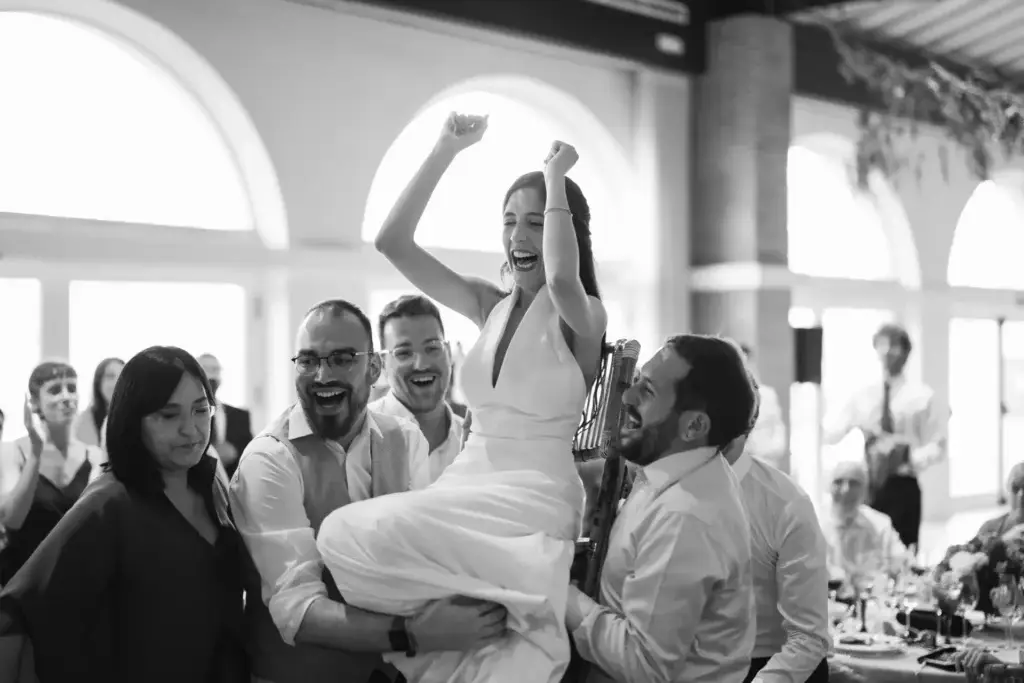
Direct flash means the light goes more or less straight from the camera toward the subject. It often creates brighter foregrounds, distinct shadows, and a spontaneous, graphic feeling. Used thoughtfully, it can be fantastic at a party: people laugh, dance, and move through the frame, and the image feels energetic rather than overly polished.
I like that look when the music is on and everyone has stopped worrying about the camera. It can create a sense of immediacy and a slightly nostalgic feeling, especially when combined with movement or grain. But it isn't appropriate for every moment. Using a very assertive flash during a quiet conversation or ceremony can change the atmosphere and distract the people involved.
It's also possible for direct flash to look unflattering if the photographer is too close, shoots from the wrong angle, or doesn't control the balance with ambient light. The technique itself isn't a guarantee of editorial quality. Composition, timing, and knowing when to stop are just as important.
Flash during different parts of the wedding
Getting ready
I generally look first for window light and natural moments. If the room is dark or has unpleasant mixed light, I may consider a small amount of flash for selected pictures. I wouldn't turn the entire morning into a series of flash-lit poses just to keep exposure technically identical from frame to frame.
Ceremony
The ceremony has its own rules and atmosphere. Some religious spaces prohibit flash; others allow it with restrictions. Even when it is technically permitted, I prefer to work as unobtrusively as possible and avoid creating light bursts during vows or other sensitive moments.
Dinner and speeches
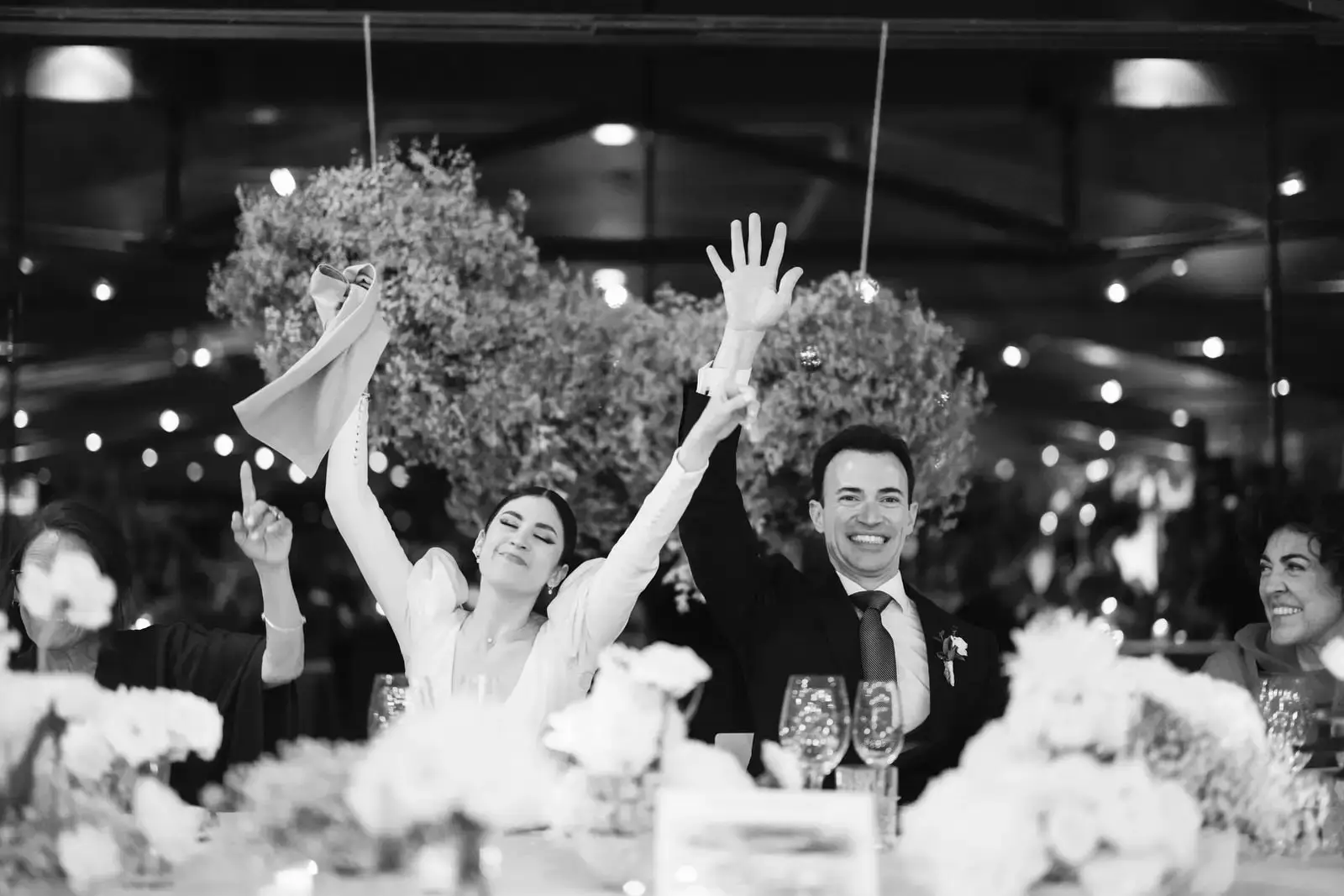
Here subtle light often makes the most sense. We want the emotion of a speech, the reactions at the tables, and the warmth of the room to exist together. I look for a way to make faces readable while retaining the setting rather than turning every table into an evenly lit banquet photograph.
First dance and party
Movement changes the equation. Depending on the room, I may mix flash with the existing lighting, use direct flash for energy, or allow a slower shutter speed to create intentional trails of movement behind a sharply lit subject. I vary the technique because one look repeated for an entire evening rarely tells the whole story.
Does flash remove the atmosphere?
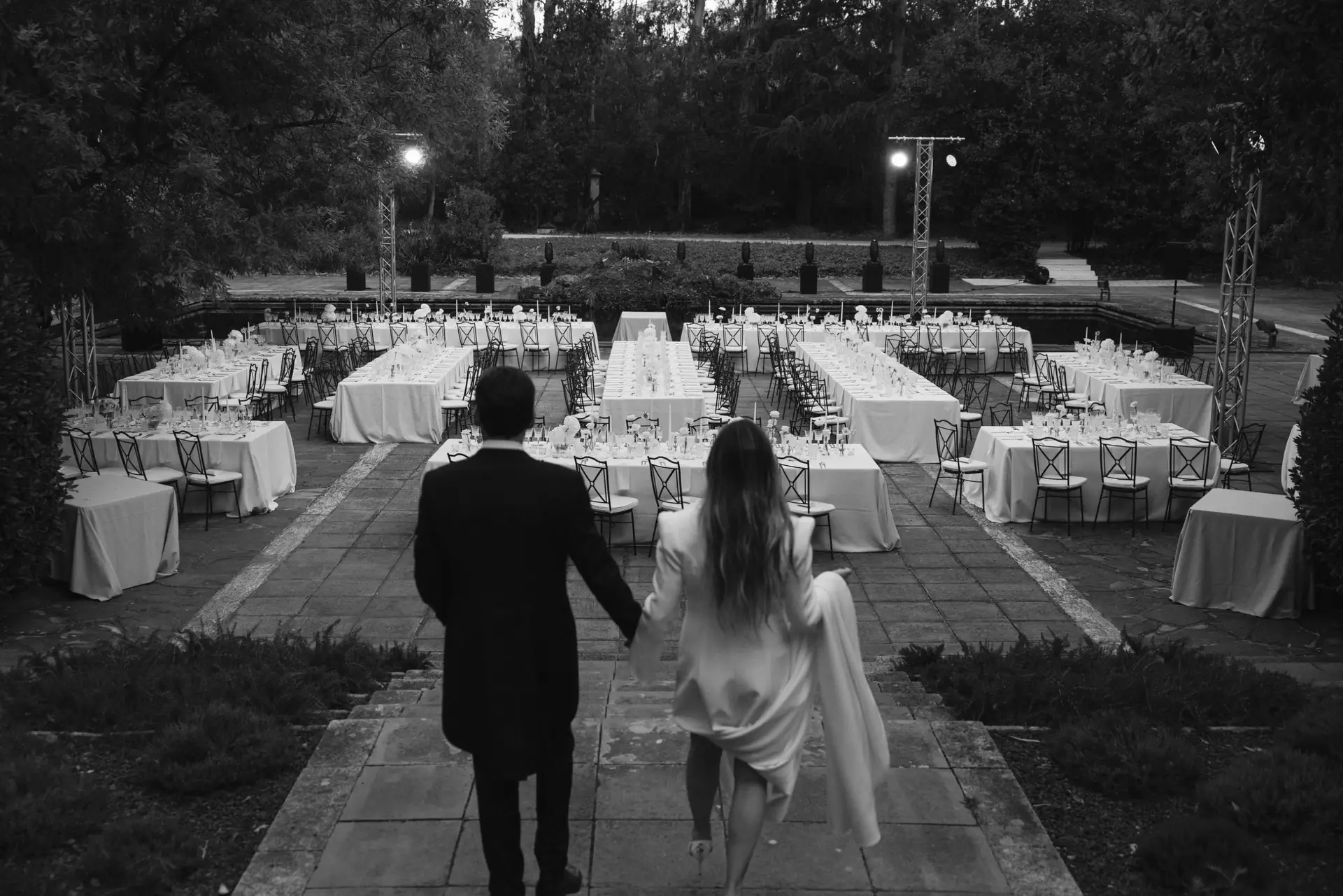
It can if it is used carelessly or too aggressively. A photograph where the couple is bright but the background has disappeared into black may feel less like the real room. On the other hand, a well-balanced flash exposure can make a dim reception more understandable while still showing the candles, guests, and lights.
I wouldn't judge a photographer's flash work from a single close-up. Look at images where you can see the space and compare them with photographs taken without flash during the same event. Can you still tell where the wedding took place? Does the color feel intentional? Does the person look comfortable rather than caught off guard in an unpleasant way?
Questions worth asking before you book
Ask whether the photographer uses flash during ceremonies and how they handle restrictions. Ask to see actual dinner and dance-floor coverage in complete galleries, including wide photographs, rather than only their favorite five party images. If you love the direct-flash editorial look, mention it and see whether that style already appears in their work.
You can also tell a photographer about something you actively dislike, such as bright direct light during an intimate speech. A good conversation about priorities is more useful than requesting that flash never be used. In a very dark venue, that blanket prohibition could limit how well some moments are recorded.
Frequently asked questions
Does flash hurt people's eyes?
A normal photographic flash is brief, but it can be uncomfortable or distracting, especially at close range or when someone is sensitive to bright light. During emotional moments I care about that experience. If anyone has a relevant sensitivity or the venue has restrictions, tell the photographer ahead of time.
Does flash make everyone look shiny or pale?
It can if light, exposure, and distance are poorly controlled. Proper technique and editing can reduce those problems, though shiny skin and strong reflections may still appear in real party conditions. Look for consistent skin tones and flattering light in complete galleries.
Can flash produce natural-looking pictures?
Absolutely. A small amount of balanced flash can be difficult to notice in a finished photograph. The word “natural” describes the result and the way people behave in front of the camera, not a rule that every image must be taken with available light only.
What matters most to me
I want flash to help me tell the story, never to become the story. Sometimes it makes the atmosphere visible; sometimes it adds real energy to the dance floor; sometimes the best decision is to leave it off entirely. If you like the mixture of natural, editorial and energetic photographs in my work, let's talk about the kind of celebration you're planning.
For the wider planning context, see blue hour wedding photographs.
For the broader challenge of working after sunset, read my guide to low light wedding photography. It explains the balance between available light, movement and atmosphere.
To see whether my approach fits your wedding, explore my photography portfolio and tell me about your date and venue.