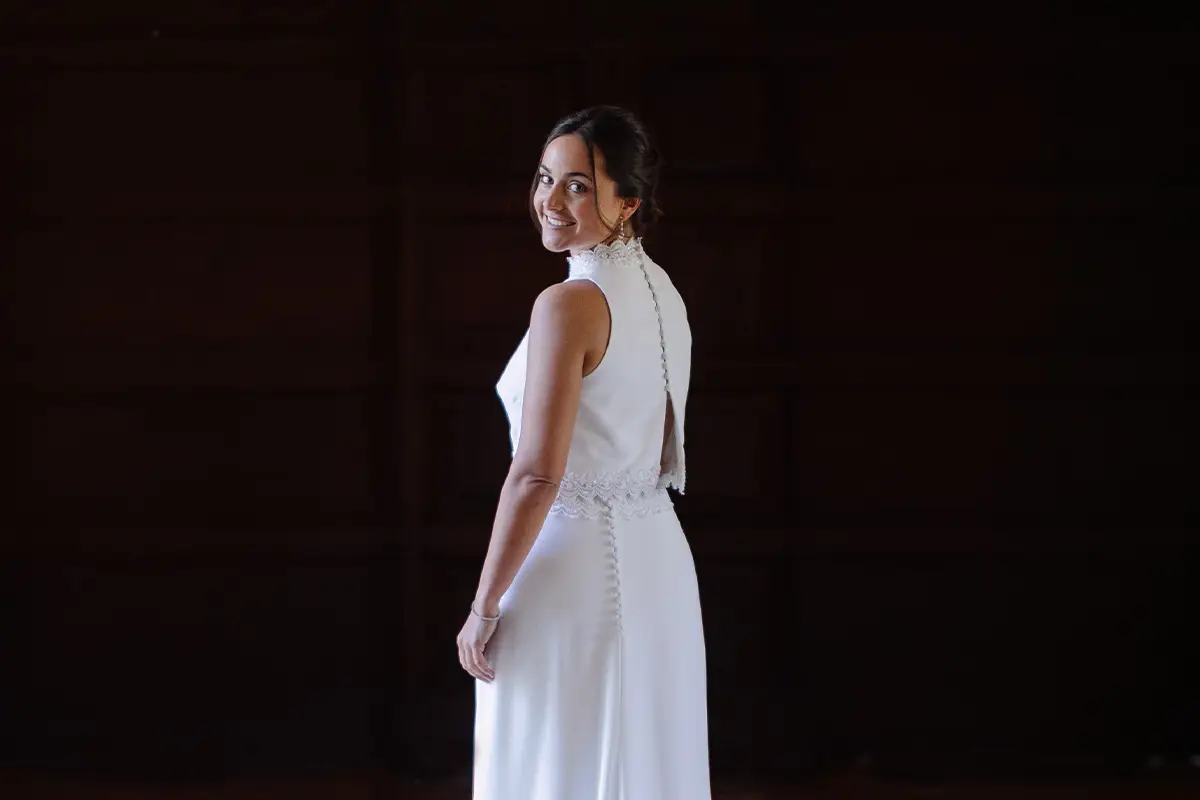
By Alejandro Cebrián · Sunnydays Fotografía
The photographs taken while you’re getting ready can become some of the most personal images in your wedding gallery. They’re not only about the dress, suit, shoes, or final makeup touches. They’re about the atmosphere before everything begins: friends sharing breakfast, someone helping with a button, a parent pausing in the doorway, and that mixture of excitement and nerves that feels different from any other morning.
You don’t need a perfect hotel suite or a room full of matching robes to get beautiful getting-ready photographs. A little thought about light, timing, and who you want beside you makes a much bigger difference. Here’s how I would prepare without turning the morning into another photoshoot.
Choose a room where you can actually relax
A spacious room with natural window light can be useful for photography, but comfort comes first. If twenty people are trying to get ready in a tiny room, no styling trick will make it feel calm. Consider whether there’s enough space for clothing, bags, hair and makeup, and the people who need to be there.
If you have a choice between rooms, take a look at window size, background, and how much daylight enters. A clean wall near a window can be a lovely setting for finishing touches. It doesn’t need an elaborate decoration scheme, and I wouldn’t choose an inconvenient room merely because it looks good on Instagram.
What if the room isn’t beautiful?
Real homes and hotel rooms are rarely magazine sets. A photographer can often improve a frame by changing angle, choosing a quieter background, or moving closer to a window. If you can, keep suitcases and packaging in one area instead of spreading them around the room. That small practical step helps without asking anyone to stop living in the space.
There are also moments when the surroundings barely matter. A genuine hug, an unexpected laugh, or a quiet conversation can be more meaningful than a perfectly styled room. I wouldn’t interrupt those things because there happened to be a bag in the background.
Decide who you want around you
Some people love a lively room full of friends and music. Others want only one or two close relatives. Neither approach is better for photographs. The question is what will make you feel comfortable and supported while you’re preparing for the ceremony.
Think about who will help with clothing and who might appreciate having a little time together before everyone leaves. You don’t have to invite people simply because they’re part of the wedding party, and you don’t need everyone to wear coordinated outfits unless that’s something you enjoy.
If children or older relatives are present, allow them to be themselves. Some of the nicest moments happen when people aren’t trying to follow a photography plan.
A simple detail checklist
If you want photographs of the rings, invitations, perfume, shoes, jewelry, cufflinks, or other personal objects, gather them somewhere easy to find. That saves time searching through bags when the photographer arrives. It doesn’t mean every object needs a separate photograph; I’d rather select details that have meaning or help tell the story of the day.
If an item belongs to someone else or will be needed for the ceremony, make sure it can be photographed without delaying anyone. And please don’t feel you need to buy a decorative box, special hanger, or matching accessories solely for the pictures. A personal object with a real story will usually matter more.
When should the photographer arrive?
I like arriving when the morning already has some life in it but before the most important dressing moments. If makeup and hair are nearly complete, there’s still time to photograph the atmosphere, final touches, and people interacting without documenting hours of waiting. The ideal arrival time depends on the ceremony, travel, number of people, and whether two getting-ready locations are involved.
Ask your beauty team for a realistic finishing time and build in a little margin. Hair or makeup delays can affect dressing, portraits, and departures. If a first look is planned, everyone may need to be ready earlier than they would for a traditional ceremony reveal.
Allow time for getting dressed
Putting on a wedding outfit can involve more people and more time than expected. Buttons, a veil, jewelry, a tie, or final adjustments can become lovely photographs, but nobody should feel rushed through them. Decide who will help and make sure they’re dressed and available when you need them.
I wouldn’t ask someone to undo a meaningful moment simply so we can photograph it a second time. It’s better to plan enough time to be present when it happens naturally. If something is missed because real life moves quickly, that’s part of the day; we should not make you perform it again for the camera.
Separate getting-ready locations
If you’re preparing in two hotels, one photographer may need to divide time between them, while a second wedding photographer can cover both simultaneously. The decision depends on distance, timing, and how important it is for you to see each person’s preparations. Don’t assume two venues ten minutes apart on a map are ten minutes apart in a busy city on the wedding day.
For destination weddings, consider where guests are staying and how transport will work. Getting-ready photographs should fit into the real schedule, not create additional transfers merely to use a beautiful room.
What if you’re getting ready together?
There’s no rule saying partners must prepare separately. Some couples share the morning, help one another get dressed, or leave for the ceremony together. That can create intimate, relaxed photographs in its own way. If it reflects your relationship and the kind of wedding you want, it’s a wonderful option.
Similarly, you don’t need a dramatic first look with every parent or friend. If seeing someone in your wedding clothes is naturally an emotional moment, I’ll be attentive to it. But trying to schedule a sequence of reactions can make the morning feel less spontaneous.
Light and flash during preparations
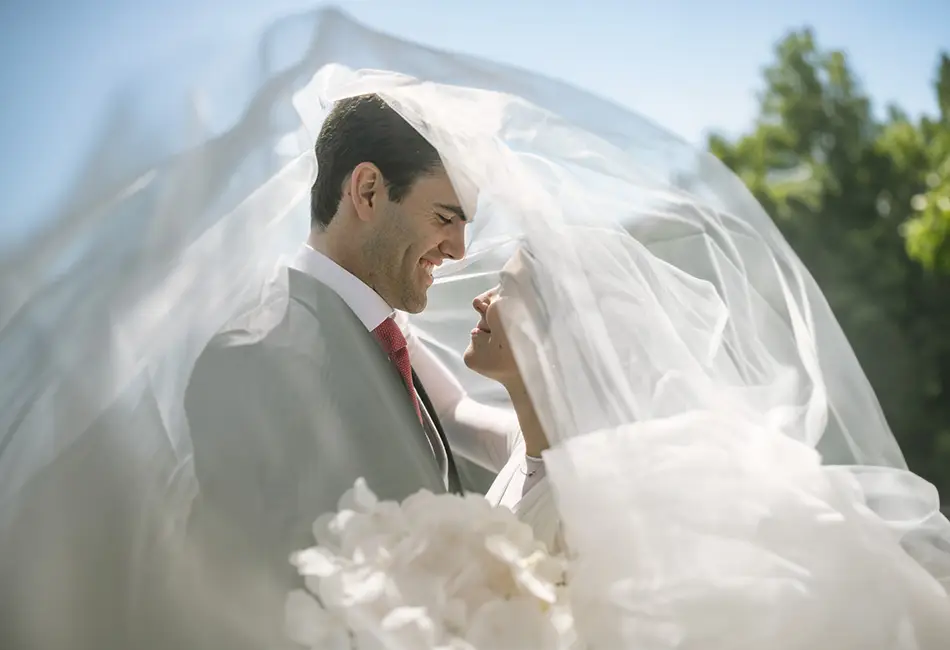
Window light often works beautifully because it’s soft and can create shape on faces. But the direction matters: standing with the window directly behind you can look very different from turning toward it. If the room is very dark or contains mixed artificial lighting, I may adjust my position or use another light source when appropriate.
The goal isn’t to recreate a styled editorial shoot in every room. It’s to make photographs that feel true to the people and atmosphere, while still paying attention to how the light and composition work.
A practical morning checklist
Before the wedding, confirm the getting-ready addresses, planned departure times, and when hair and makeup should be finished. Gather the details you’d like photographed and decide who will assist with getting dressed. Leave a clear area for bags and packaging, keep water and something to eat nearby, and make sure you have a little space to breathe.
If you have special traditions, letters, gifts, or an important relative arriving at a particular time, tell your photographer. They don’t need to control the moment, but they do need to know when and where something meaningful might happen.
Frequently asked questions
Do we need matching robes or special hangers?
No. Buy them if they make you happy, not because photography requires them.
Should makeup be completely finished when the photographer arrives?
It doesn’t have to be, but arriving near the final stages often offers a good balance between documenting preparations and leaving time for dressing and departure.
What if we get ready in different places?
Discuss the locations and travel times. A second photographer may be useful when important moments overlap, but some schedules can work with one.
How long should getting-ready photos take?
It varies with the people, locations, and ceremony schedule. Rather than allocating a rigid portrait block, build the coverage around the actual preparation process and allow time for dressing.
Give the morning room to unfold
Don’t spend the morning trying to create the perfect getting-ready photographs. Choose a place where you’re comfortable, surround yourself with the people you want, and give the schedule enough room to unfold. I’ll look for the lovely light and compositions, but what I really want to preserve is how the beginning of your wedding day felt.
For the wider planning context, see planning your wedding timeline.
To see whether my approach fits your wedding, explore my photography portfolio and tell me about your date and venue.