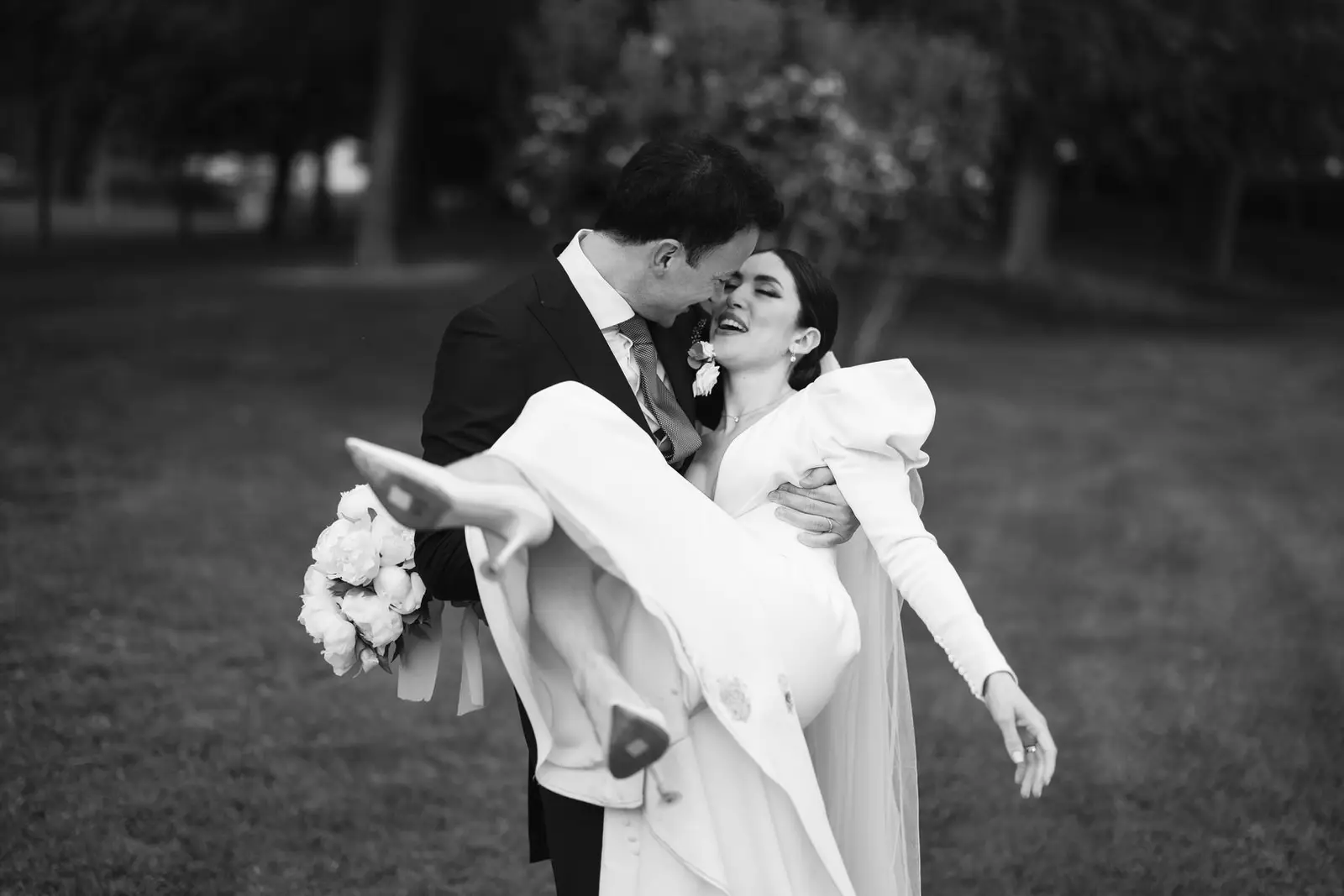
By Alejandro Cebrián · Sunnydays Fotografía
I understand the instinct to make a wedding photo shot list. You're planning an event that only happens once, and you don't want to look through the gallery afterward wondering why a particular person or detail is missing. A list can absolutely help. But the useful version is shorter and more personal than the giant Pinterest checklists you'll find online.
I don't need a note reminding me to photograph the ceremony, the first kiss, or the first dance if those moments are part of the coverage. I do need to know that your grandfather made the ring box, that two friends are flying in from another continent, or that a particular cultural ritual happens only once. The best shot list tells your photographer what they could not reasonably know on their own.
Three different lists that often get mixed together
The event schedule says what happens and when: preparations, ceremony, dinner, speeches, and the party. It is essential for logistics, but it isn't a photo shot list. My guide to briefing your wedding photographer covers the practical information separately. The family group list names the specific combinations of people you want arranged together for a quick portrait.
The personal priority list is the smaller document that identifies moments, people, or objects with particular meaning. This is what I find most useful when couples ask me about shots they don't want missed. Keeping these three documents distinct is easier than one enormous checklist mixing timings, family names, and generic inspiration pictures.
If you're working with a planner, they may already have a master event schedule. You don't need to rewrite it from scratch for the photographer. Share the relevant version and add the photographs or moments that have special importance to you.
What belongs on a personal shot list
Start with things I could easily overlook without context. It might be a gift exchange between siblings, a relative who rarely sees the couple, a handmade detail, or a guest performing a song. Describe where and when the moment is likely to happen if you know.
For example, “Please photograph Dad and Aunt Maria together during cocktail hour; they live in different countries” is much more useful than “capture candid moments with family.” “The rings will be carried in the small wooden box Grandma made” tells me what is important about an object, not only that the object exists.
A list of personal priorities should not become a guarantee that every spontaneous moment will happen in front of a camera. People move unpredictably, light changes, and guests sometimes leave early. The list helps me anticipate and prepare; it doesn't give us control over everyone involved.
The family group list is a separate practical job
This is where exact names and combinations matter. “Parents and siblings” might mean several different groupings, and the photographer won't know which you intend. Write out the combinations in a sensible order, starting with people who should not be kept waiting or who need to leave early.
A simple example might be the couple with both sets of parents, then one partner with their immediate family, then the other partner with theirs, followed by a few extended-family combinations. Adapt it to your actual relationships. You don't have to follow a traditional family structure if it doesn't fit your life.
Ask a friend or relative who knows everyone to help call the groups. That person can often save more time than an extra page of instructions. For complicated family situations, tell the photographer discreetly which combinations should not be requested.
What usually doesn't need to be listed
You can leave out predictable wedding milestones if your photographer is already covering them. The entrance, vows, rings, recessional, couple portraits, speeches, and dance floor are normal parts of a professional wedding story when they take place during coverage. Listing all of them adds little useful information.
Generic descriptions such as “bride laughing,” “groom smiling,” or “emotional candids” are also difficult to act on. A real reaction cannot be scheduled. The photographer's job is to pay attention and respond when it happens.
I would rather spend a few seconds finding the right angle for a spontaneous embrace than check whether I've already taken photograph number thirty-seven from an internet list.
How to use Pinterest references wisely
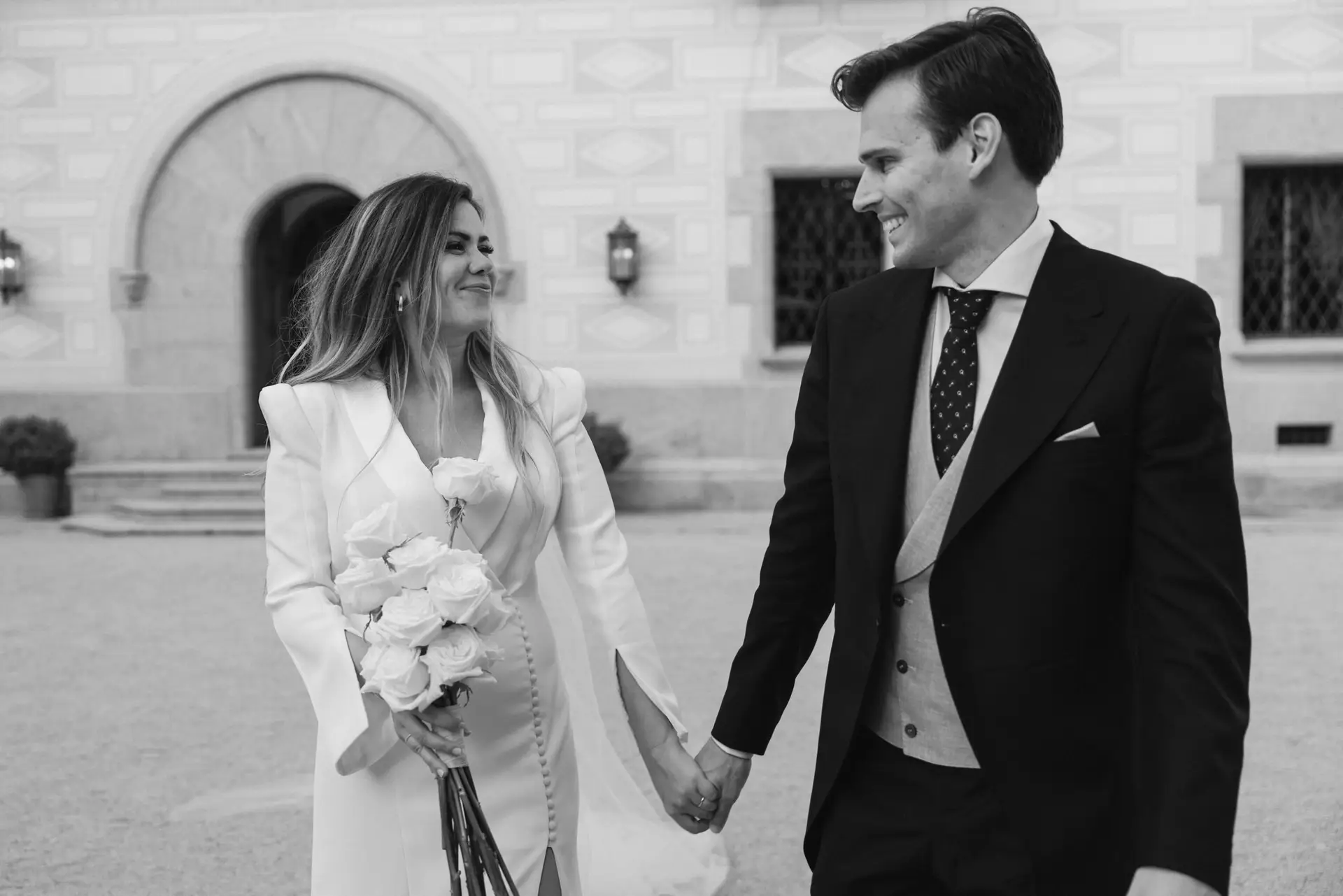
Reference images can help communicate a feeling. You might love soft color, strong architectural compositions, direct-flash party images, or a relaxed portrait where the couple is walking together. A small number of references can start a useful conversation about your taste.
The trouble begins when references become exact instructions. The light, body positions, clothing, background, and relationship between people in the original photograph cannot be copied precisely into a different wedding. Asking your photographer to recreate ten images can make your day feel like a photoshoot built around somebody else's memories.
If you send references, tell the photographer what you like about each one. Is it the mood, composition, gesture, or color? That gives us room to create something genuine in your own setting.
A sample one-page priority list
Here is the kind of note I would actually find useful. The names and details below are fictional examples, not real client stories or a formula that every couple needs to fill.
People: “My grandmother Rosa uses a cane and will leave just after the ceremony; please prioritize a portrait with her before she goes.” Personal objects: “The small blue handkerchief belonged to my grandfather and will be sewn inside the jacket.” Unusual moments: “Our friends are performing a surprise song after the first speech; the planner knows the timing.”
Preferences: “We love candid photographs of guests and would prefer couple portraits to stay short.” Sensitive note: “Please don't ask my divorced parents to pose together.” That's far more valuable than a four-page list of standard wedding poses.
How much should you ask the photographer to guarantee?
I would avoid contracts or shot lists that promise every specific candid frame. A photographer can make reasonable efforts to cover identified priorities, but the event remains live and unpredictable. A guest may be in a different room, an important reaction may happen behind another person, or a ceremony rule may limit movement.
If one photograph is essential, consider whether it should be arranged as a deliberate portrait instead of left to chance. That is particularly true for older relatives, people traveling long distances, or family combinations that matter a great deal to you. A two-minute planned photograph is often a better solution than expecting a spontaneous interaction to happen in precisely the right place.
When to share your list
Send it when the schedule and family arrangements are reasonably settled, with enough time to discuss anything unusual. I prefer one current document over several different versions arriving through email, WhatsApp, and a planner's notes. Include a contact person who can help with family names on the day.
If a personal priority changes at the last minute, tell me directly or ask the planner to update me. The goal is to keep the information accurate and accessible, not to turn wedding planning into document management.
What to ask your photographer
How do you normally handle family groups? Do you want a written list and names? How do you keep track of special moments without following a checklist all day? What happens if an important guest has to leave early? Can we share a few reference images to explain a particular aesthetic?
The answers should show that the photographer respects your priorities while retaining the freedom to notice what hasn't been planned. That's the balance I aim for.
Frequently asked questions
Do we need a shot list for the photographer to know what to photograph?
Not for the normal progression of a wedding. An experienced professional should already understand how to cover common moments. The list is for personal information and precise family groupings they couldn't know by themselves.
Can we ask for photos of every guest?
You can discuss that goal, but it may require specific time or an organized approach at a large wedding. Don't assume natural coverage guarantees an individual portrait of every attendee. Decide how important it is relative to the other parts of the day.
Will the photographer follow our list exactly?
They should take reasonable account of agreed priorities, but the realities of a live event may limit specific images. Talk about what is essential and what is simply a preference. A photographer who promises every unscripted moment is making a promise they may not be able to control.
My favorite kind of shot list
One page that tells me who and what is meaningful to you. I want to keep those priorities in mind while I photograph the wedding naturally, not spend the day reading instructions. If you're planning a wedding with me, we'll make the list together and keep it useful rather than exhaustive.
For the wider planning context, see planning your wedding timeline.
You can also explore more wedding photography advice.
To see whether my approach fits your wedding, explore my photography portfolio and tell me about your date and venue.