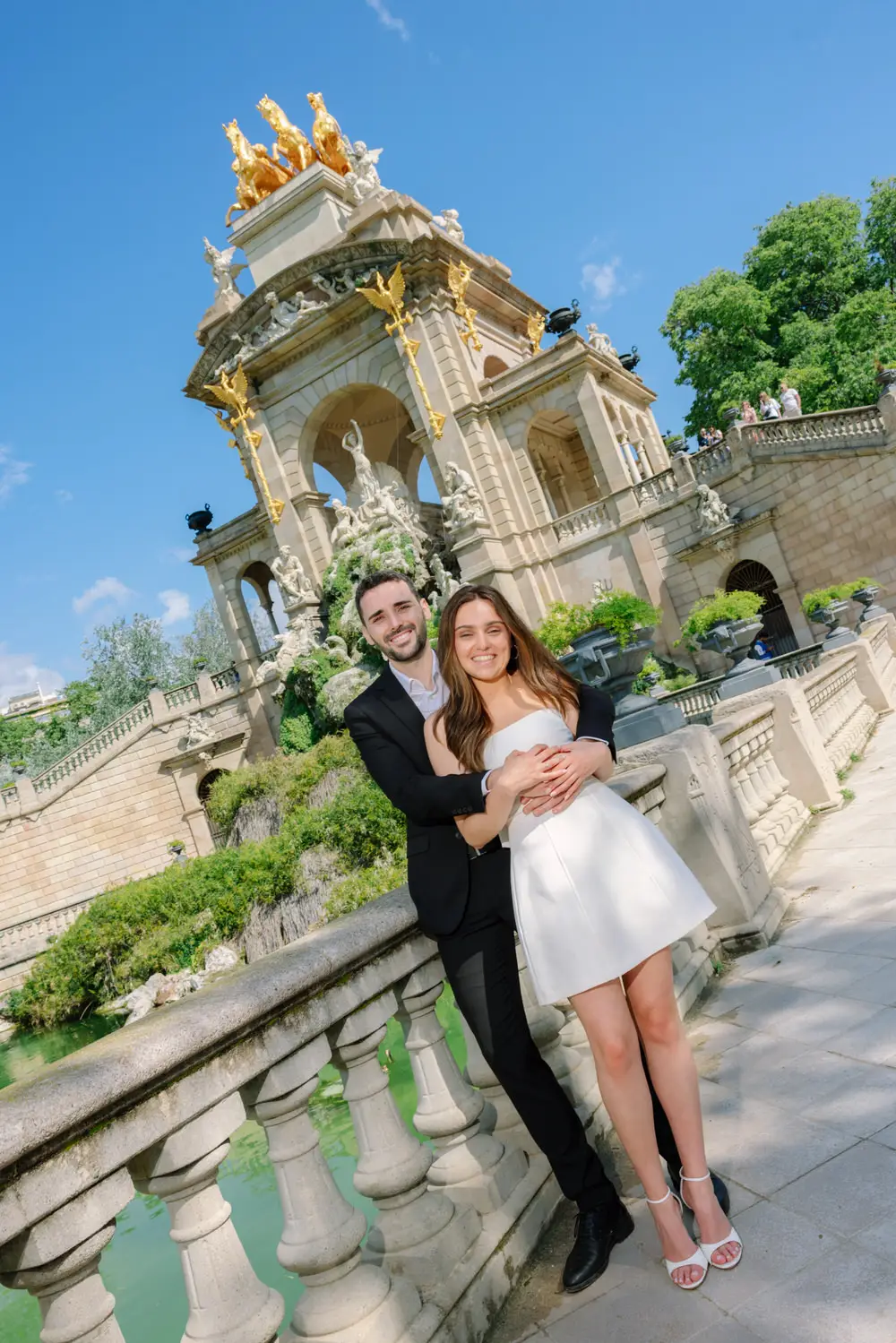
Planning a destination wedding in Catalonia is an exciting experience, especially if you’re coming from the United States, the United Kingdom, or another country. Between Barcelona’s architecture, the Mediterranean coastline, beautiful countryside estates, and historic venues, this part of Spain offers an incredible variety of settings for a wedding. But organizing everything from abroad also comes with questions that aren’t always easy to answer.
Where should your guests stay? How far is your venue really from Barcelona? What’s the best time of year to get married? Should you choose a Saturday or consider a weekday? And how can you make the most of the Mediterranean light without spending your wedding day posing for photographs?
I’m Alejandro Cebrián, a wedding photographer based in Barcelona and the person behind Sunnydays. After more than ten years photographing weddings throughout Catalonia, including celebrations with couples and guests traveling from around the world, I’ve learned that the most successful destination weddings have something in common: they embrace the place where they’re happening rather than trying to recreate a wedding from somewhere else.
Catalonia has its own landscapes, traditions, light, food, and rhythm, and those differences are part of what makes getting married here so special. My job is to capture all of that while making sure the people, emotions, and spontaneous moments remain at the center of your wedding photographs.
In this guide, I’ll share what I’ve learned about planning and photographing destination weddings in Catalonia, from choosing the right location and season to creating a realistic timeline, organizing a multi-day celebration, and finding a photographer who understands both the region and the experience you’re planning.
How destination wedding photography in Catalonia works
From a photography perspective, a destination wedding isn’t fundamentally different from a local wedding. We discuss your plans, understand the schedule, identify the people and moments that matter most to you, and document the day as naturally as possible. The main difference is that destination weddings usually involve more planning around the celebration itself, especially when guests are traveling from several countries.
You might be organizing a welcome dinner the evening before, arranging transportation between hotels and the venue, combining different cultural traditions, or planning a farewell brunch the following morning. Some couples also choose to organize an engagement session or a relaxed portrait session somewhere in Barcelona before the wedding.
All of these elements can make the celebration more personal, but they also require coordination. As your photographer, I want to understand the complete schedule, the locations involved, and any moments that shouldn’t be missed. The better we prepare beforehand, the more naturally everything can unfold on the wedding day.
For me, destination wedding photography should never feel like another complicated element of your planning. Once the important decisions have been made, you should be able to enjoy your wedding without worrying about what your photographer is doing every minute.
Should you hire a local destination wedding photographer in Catalonia?
One of the first decisions couples planning a wedding abroad need to make is whether to bring a photographer from their home country or hire someone who already works in the destination.
There’s no single correct answer. If you’ve found a photographer in the United States whose work you absolutely love and with whom you have a great connection, bringing that person to Spain might be the right decision. However, hiring a photographer based in Catalonia has several practical advantages that are worth considering.
Local experience with venues and lighting
One of the biggest advantages of working with a local wedding photographer is familiarity with the region. After photographing weddings in Barcelona, Girona, the Costa Brava, and other parts of Catalonia, you begin to understand how dramatically the environment can change depending on the location and season.
For example, an outdoor ceremony in Barcelona in June might receive direct sunlight at a time when another venue, surrounded by mountains or tall trees, is already in the shade. A garden that looks beautiful in photographs taken during spring may have completely different lighting conditions in August. These details can influence the ceremony schedule, the location of your portraits, and the overall photography experience.
If I’ve already photographed a wedding at your venue, I may know which locations work best at different times of day. If it’s somewhere new, being based nearby makes it easier to coordinate with the venue, research the surroundings, and understand the lighting conditions before the wedding.
Simpler travel logistics
Hiring a local photographer can also simplify the practical side of your wedding. You may avoid paying for international flights, several nights of accommodation, additional travel days, or the uncertainty of someone traveling a long distance with professional photography equipment.
That doesn’t mean a local photographer is automatically cheaper or better. The quality of their work, their approach, and the connection you have with them should always be the most important factors. But when two photographers offer a similar level of experience and a style you love, local knowledge can make a meaningful difference.
Communication and international experience
Working with couples from different countries is an important part of destination wedding photography. Planning a wedding from abroad requires clear communication, particularly when you’re discussing schedules, suppliers, locations, and expectations.
I work in English, Spanish, and Catalan, and I’m comfortable photographing weddings where guests speak several different languages. Most of the wedding day doesn’t require constant communication anyway. My approach is largely documentary, which means observing what’s happening and anticipating moments rather than directing every situation.
What matters most is that we understand each other during the planning process and that you feel comfortable with me on the wedding day.
Where to get married in Catalonia
One of the things I love most about Catalonia is the variety of landscapes and wedding venues within a relatively compact region. You can celebrate your wedding in the center of Barcelona, at a Mediterranean estate overlooking the sea, in a historic castle, surrounded by vineyards, or in the mountains.
Each setting creates a different atmosphere and comes with its own practical considerations. Choosing the right location isn’t simply about finding a beautiful venue in photographs. You also need to consider accessibility, accommodation, weather, the number of guests, and the type of celebration you want.
Barcelona: Elegant city weddings and historic architecture
Barcelona is an excellent choice for couples who want their destination wedding to feel like a complete city experience. Your guests can enjoy the architecture, restaurants, beaches, museums, and nightlife throughout their stay, making the trip enjoyable even beyond the wedding itself.
The city offers a wide range of wedding settings, from luxury hotels and historic buildings to private estates and elegant venues just outside the center. It’s also a practical location for international weddings because Barcelona has a major international airport, a large choice of accommodations, and relatively convenient transportation connections.
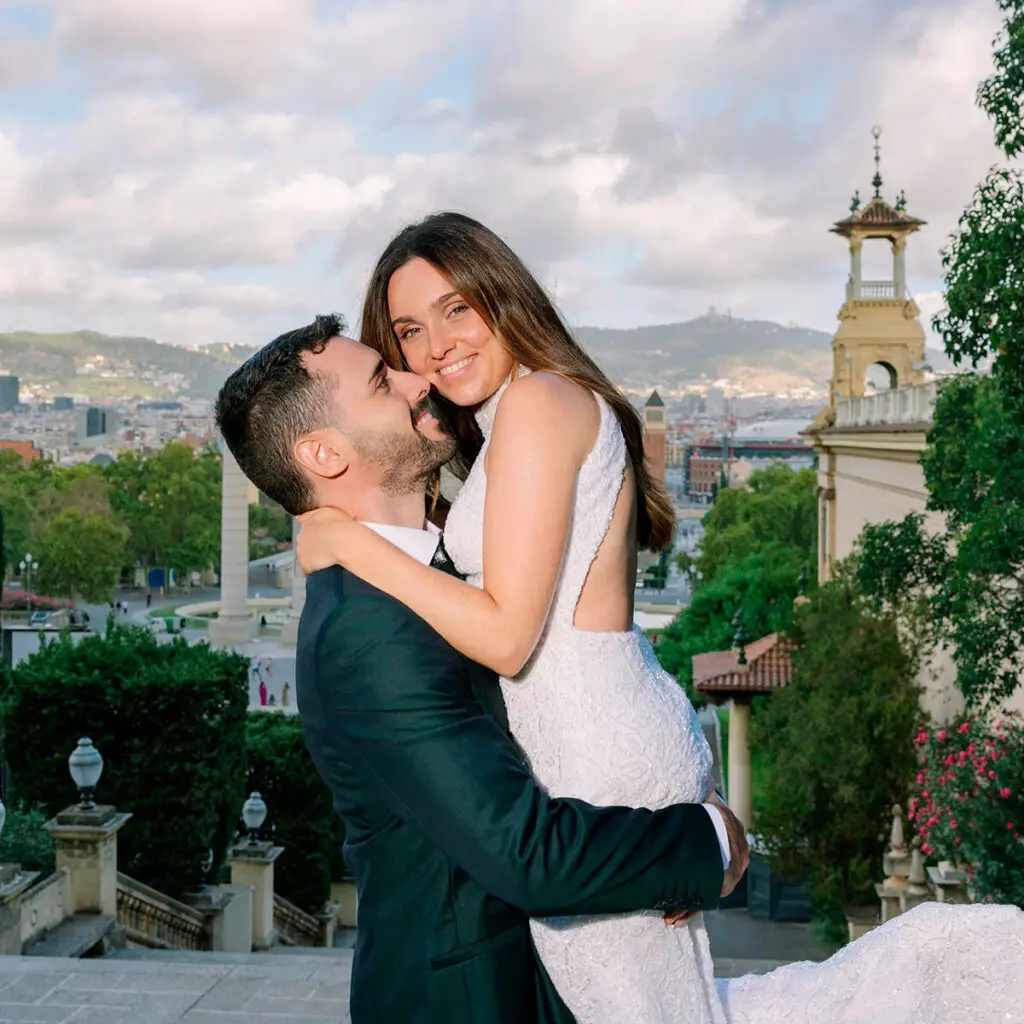
From a photography perspective, Barcelona offers beautiful architectural backgrounds, a distinctive Mediterranean atmosphere, and a combination of historic and contemporary spaces. The most important consideration is choosing a location that works well for the size and style of your wedding rather than trying to include every famous landmark in your photographs.
Costa Brava: Mediterranean landscapes and coastal weddings
The Costa Brava is one of the most beautiful parts of Catalonia for a destination wedding, especially if you’re looking for a Mediterranean setting. Its rocky coastline, small coves, pine forests, historic villages, and sea views create an atmosphere that feels completely different from a city wedding.
Some venues offer spectacular views of the Mediterranean, while others are surrounded by gardens or located in traditional stone estates. The photography opportunities can be wonderful, particularly when the late afternoon light reaches the coastline and the landscape becomes softer.
However, it’s important to remember that the Costa Brava covers a large area. Some venues are relatively accessible from Barcelona, while others require a longer transfer. Coastal locations can also be exposed to wind, and the orientation of a venue may influence when the best natural light is available.
If you’re planning a Costa Brava wedding, I recommend considering the complete guest experience. Beautiful views are important, but comfortable accommodations, transportation, and a good backup plan for the weather matter just as much.
Girona: Historic estates and countryside weddings
Girona and its surrounding countryside are particularly appealing for couples looking for a more relaxed, intimate atmosphere. The region is home to traditional Catalan estates, historic buildings, rural hotels, and beautiful country properties that can provide a wonderful setting for a wedding weekend.
Many of these venues offer several spaces within the same property, allowing you to organize the ceremony, cocktail hour, dinner, and party without moving guests between locations. This can make the day feel more comfortable and often provides more flexibility for photography.
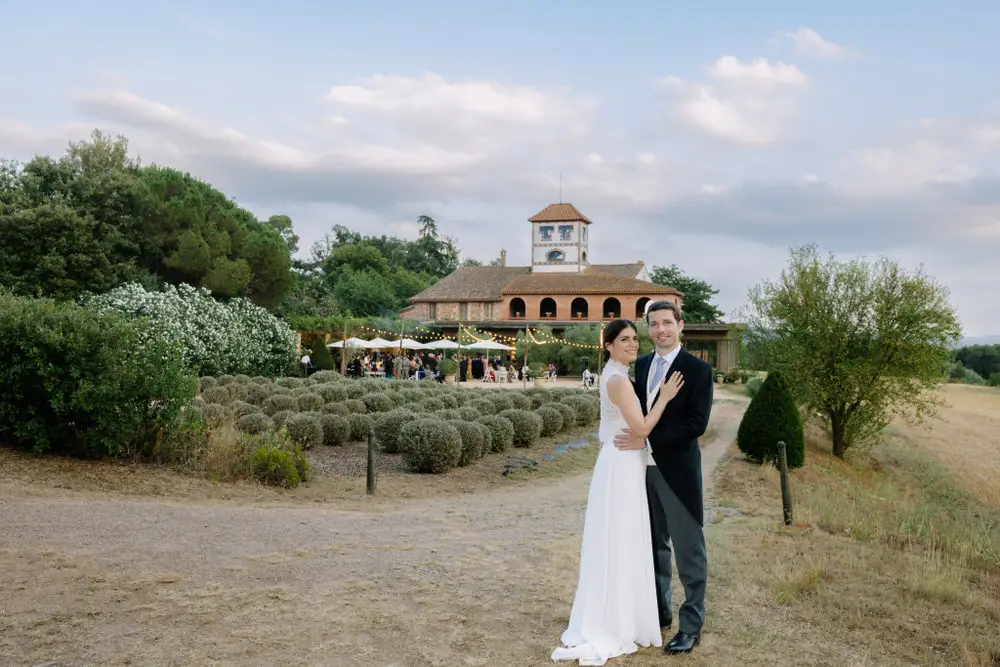
Traditional stone architecture, gardens, olive trees, and the surrounding countryside create a distinctive character. I particularly enjoy photographing weddings in these settings because the environment adds atmosphere without needing to dominate every photograph.
Penedès: Vineyard weddings near Barcelona
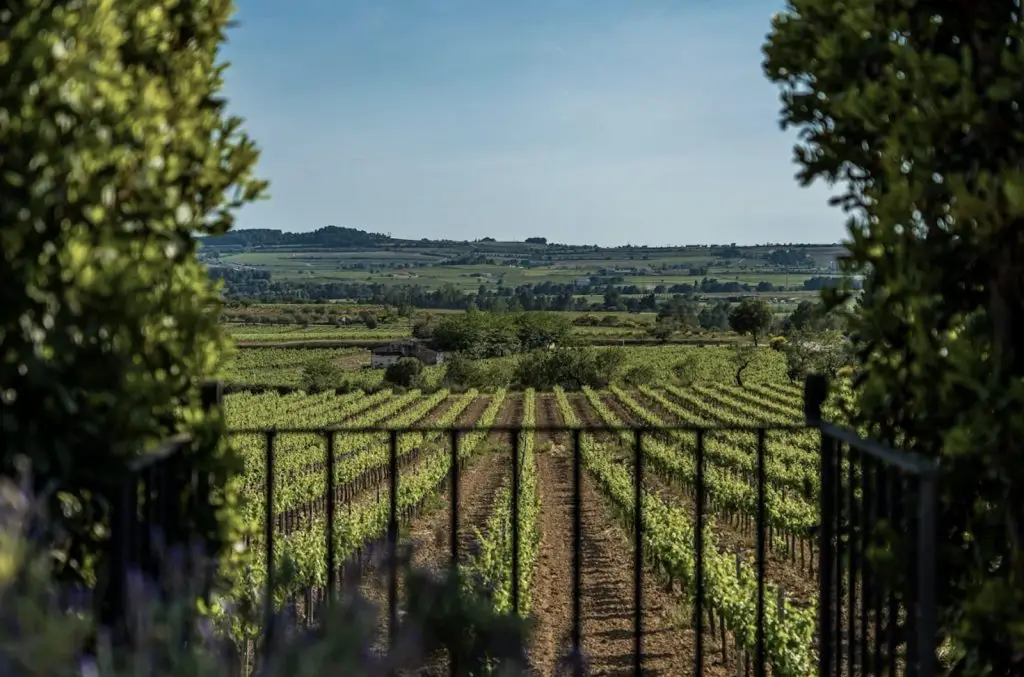
If you love vineyards and a countryside atmosphere, Penedès is another region worth considering. Located relatively close to Barcelona, it’s known for its wine-producing landscape and offers a different experience from the coastline or the city.
Vineyard weddings can be especially beautiful when the surrounding landscape is part of the celebration. However, vineyards change dramatically throughout the year. The appearance of the vines in early spring is very different from late summer or autumn, so it’s important to understand how the venue will look around your wedding date.
From a photography perspective, these locations can offer beautiful natural textures, open landscapes, and warm evening light. They also work particularly well for couples who want a countryside wedding while remaining reasonably accessible to guests staying in Barcelona.
Inland Catalonia and the Pyrenees
Catalonia also offers extraordinary wedding locations farther inland and in the mountains. Historic country estates, castles, forests, and mountain landscapes can create a more secluded destination wedding experience.
These locations can be spectacular, but the climate and transportation requirements may be quite different from those in Barcelona or along the coast. Temperatures can drop more noticeably in the evening, particularly at higher elevations, and driving distances may be longer than expected.
If you’re considering a mountain wedding, I would pay particular attention to seasonal weather, guest accommodations, and the available daylight. A beautiful remote venue can be a wonderful choice as long as the logistics are realistic.
What’s the best time of year for a destination wedding in Catalonia?
One of the most common questions I receive from couples planning their wedding from abroad is when they should get married in Catalonia. Many automatically assume that July or August must be the best months because they’re associated with summer holidays and Mediterranean sunshine.
In reality, my favorite months for weddings in Catalonia are generally April, May, September, and October. They often offer a very good balance of natural light, pleasant temperatures, and comfortable conditions for guests. Of course, the ideal month depends on your venue, location, and priorities.
Spring weddings: April and May
Spring is one of my favorite seasons for weddings in Catalonia. The landscape is often green, flowers are in bloom, and temperatures are generally more comfortable than during the hottest summer months.
April and May can be particularly beautiful for outdoor ceremonies, garden receptions, and countryside weddings. The daylight also allows plenty of flexibility for photography, especially compared with the shorter days of winter.
However, spring weather can be unpredictable, and rain is always a possibility. It’s important to choose a venue with an indoor alternative that you genuinely like.
Summer weddings: June, July, and August
Summer offers long days and plenty of opportunities for outdoor celebrations. It’s a popular season for international weddings, especially for couples who want a Mediterranean atmosphere with warm evenings and late sunsets.
However, the heat can become a serious consideration. During particularly hot periods, afternoon temperatures can make outdoor ceremonies uncomfortable, especially for older guests, children, and anyone wearing formal clothing.
If you’re planning a summer wedding, I recommend paying close attention to shade, hydration, ceremony timing, and the comfort of your guests. A ceremony scheduled later in the afternoon may be much more enjoyable than one taking place under direct sunlight during the hottest part of the day.
Fall weddings: September and October
September and October are also excellent months for destination weddings in Catalonia. The weather can still be pleasantly warm, particularly in coastal areas, while the lower sun creates beautiful light for photography.
These months can work particularly well for countryside estates, vineyards, and Mediterranean venues. The shorter daylight compared with midsummer also means it’s important to plan the ceremony and cocktail hour with sunset in mind.
Because these are popular wedding months, desirable venues and photographers may have limited availability on Saturdays.
Winter weddings: November through March
Winter is often overlooked by couples planning a wedding in Spain, but I think it deserves more consideration. Barcelona and some coastal locations can experience relatively mild winter days, although evenings are colder and daylight hours are much shorter.
Winter weddings can work beautifully in historic hotels, city venues, restaurants, and estates with attractive indoor spaces. There’s something particularly elegant about a winter celebration with warm lighting, candles, and beautiful interiors.
You may also find greater availability among venues and suppliers, particularly compared with peak-season Saturdays. The important thing is to plan realistically around daylight and temperature rather than expecting summer conditions.
If you’re still choosing your date, I’ve also written a more detailed guide about the best time of year to get married in Catalonia.
Always have a good backup plan for the weather
One of the mistakes couples can make when planning a wedding in Spain is assuming that sunshine is guaranteed. Catalonia enjoys a Mediterranean climate, but rain, summer storms, wind, and unexpected temperature changes are still possible.
Rather than trying to choose a date when bad weather is impossible, I recommend choosing a venue where you would be equally happy with the outdoor and indoor arrangements. A beautiful indoor ceremony space can make an enormous difference to how relaxed you feel during the days leading up to the wedding.
I’ve always believed that a good backup plan is something you should be comfortable using, not simply an emergency solution. If the weather changes, the wedding should still feel like the celebration you planned.
From a photography perspective, rain doesn’t necessarily mean disappointing photographs. Soft overcast light can be wonderful for portraits, and beautiful interiors can provide opportunities that wouldn’t exist at an entirely outdoor venue.
The goal isn’t to control the weather. It’s to make sure the wedding works beautifully regardless of what happens.
Plan your wedding timeline around natural light
One of the most important details when organizing destination wedding photography in Catalonia is understanding how daylight changes throughout the year. A ceremony at 5:00 p.m. in June gives you a completely different amount of natural light than a ceremony at the same time in December.
If you’re planning your wedding from abroad, I strongly recommend checking the sunset time for your specific date and location before confirming the ceremony schedule. This is especially important if you want outdoor couple portraits, natural-light family photographs, or a cocktail reception that takes place before dark.
Why sunset times matter
Natural light changes throughout the day, and the quality of that light affects the appearance of your photographs. Bright midday sunlight can create strong shadows, while the softer light of late afternoon is often more flattering for portraits.
The period shortly before sunset, commonly known as golden hour, can produce particularly beautiful photographs. The light becomes warmer and softer, which can work wonderfully for couple portraits, especially in Mediterranean landscapes.
However, the exact sunset time isn’t the only thing that matters. A mountain, building, line of trees, or surrounding hill can block direct sunlight earlier than the published sunset time. This is another reason why local experience and understanding your venue can be valuable.
Don’t organize the entire wedding around photography
Although I care enormously about beautiful light, I don’t think your entire wedding schedule should revolve around photographs. The most important thing is enjoying the celebration with your family and friends.
My approach is to find small opportunities within the schedule rather than creating long interruptions. With thoughtful planning, we can usually capture beautiful portraits without making you miss the moments you actually want to experience.
Keep your wedding couple session short and natural
One of the advantages of a destination wedding in Catalonia is that the surroundings can be spectacular. It’s tempting to imagine spending an hour taking portraits around the venue, particularly if you’re getting married overlooking the Mediterranean or in a beautiful historic estate.
But I generally recommend keeping the couple session relatively short. Your guests may have traveled thousands of miles to celebrate with you, and I don’t think you should spend a large part of your wedding day away from them.
My approach to couple portraits
I usually prefer taking some photographs together shortly after the ceremony, while guests are enjoying the cocktail hour. This gives us an opportunity to create a combination of natural portraits and more carefully composed photographs without interrupting the celebration for too long.
If the evening light becomes particularly beautiful, I may suggest stepping away again for five or ten minutes around sunset. Those few minutes can produce wonderful photographs, especially at venues with attractive outdoor spaces.
The important thing is that the experience feels relaxed. I don’t expect you to know how to pose, and I certainly don’t want you to feel as though you’re taking part in an extended fashion shoot.
I want you to recognize yourselves in the photographs, while also creating a few portraits that feel especially beautiful.
Consider getting married on a weekday
This is one of the most useful recommendations I can give couples organizing a destination wedding in Catalonia: your wedding doesn’t have to take place on a Saturday.
Many couples automatically start looking for Friday or Saturday dates because that’s how weddings are traditionally organized in their home country. But destination weddings often involve different circumstances.
If your guests are flying from the United States, the United Kingdom, or another country, most of them will probably need to take several days off work anyway. Whether the actual wedding happens on Wednesday or Saturday may not make a significant difference to their travel plans.
Better availability and more flexibility
Choosing a weekday can open up additional possibilities. Popular venues, wedding planners, photographers, and other suppliers may have more availability during the week than on peak-season Saturdays.
Depending on the venue, you might also find different prices or booking conditions. This isn’t guaranteed, but it’s always worth asking before limiting your search to weekends.
A weekday wedding can also work beautifully within a longer celebration. You could organize a welcome dinner on Tuesday, the wedding on Wednesday, and a relaxed brunch or beach day on Thursday.
Of course, you should consider your guests’ personal circumstances, especially if some have limited vacation time. But if everyone is already planning an international trip, keeping your wedding date flexible can be a real advantage.
How to organize photography for a multi-day destination wedding
Many destination weddings in Catalonia are more than a single-day celebration. Couples often take advantage of the fact that friends and family have traveled from abroad to organize several events around the wedding.
You might host a welcome dinner, an informal gathering the evening before, a pool party, or a farewell brunch. These events create additional opportunities to spend time with people you may not see very often.
They can also produce some of the most personal photographs of the entire trip.
Welcome parties and rehearsal dinners
A welcome party is often the first moment when friends and family from different countries come together. The atmosphere is usually more relaxed than on the wedding day, and guests have time to catch up, enjoy the surroundings, and celebrate without a strict schedule.
From a photography perspective, these gatherings can be wonderful. I focus on natural interactions, group photographs, the atmosphere of the location, and any important speeches or moments you’ve planned.
You don’t necessarily need the same number of photography hours as on the wedding day. A shorter coverage period may be enough to preserve the most meaningful parts of the evening.
The wedding day
The main wedding day naturally receives the most complete coverage. I want to document the story from the preparations through the ceremony, cocktail hour, dinner, speeches, and celebration.
This includes the big moments, but also everything that happens between them. A spontaneous conversation, an emotional reaction, or a small interaction between family members can become just as meaningful as the more traditional photographs.
Farewell brunches and post-wedding gatherings
The day after the wedding often has a completely different atmosphere. Everyone is more relaxed, conversations continue, and the pressure of the main celebration has disappeared.
If you’re organizing a farewell brunch or another gathering, photography can be a lovely addition, particularly when your guests have traveled a long distance. However, I wouldn’t automatically recommend booking extensive coverage for every event.
The best approach is to identify which parts of the celebration are genuinely important to you and build the photography proposal around those moments.
Give yourselves time to arrive and settle in
If you’re traveling internationally for your wedding, I would avoid arriving in Catalonia at the last possible moment. Flights can be delayed, luggage can go missing, and long journeys can be exhausting, particularly when you’re coming from North America.
Having some breathing room before the wedding gives you time to recover from the journey, meet your planner, review any final arrangements, and enjoy the place you’ve chosen.
I think this is especially important for couples organizing several wedding events. Arriving only a few hours before a welcome dinner can create unnecessary stress, while arriving a day or two earlier may make the entire experience feel much calmer.
A destination wedding should be something you enjoy from the moment you arrive, not a race to complete the final preparations.
Think carefully about guest transportation
Transportation isn’t the most exciting part of destination wedding planning, but it can have a major impact on your guests’ experience. A beautiful venue in the countryside may look perfect in photographs, but getting everyone there and back requires some thought.
If guests are staying in Barcelona while the wedding takes place outside the city, arranging private transportation may be much easier than asking everyone to book taxis or rental cars. This becomes particularly important at the end of the evening, when public transportation may be limited and guests may have been drinking.
If your ceremony and reception are in different locations, remember to account for the actual time required to move everyone. The driving time shown on a map doesn’t necessarily include traffic, boarding buses, walking between spaces, or unexpected delays.
Transportation also affects the photography schedule. A realistic timeline helps me understand when important events will happen and ensures we don’t lose valuable time because of avoidable logistical problems.
Is a wedding planner necessary for a destination wedding in Catalonia?
I don’t believe every wedding needs a planner, but destination weddings often benefit enormously from having a professional who knows the region and its suppliers.
A good local wedding planner can help with venue selection, supplier coordination, contracts, transportation, scheduling, and countless practical details that are difficult to manage from another country.
From my perspective as a photographer, working with an experienced planner usually makes the wedding day run more smoothly. We can coordinate the timeline, anticipate important moments, and make sure transitions between different parts of the celebration happen naturally.
What if you don’t have a wedding planner?
If you’ve decided not to hire a planner, I recommend making sure the venue has someone responsible for coordinating the day’s schedule. There should be a clear point of contact for suppliers, unexpected changes, and practical decisions.
What I would avoid is giving that responsibility to a close family member or friend. They’ve traveled to celebrate with you, and they should be able to enjoy the experience rather than spend the day solving logistical problems.
Good coordination should happen mostly behind the scenes. The better everything is organized beforehand, the less you’ll need to think about it during the wedding.
Tell your photographer about cultural traditions and important moments
One of my favorite things about destination weddings is the opportunity to photograph celebrations that bring together different cultures, families, and traditions.
An international wedding might include elements from two different countries, religious customs, traditional dances, special speeches, or rituals that aren’t commonly seen at local weddings in Spain.
These moments make every wedding unique, and I always appreciate knowing about them beforehand.
You don’t need to explain every detail of the ceremony or translate every speech. But it’s helpful to tell me when an important tradition will take place, who will be involved, and what it means to you.
Documentary wedding photography relies heavily on anticipation. I don’t need to interrupt or control a meaningful moment, but I do need to recognize when it’s about to happen so I can photograph it properly.
The more I understand your celebration, the better I can tell its story.
Photography permits and restrictions in Catalonia
Another detail worth considering is that not every beautiful location is automatically available for professional photography.
Private venues usually establish their own photography conditions, while public monuments, historic buildings, churches, beaches, and protected natural spaces may have specific restrictions or permit requirements.
If you’re imagining wedding portraits at a particular landmark or somewhere outside your wedding venue, it’s important to check the current rules before including that location in your plans.
This is especially relevant in Barcelona, where popular architectural attractions and public spaces may have restrictions depending on the type of photographic activity.
Religious ceremonies can also involve specific guidelines. Some churches allow photographers considerable freedom, while others restrict movement or limit where photographs can be taken.
I always prefer understanding these conditions in advance so the photography can respect the location and the ceremony without unnecessary interruptions.
When should you book your destination wedding photographer?
There’s no universal answer to how far in advance you should book your photographer. Availability depends on the date, the season, and how flexible you can be.
A Saturday in May, September, or October may be booked much earlier than a weekday during winter. If you’ve chosen a popular venue and already have your wedding date confirmed, I recommend contacting the photographers whose work you love rather than waiting until every other detail has been organized.
Booking your photographer relatively early also gives you the opportunity to discuss the timeline and photography priorities before the schedule becomes too difficult to change.
If you’re flexible with weekdays or considering a date outside the most popular wedding months, you may have more options even with a shorter planning period.
Ultimately, I believe choosing the right photographer is more important than booking the first person who happens to be available. You’ll spend a significant part of your wedding day together, so you should feel comfortable with their personality, confident in their experience, and genuinely connected to their work.
What should destination wedding photography in Catalonia look like?
For me, destination wedding photography should tell the complete story of your wedding, not simply create a collection of beautiful photographs showing where it took place.
Of course, Catalonia has incredible landscapes, architecture, and natural light, and I want those elements to appear in your photographs. The setting is part of the reason you’ve chosen to get married here, and it deserves to be documented.
But the people are always more important than the location.
If your wedding takes place at a spectacular coastal venue and I capture beautiful photographs of the Mediterranean but miss your father’s reaction during the ceremony, I’ve focused on the wrong thing.
My approach combines documentary photography with an editorial eye for composition, light, and detail. Most of the day is about observing what happens naturally, anticipating moments, and creating images that feel genuine. When appropriate, I’ll offer a little direction for portraits, but I don’t want the photography to take over your celebration.
The result should be a collection of photographs that shows the beauty of Catalonia while also telling the personal story of the people who gathered there to celebrate with you.
Frequently asked questions about destination wedding photography in Catalonia
Is Catalonia a good destination for an international wedding?
Yes. Catalonia offers an exceptional variety of wedding settings, from Barcelona and the Mediterranean coastline to vineyards, countryside estates, and mountain venues. Its international transportation connections, accommodation options, and experienced wedding suppliers make it an attractive destination for couples traveling from abroad.
What’s the best month to get married in Catalonia?
My favorite months are generally April, May, September, and October because they often provide a good balance of comfortable temperatures and natural light. June, July, and August can also be beautiful, although summer heat may be an important consideration. Winter weddings are worth exploring, particularly if you prefer an elegant indoor venue or greater date flexibility.
Should we hire a local wedding photographer in Barcelona or Catalonia?
Hiring a local photographer can offer practical advantages, including familiarity with venues, regional lighting conditions, seasonal weather, and local logistics. It may also reduce international travel expenses. However, the most important factors should always be the photographer’s work, experience, and whether you feel comfortable together.
Can we get married in Catalonia on a weekday?
Absolutely. Weekday weddings can be an excellent option for international couples, especially when guests are already traveling for several days. You may find more availability among venues and suppliers and, in some cases, different pricing or booking conditions.
How many days of wedding photography do we need?
That depends on your plans. The main wedding day typically requires the most extensive coverage, while welcome parties, rehearsal dinners, and farewell gatherings may only need a few hours. I recommend choosing coverage based on the moments you genuinely want to remember rather than automatically photographing every event for an entire day.
Can you photograph our wedding if we don’t speak Spanish?
Yes. I work in English, Spanish, and Catalan, and I regularly photograph weddings involving international couples and guests. We can organize the planning and communication in English, so speaking Spanish isn’t necessary.
What happens if it rains on our wedding day?
The best approach is to choose a venue with an indoor alternative that you genuinely like. Rain doesn’t necessarily prevent beautiful wedding photography, and soft natural light or attractive indoor spaces can create wonderful opportunities. Good planning is much more useful than trying to choose a date when rain is impossible.
How much time should we allow for couple portraits?
I generally prefer keeping couple portraits relatively short so you can enjoy the celebration with your guests. We can take photographs after the ceremony and, if the evening light is particularly beautiful, step away again for five or ten minutes around sunset. The exact timing depends on your venue and wedding schedule.
Do we need a wedding planner for a destination wedding in Spain?
Not necessarily, but a local planner can be extremely helpful when organizing a wedding from another country. They can coordinate venues, suppliers, transportation, and schedules while helping you avoid common logistical problems. If you don’t have a planner, make sure someone at the venue is responsible for coordinating the day.
How far in advance should we book a destination wedding photographer?
It depends on your date and how flexible you are. Popular Saturdays during spring and fall may book well in advance, while weekdays and winter dates can offer more availability. Once your venue and wedding date are confirmed, I’d recommend contacting the photographers whose work you love.
Do we need to visit our wedding venue before the wedding?
Visiting the venue can be helpful, but it isn’t always essential. Many international couples organize much of their wedding remotely, using video calls, photographs, and advice from their planner or venue coordinator. The important thing is understanding the layout, available spaces, ceremony arrangements, and weather alternatives before the wedding.
My final advice for planning a destination wedding in Catalonia
If you’re planning a destination wedding in Catalonia, my biggest recommendation is to make decisions based on the experience you actually want rather than what a destination wedding is supposed to look like.
You don’t necessarily need a summer wedding, a Saturday date, an elaborate three-day schedule, or an hour-long portrait session overlooking the Mediterranean. What you do need is a venue that suits your celebration, a realistic schedule, comfortable arrangements for your guests, and a team of professionals who understand how everything fits together.
I also believe it’s important to leave some space in your wedding day. When people have traveled thousands of miles to celebrate with you, the most meaningful moments often happen naturally: an unexpected conversation, a spontaneous hug, friends laughing together, or a quiet moment with your family.
Those are the memories I want to preserve. The beauty of Catalonia gives your wedding a wonderful setting, but the people and the relationships between them are what make your photographs truly personal.
The best destination weddings I’ve photographed don’t feel like an event that’s simply been transported from another country to Spain. They feel like a celebration that could only have happened in that particular place, with those particular people, at that particular moment.
And that’s exactly the story I want your wedding photographs to tell.
Looking for a destination wedding photographer in Catalonia?
I’m Alejandro Cebrián, the photographer behind Sunnydays, based in Barcelona. I’ve spent more than ten years photographing weddings throughout Catalonia, including Barcelona, the Costa Brava, Girona, and other beautiful locations across Spain.
My photography combines a natural, documentary approach with an editorial sense of light, composition, and detail. I believe the best wedding photographs are the ones that capture genuine moments while allowing you to enjoy the day without feeling constantly directed by a camera.
If you’re planning a destination wedding in Catalonia and you’re looking for a photographer who knows the region, understands international weddings, and cares about capturing your celebration naturally, I’d love to hear about your plans.
You can start by exploring my portfolio to see how I photograph real weddings, from intimate celebrations to larger destination events.
Explore my wedding photography portfolio
And if you like my work, tell me a little about yourselves, your wedding date, and the location you’re considering. Whether you’ve already chosen your venue or you’re still exploring the possibilities, I’d be happy to discuss your plans and check my availability.