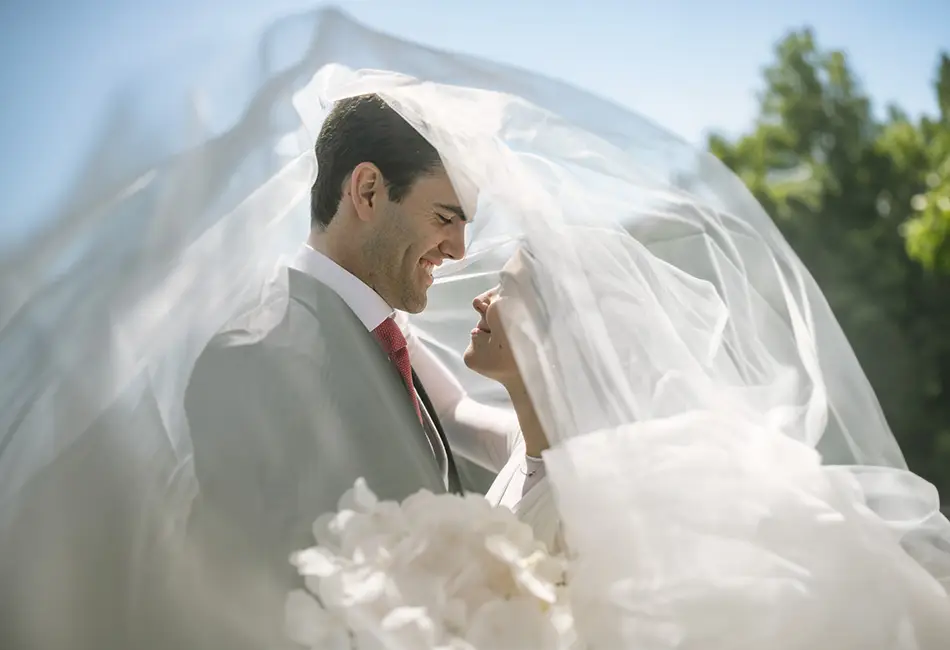
By Alejandro Cebrián · Sunnydays Fotografía
Your ceremony is usually the most important part of the wedding and the one I have the least control over. I can't ask the officiant to pause a vow because someone stepped in front of my camera. I can't repeat the expression your partner makes when they see you or the moment your families react. That is exactly why ceremony photography depends on preparation and anticipation as much as on a good eye.
Couples often ask what photographs they'll receive from the ceremony and whether they need to organize anything. Most of the time, you don't need to stage a single moment. What helps is a sensible plan, clear information about the space, and a photographer who knows how to work without becoming part of the performance.
Before the ceremony begins
The story starts before anyone walks down the aisle. Guests arrive, greet one another, look for their seats, and take in the space. Some people are relaxed; others are emotional before anything has happened. I like photographing those small moments as well as a few wider images of the ceremony setting.
I also pay attention to where the couple will stand, where natural light is coming from, and whether a clear view will be possible. If the ceremony is outdoors, the position of the sun matters. If it's inside a church or historic building, movement and flash may be restricted. Knowing those details ahead of time helps me anticipate rather than improvise loudly in the middle of a meaningful service.
The entrance and processional
The entrance can involve several important moments within seconds: a partner waiting, someone taking a deep breath, a parent giving an arm, and guests turning to look. I want to record that sequence without interrupting it. This is one reason a second photographer can be useful at some weddings, since reactions may happen at the same time in opposite directions.
I wouldn't ask you to walk more slowly than feels natural for the sake of the camera. If there's an unusually narrow aisle or a complicated procession, tell the photographer beforehand. A little planning can prevent practical problems while preserving the real emotion of the entrance.
The aisle itself also matters for access. Some venues allow photographers to move discreetly at the back or sides; others keep them in a designated spot. A professional should know what is allowed rather than assume the best angle is automatically available.
Vows, readings, rings and reactions
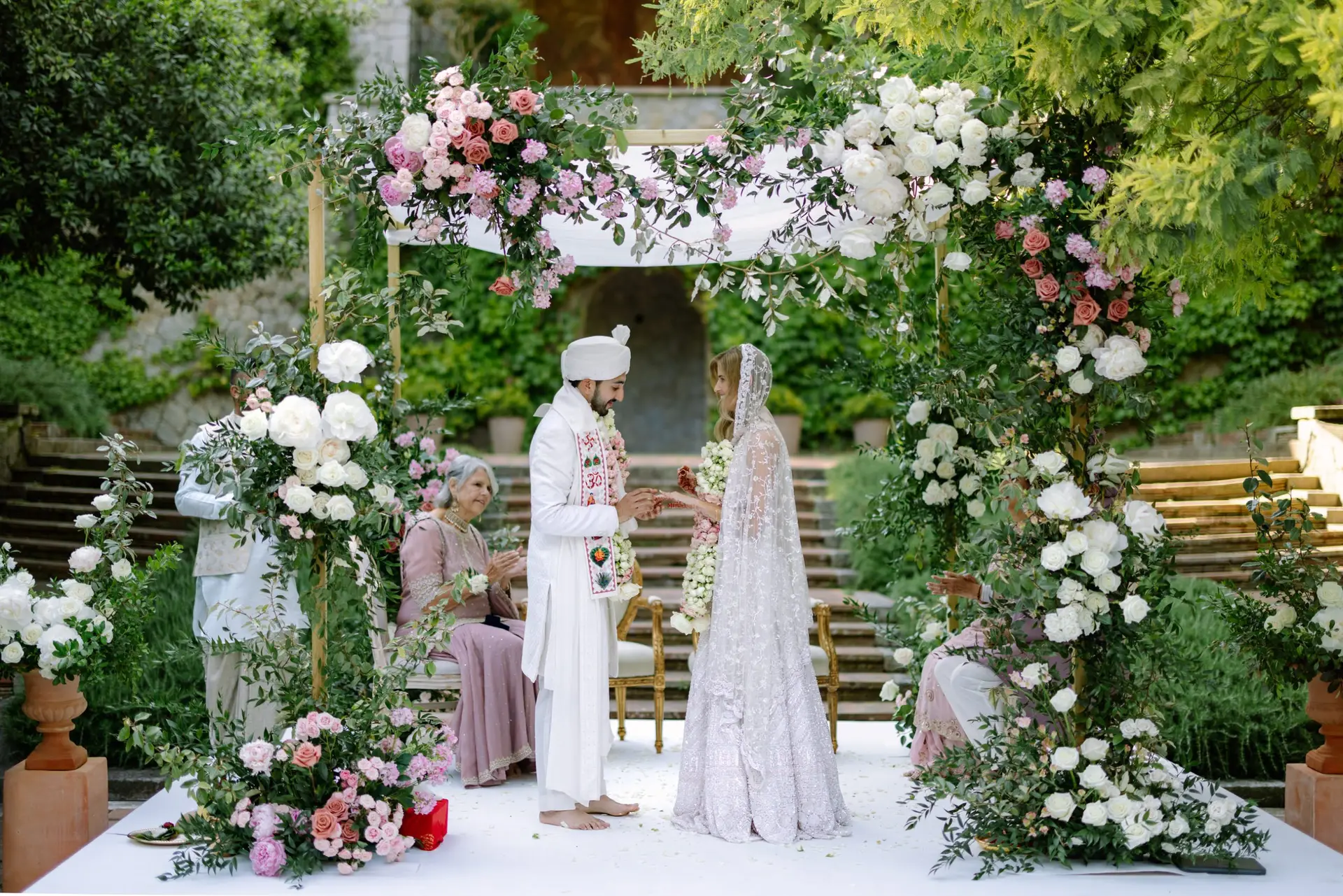
These are the moments when I try to be most attentive and least noticeable. I look for hands, eye contact, a smile that arrives unexpectedly, and the reactions of people who are listening. Some ceremonies are formal and quiet, while others are full of laughter. The photographs should reflect whichever kind of ceremony you actually have.
There can be several stories happening at once. A reading may move a parent in the first row while the couple is looking toward the speaker. Two photographers can offer more simultaneous perspectives, but the value depends on the ceremony space, guest count, and restrictions. It isn't a mandatory upgrade for every intimate wedding.
If there is a cultural or religious element you particularly care about, tell me what will happen and approximately when. I don't need to choreograph it; I need to recognize its importance. The same applies to a family heirloom, a meaningful song, or a private gesture with a specific person.
The kiss and the walk back down the aisle
These are moments that happen quickly, and a photographer needs a clear view. It helps when the person conducting the ceremony knows where they plan to stand, although that decision always belongs to the couple and officiant. I would never ask someone to change a solemn ritual simply to improve my composition.
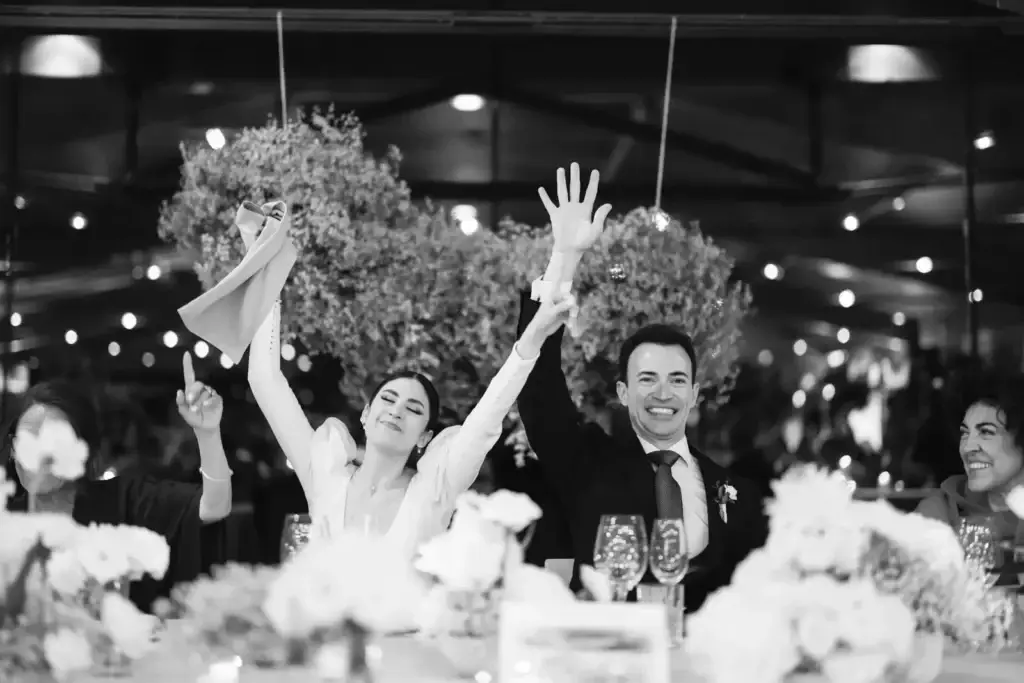
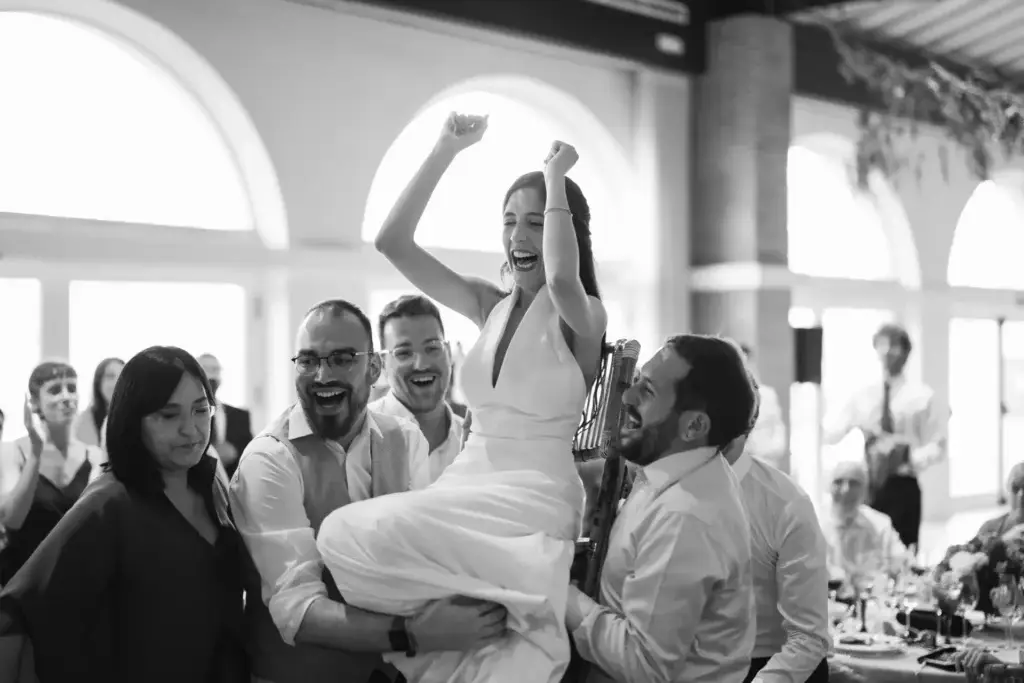
After the ceremony, reactions often become wonderfully spontaneous. Guests cheer, the couple smiles at one another, someone reaches in for a hug. I love that transition because the formal part of the day gives way to genuine relief and celebration. It's a good reason not to turn the recessional into a second posed shoot.
Outdoor ceremonies and difficult sunlight
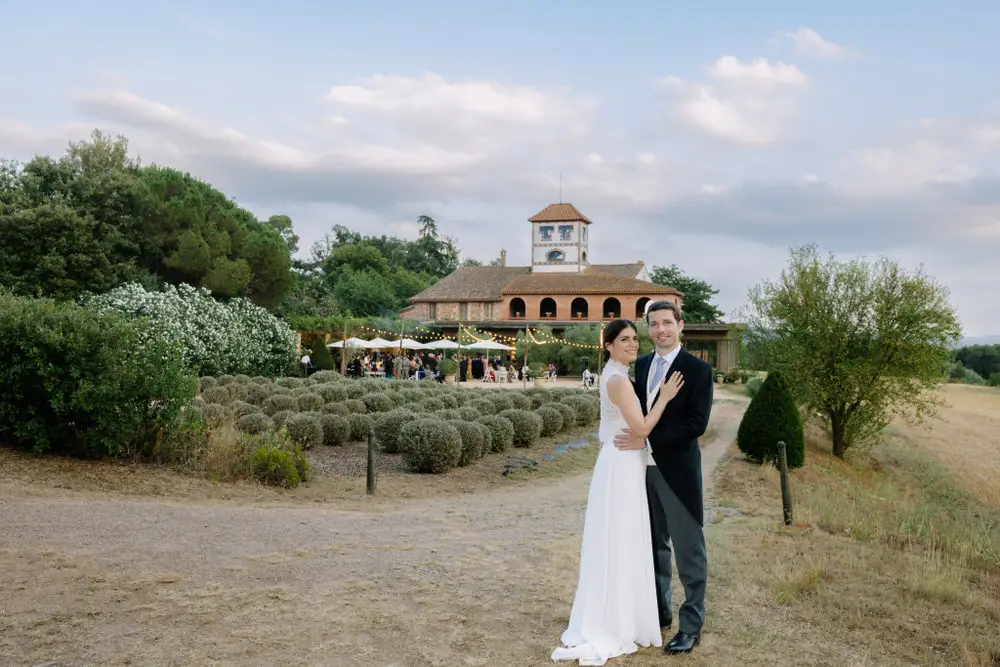
An outdoor ceremony in full sun can produce high contrast and sharp shadows. That isn't a disaster, but the orientation of the ceremony and the amount of even shade make a difference. A small patch of tree shadow falling over just one partner's face can be more problematic than both standing in consistent sunlight.
If you can, visit or ask the venue about the light at the actual ceremony time. Don't rely on a photograph taken several hours earlier or in a different season. A photographer experienced in challenging light will adapt, but small layout decisions may prevent unnecessary difficulties.
Churches, religious ceremonies and venue restrictions
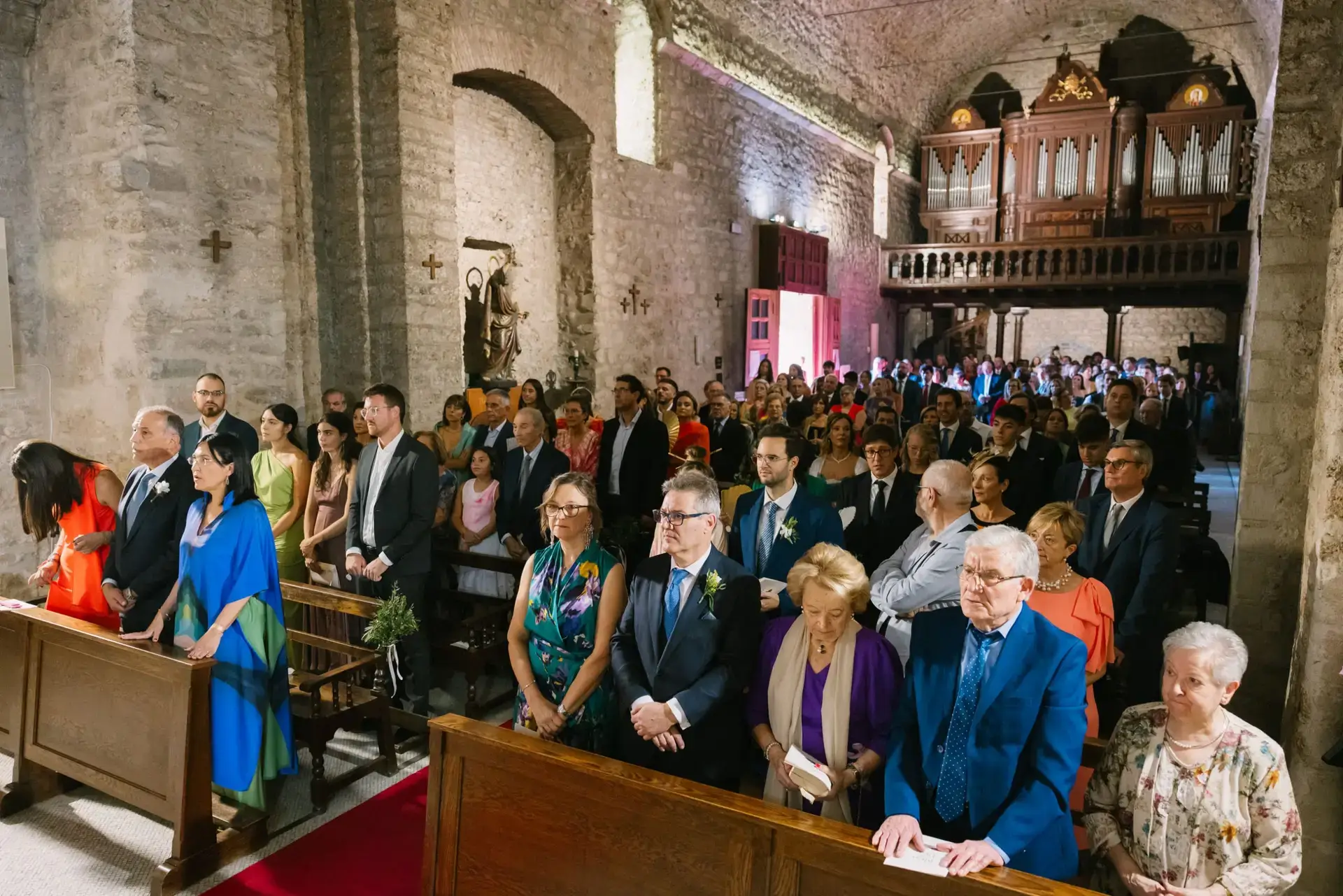
Some churches and ceremonial spaces specify where photographers can stand, when they may move, and whether they can use flash. In certain settings, they may also limit photography during particular parts of the service. Those rules should be respected, even if they reduce the variety of available angles.
If you're planning a religious ceremony, ask the celebrant or coordinator about photography expectations in advance. Share that information with your photographer rather than discovering it at the doorway. A discreet conversation before the wedding is much better than a disagreement during the ceremony.
The same principle applies to civil ceremonies and small venues with tight aisles. Accessibility, safety, and guests' views matter. Good photography should fit into the space without becoming an obstacle.
Do you need a ceremony shot list?
Not a list of every predictable event. A professional wedding photographer already knows to look for the processional, vows, rings, reactions, kiss, and recessional. An exhaustive checklist can pull attention away from what is unfolding naturally.
A short note about genuinely specific moments is much more useful. Tell me if your grandmother is doing a reading, if you have a ritual unfamiliar to me, or if a guest has an important role I might not otherwise recognize. That information helps me understand your ceremony without turning it into a script.
Where the photographer should stand
There is no universally correct position, because ceremony layouts vary so much. I want to be able to see faces and reactions while staying out of the couple's sightline as much as possible. I also avoid moving unnecessarily during quiet readings or vows. The camera may be silent, but a person walking back and forth can still be distracting.
This is another good reason to ask for complete galleries. You can see whether a photographer captures both the overall atmosphere and the small emotions without relying on dramatically staged angles. A portfolio close-up of a kiss tells only part of that story.
Frequently asked questions
Will you photograph every guest during the ceremony?
Not necessarily, and it shouldn't be the priority. I look for meaningful reactions and a sense of the gathering while concentrating on the central moments. If photographing particular people is important, tell the photographer in advance.
Can we ask guests not to use their phones?
Of course. An unplugged ceremony can help everyone stay present and may reduce screens appearing in the aisle, but it is a personal choice. If you do want it, the officiant can make a friendly announcement before the entrance.
What if it rains during an outdoor ceremony?
The venue should have a realistic alternative and a decision deadline. A covered location may change lighting and camera positions, so tell the photographer about the backup plan. The ceremony remains the priority; the plan should keep you and your guests comfortable.
The photographs I hope you remember
Years later, I want you to see the people who stood beside you, the expressions you may not have noticed, and the feeling of that particular ceremony. I work on the technical side so you don't have to think about it. If you're planning a wedding in Catalonia or farther afield, I'd love to hear what makes your ceremony personal so I can photograph it with that in mind.
For the wider planning context, see planning your wedding timeline.
You can also explore more wedding photography advice.
To see whether my approach fits your wedding, explore my photography portfolio and tell me about your date and venue.