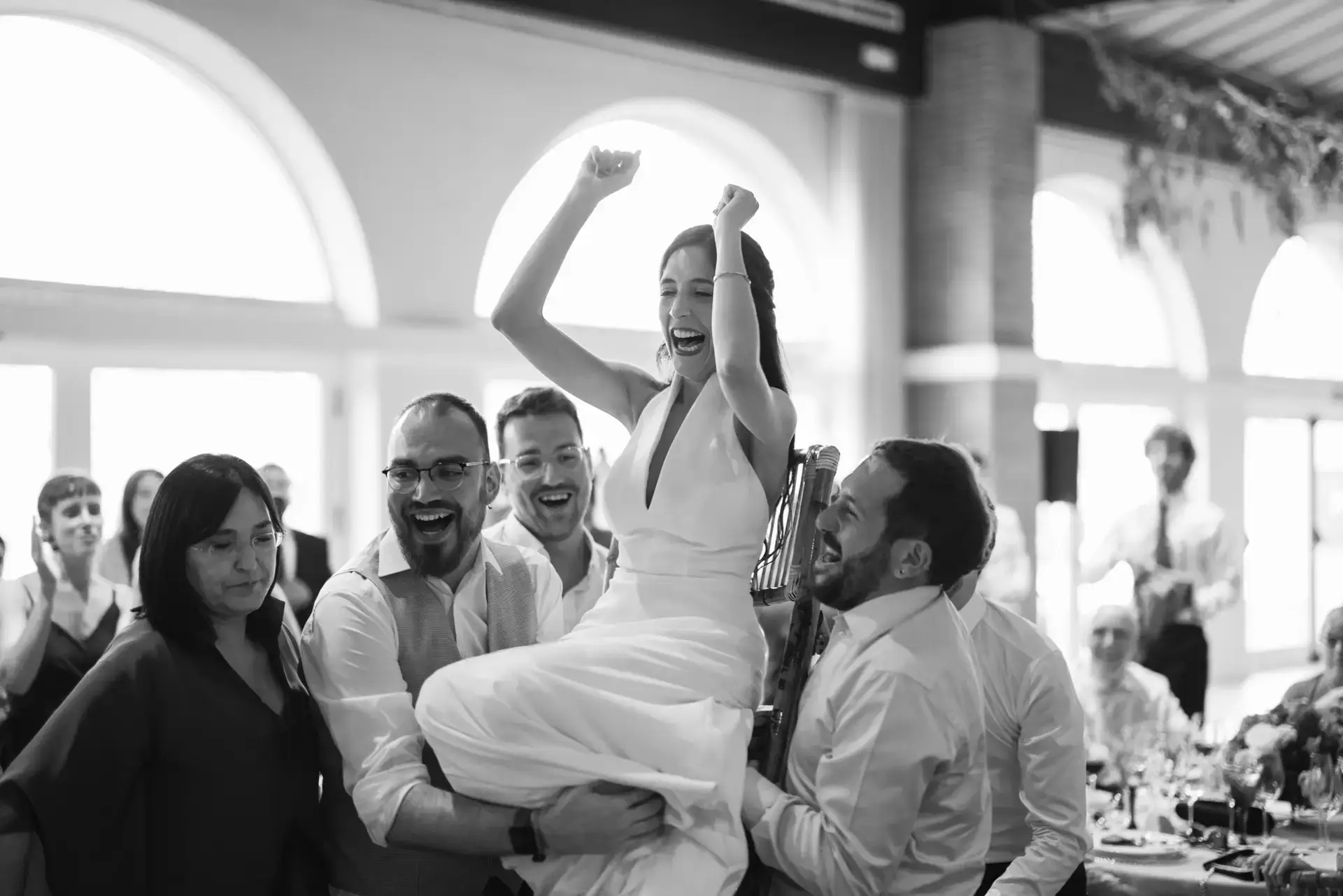
By Alejandro Cebrián · Sunnydays Fotografía
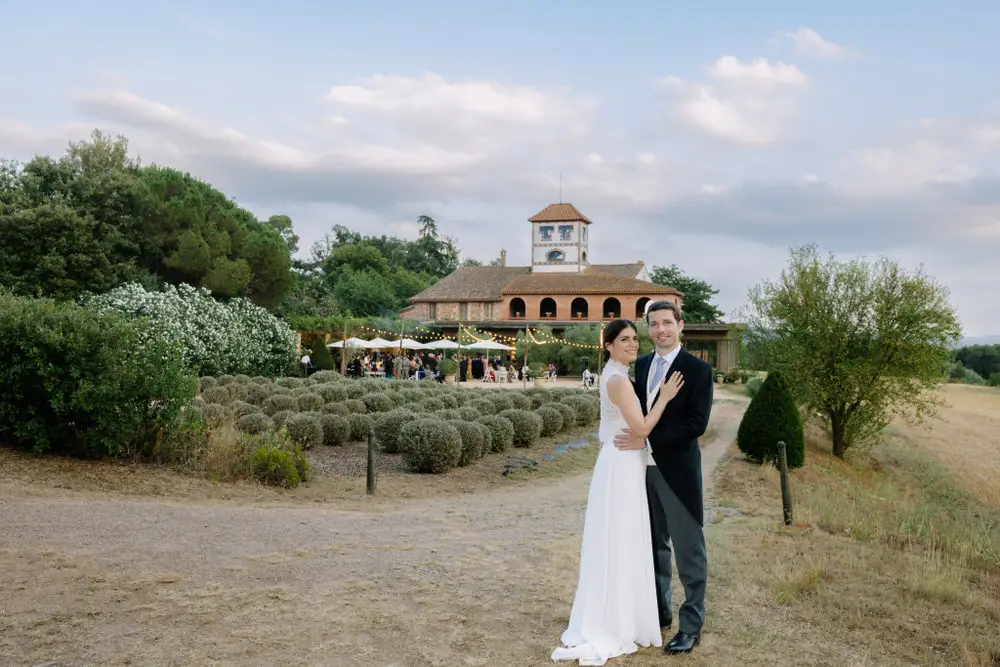
Bridal portraits can be some of the most beautiful photographs in a wedding gallery, but I don't think they should feel like a fashion campaign that takes you away from your own wedding for half an hour. My favorite approach combines a few calm, intentional portraits with images of what the preparations genuinely felt like. You should recognize yourself in the photographs, not wonder who that person is supposed to be.
The phrase bridal portraits can mean slightly different things. Some couples mean individual photographs of the bride in her finished look; others mean a separate portrait session before or after the wedding. Here I'm talking primarily about the short set of individual portraits we can make on the wedding day itself, although the same principles apply to anyone wearing a wedding outfit, regardless of gender.
Why make time for individual portraits?
There are practical reasons. You may have spent months choosing an outfit and details that only exist together for this one day. A portrait can show how they looked, how you carried yourself, and the atmosphere around you just before the ceremony.
But for me, the personal reason is stronger. A wedding gallery includes so much happening around you that it's lovely to have a few photographs in which you are simply present, without a crowd or another event drawing attention. They can feel peaceful even if the morning has been busy.
You don't need dozens of individual images. A strong handful with variation in framing, expression, and light will often tell the story better than thirty nearly identical poses.
The best time is when you're ready, not when the room is perfect
Ideally, we make these photographs after hair, makeup, and dressing are complete, with enough time before departure that nobody is watching the clock anxiously. Five or ten well-planned minutes can be enough. If the schedule is especially tight, I would prioritize your comfort and the ceremony over a large portrait session.
I like to photograph the finished look and then let things move naturally: a parent seeing you for the first time, a friend fastening a clasp, or a last conversation before you leave. Those moments can give the individual portraits context. Planning a little breathing room helps far more than buying additional accessories for the camera.
Some brides choose an individual portrait session days before the wedding, particularly in traditions where displaying a formal bridal portrait is important. That's a different experience with more time and control over location. It can be lovely, but it isn't essential to a complete wedding report.
Light is more important than an impressive room
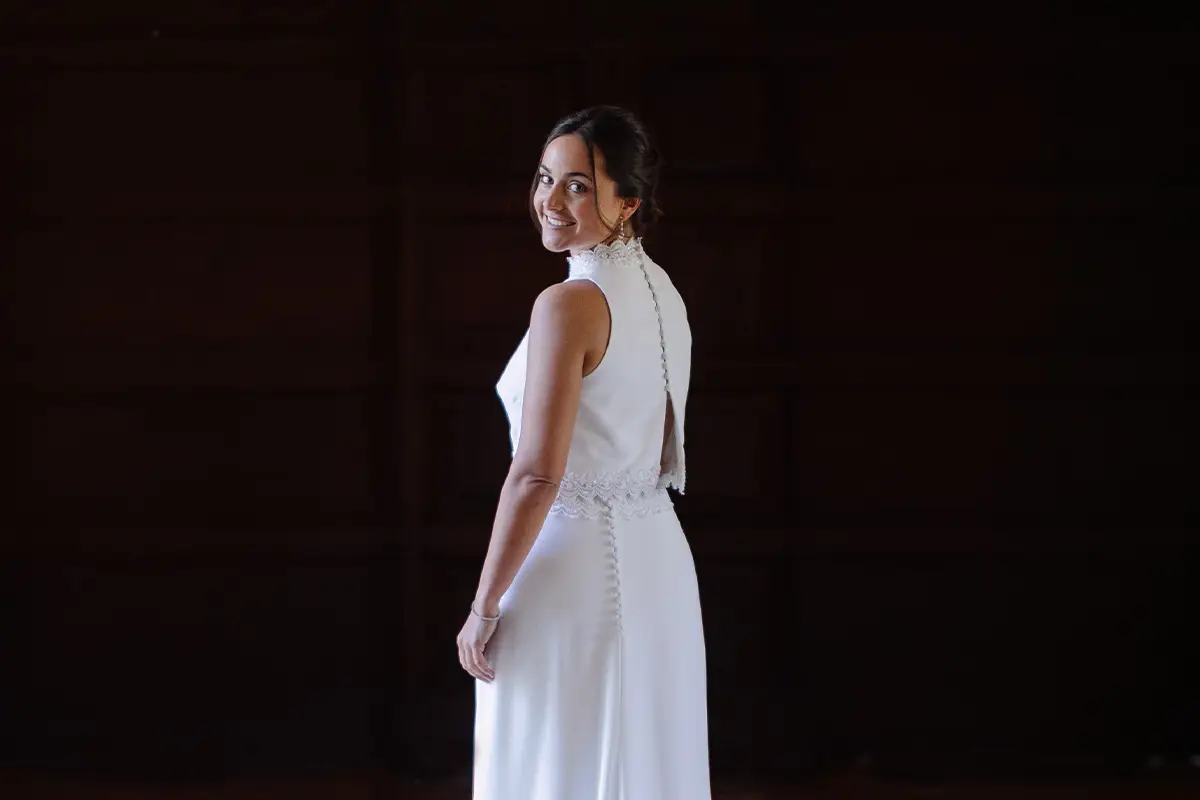
I look for flattering, consistent light and a background that supports the photograph. A window can be wonderful if it gives us enough room to position you naturally. A simple corridor, shaded doorway, or quiet exterior wall may work better than a large but cluttered suite.
That doesn't mean every portrait needs soft light. Direct sunlight, reflections, or a darker room can produce striking images when handled deliberately. I just don't want the lighting experiment to become the thing you remember about the morning.
Before moving furniture or asking the entire room to clear out, I try to see what is already possible. Sometimes a small change in position is all we need. There is rarely a reason to transform your preparations into a full studio setup.
How to look relaxed if you dislike posing
You do not have to know your angles or arrive with an album of poses saved on your phone. I'll give you simple direction when it helps: where the light is, where to stand, what to do with your hands, or when to turn slightly. Then I'll leave enough space for you to settle into it.
You can look at the camera if it feels right; you can also look toward a window, adjust your jacket, or take a breath. The goal isn't to pretend you're unaware of the photographer in every image. It's to make a portrait that feels comfortable and recognizably yours.
If a pose feels awkward, say so. My guide for camera shy couples explains how I adapt the amount of direction. We can change it immediately. A relaxed expression is much more useful than persevering with something that doesn't suit your personality simply because it looks fashionable online.
Photographing the dress and the whole person
A full-length photograph helps show the overall silhouette of a dress or outfit. A closer frame might record a texture, neckline, hands, or expression. I like having both, because the clothes matter and the person wearing them matters more.
If there are meaningful accessories, tell me the story behind them. A family heirloom can be photographed as a detail and, if possible, while you actually wear or use it. That is often more engaging than arranging an elaborate still life with objects that have no particular meaning to you.
I also try to make room for movement. A dress can look entirely different when you're walking or turning to speak to someone. Those natural transitions give portraits energy and keep the gallery from feeling like a catalog of static poses.
Who should be in the room?
Whoever helps you feel like yourself. If you love getting ready surrounded by your closest friends, keep them there. If you need a few quiet minutes, you're allowed to ask for that too. The photographs should reflect the atmosphere you want, not a photographer's preferred number of people.
From a practical perspective, I may ask someone to step aside for one or two frames so the background is clearer. That doesn't mean the whole room has to be controlled. I want the story of the preparations as well as the portrait.
Should we make portraits after the ceremony too?
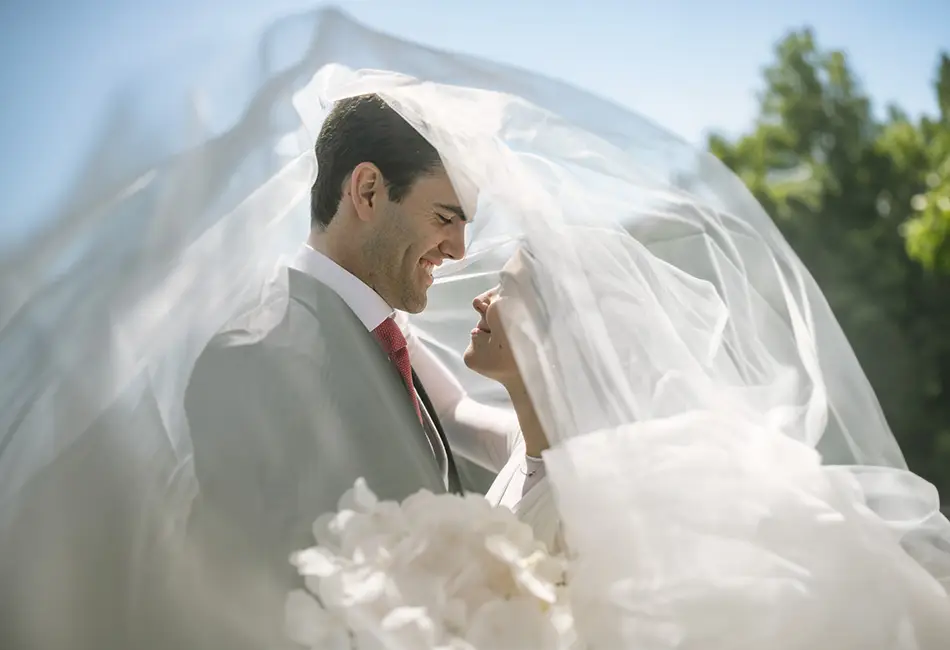
You may want a second look once the ceremony nerves have disappeared. During the couple session, there's often an opportunity to make a few individual photographs of each partner in addition to pictures together. That can be especially good if the morning light was difficult or the schedule didn't allow much time.
Don't feel obliged to repeat all the poses. A relaxed portrait after you've exchanged vows will often have a different expression from one made before the ceremony, and that contrast is part of the story.
Frequently asked questions
How long do bridal portraits take?
A brief set may take five to ten minutes when the location and light are ready. More elaborate portraits need more time. Your photographer should recommend an amount based on the schedule, not promise an exact number of images for each minute.
Do we need a separate bridal portrait session?
No. It's an optional experience that makes sense for some traditions or personal preferences. Most couples can have beautiful individual portraits within their wedding-day coverage.
What if the preparations room is small or dark?
We can work with available light, use suitable lighting when needed, or move a short distance to a better spot if that is comfortable and practical. A beautiful venue is not a prerequisite for an honest, well-made portrait.
A little portrait time, then back to your wedding
Leave a little time once you're dressed, choose surroundings where you feel comfortable, and trust your photographer with the small details of direction. I want you to have portraits that feel beautiful, but also to remember enjoying the day rather than working through a long list of poses. The most important thing in the photograph is still you.
For the wider planning context, see what natural wedding photography feels like.
You can also explore more wedding photography advice.
To see whether my approach fits your wedding, explore my photography portfolio and tell me about your date and venue.