By Alejandro Cebrián · Sunnydays Fotografía
The reception is the part of a wedding where several stories happen at once. Someone is admiring the flowers, friends are meeting for the first time, a parent is preparing a speech, and the light is changing outside. Later, everything may become a lot louder and considerably less predictable. That variety is what makes photographing a reception so enjoyable.
When couples ask what wedding reception photography includes, I don't think a single shot list answers the question. It's about preserving the design and atmosphere of the space while staying close enough to the people to catch what actually happens. The balance changes through the evening, and the photography should change with it.
The room before the guests arrive
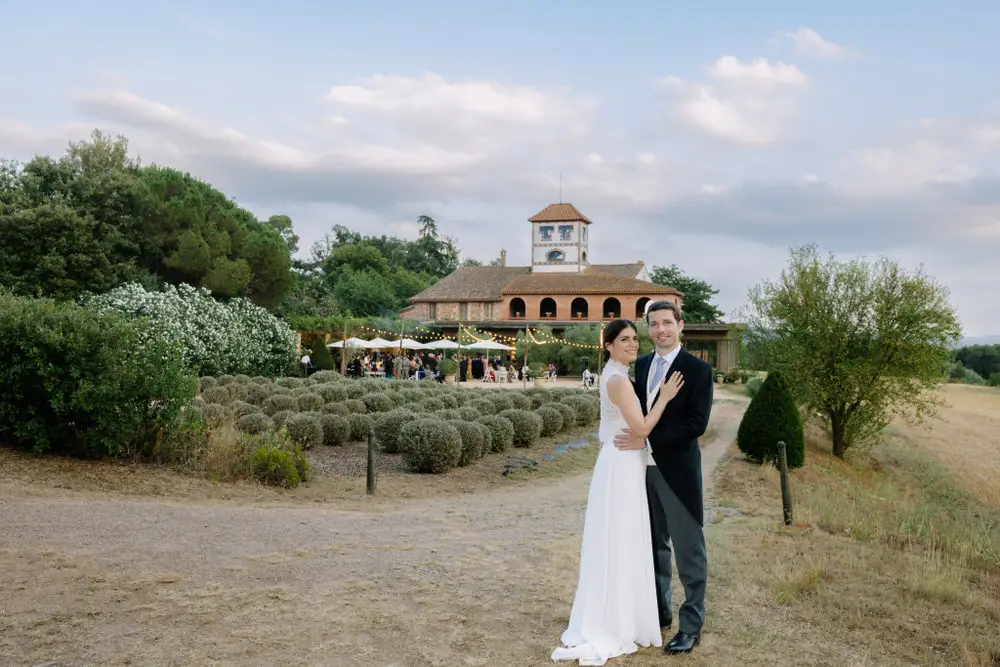
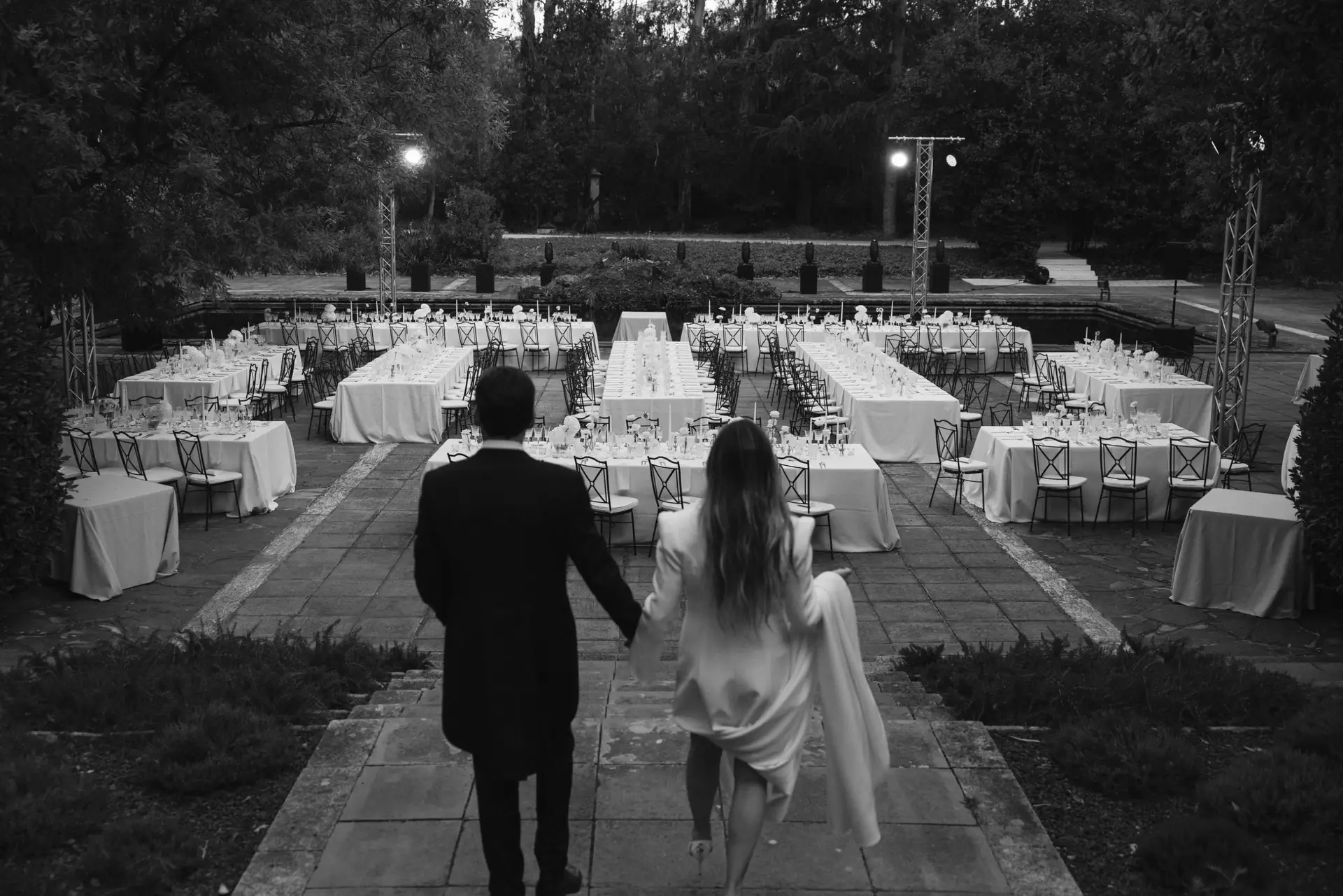
If I can see the reception space before everyone enters, I like to make a few photographs that establish how you've prepared it. A wider frame shows the room, layout, and light. Closer images can capture the floral arrangements, menus, table settings, or personal details that matter to you.
This doesn't require turning the room into a catalog. I would rather photograph the design in a way that feels connected to the wedding and then move back to the people. If a beautifully styled room is important, ask the venue and planner when it will be fully ready and whether there will be a brief window before guests enter.
After everyone sits down, those perfect wide photographs may no longer be possible, and that's fine. At that point the room has become a place where people are living the day, which is another story worth capturing.
Cocktail hour and the people you invited
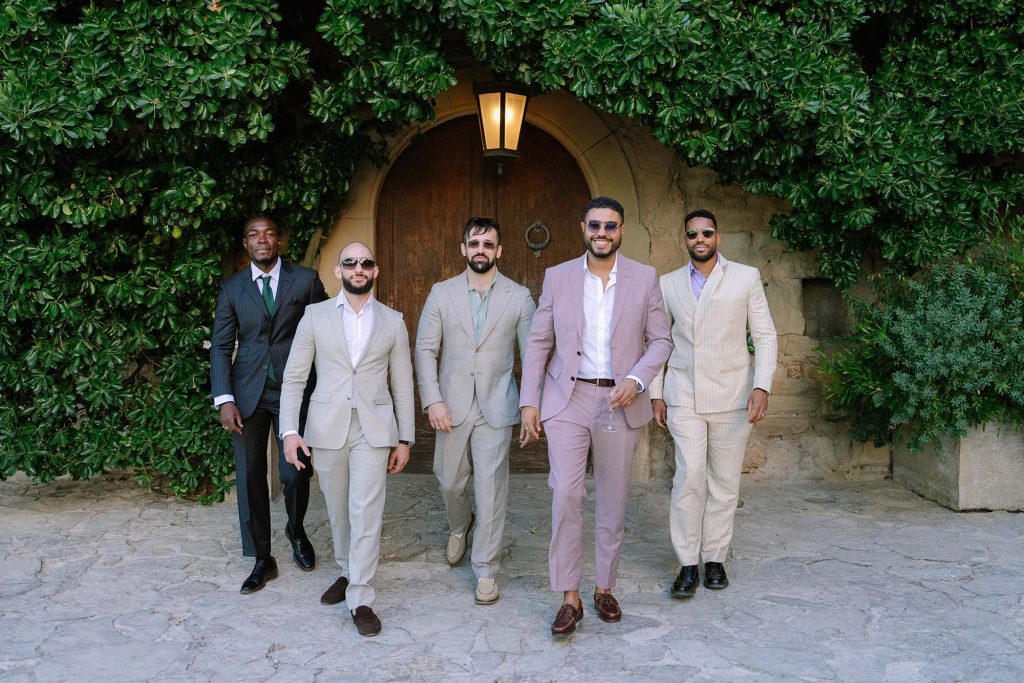
The cocktail hour can be one of the richest parts of a gallery because guests are relaxed and interacting naturally. I look for greetings, conversations, laughter, small groups, and the way the couple moves among the people they've invited. Some of the best photographs happen when nobody realizes they're being photographed.
This doesn't mean every guest will appear in an individual portrait. At a large wedding, that is rarely a realistic promise unless it is planned as a specific task. If there are people you especially want photographed together, a short family and group photo plan is more reliable than hoping every combination appears spontaneously.
I also like to give you room to enjoy the reception. I don't need to interrupt every conversation for a photograph. Natural coverage depends on people feeling comfortable enough to forget about the camera.
Entrances, dinner and the change in atmosphere
Some receptions have a formal couple entrance, a grand reveal, or a transition between several spaces. Others move quietly from drinks to dinner. Neither needs to be made more dramatic for photography. I want the images to reflect the energy you have actually created.
The light often becomes more complicated as dinner begins. Candles and decorative bulbs create beautiful depth, but may not illuminate faces strongly enough to photograph moving people. I may work with the room's light for wider atmospheric pictures and use a little flash for a reaction or moment that needs more clarity.
I wouldn't want a candlelit venue to look like a bright conference room in the finished gallery. At the same time, I want you to be able to recognize friends in a photograph. Good reception coverage is a negotiation between those two needs.
Speeches are mostly about reactions
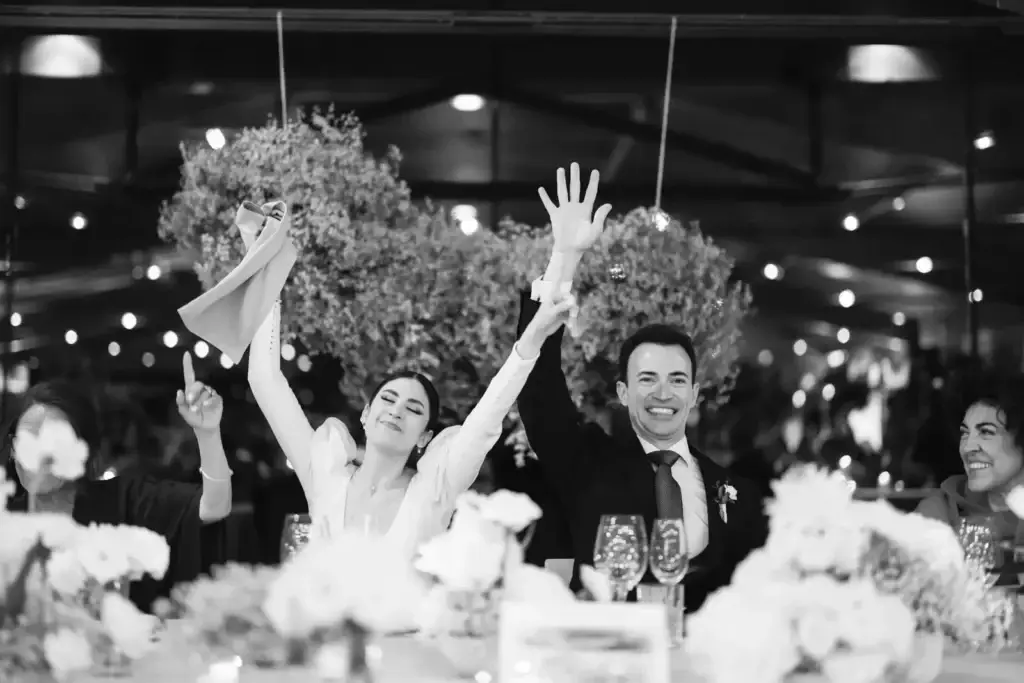
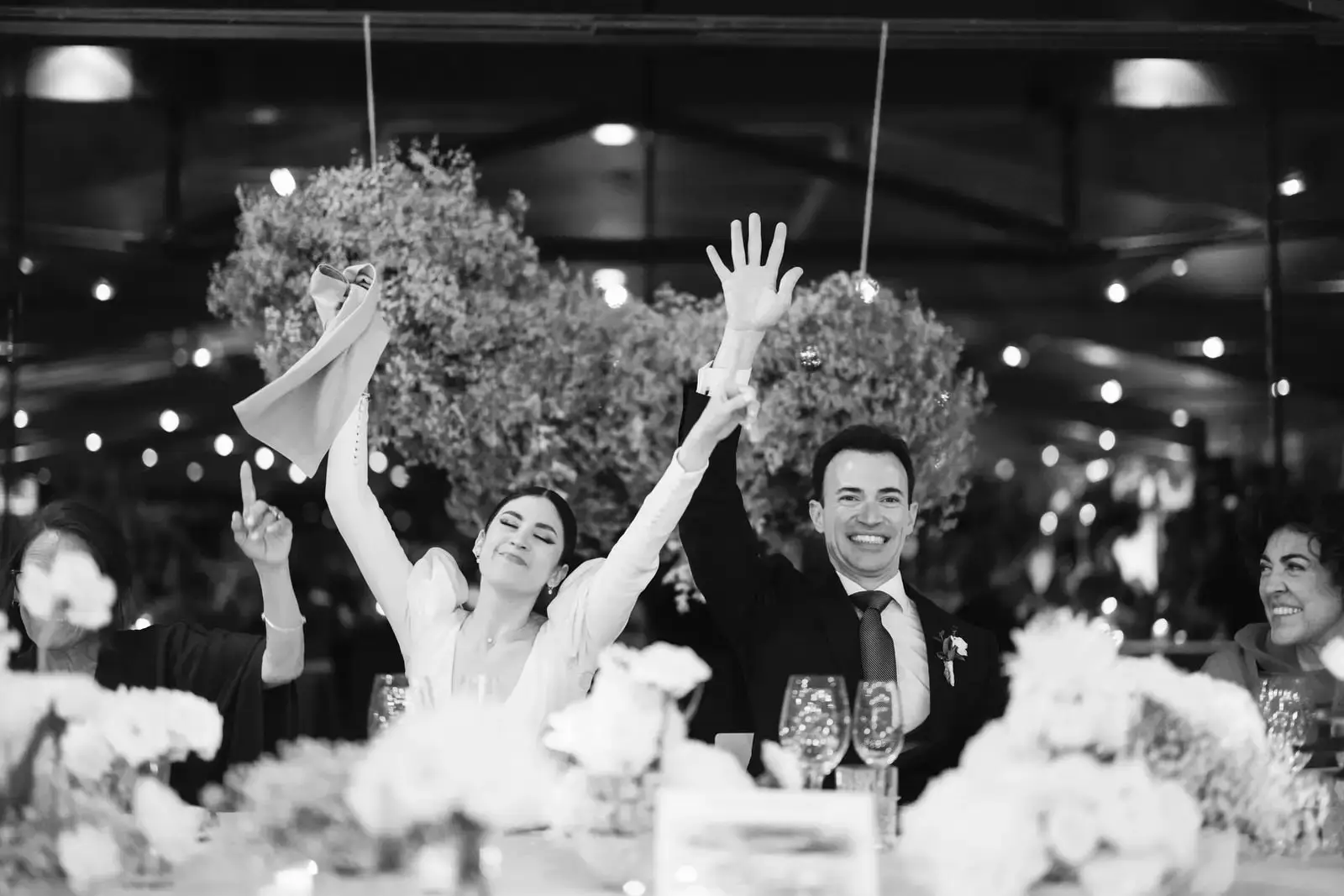
The speaker is important, of course, but a photograph of someone holding a microphone doesn't tell the whole story. I also watch the couple, parents, friends at the tables, and people who are trying very hard not to cry. A speech creates a conversation between the person speaking and everyone listening, even when only one person has the microphone.
If several people are speaking in quick succession, a photographer needs to anticipate positions and sightlines. It is useful to know roughly when speeches will happen, who will speak, and whether they will stand in one location. A surprise speech can still be wonderful, but advance knowledge helps avoid missing an important reaction.
There is no need for the speaker to stop and face the camera. The most meaningful photographs often happen when people are too occupied with the words to notice me.
The first dance and other traditions
First dances, cake cuttings, cultural traditions, and performances vary enormously between weddings. For a first dance, I want a few frames that establish the whole scene as well as closer moments where you can recognize expressions. If there are sparklers, confetti, unusual lighting, or a choreographed entrance, it helps to know in advance.
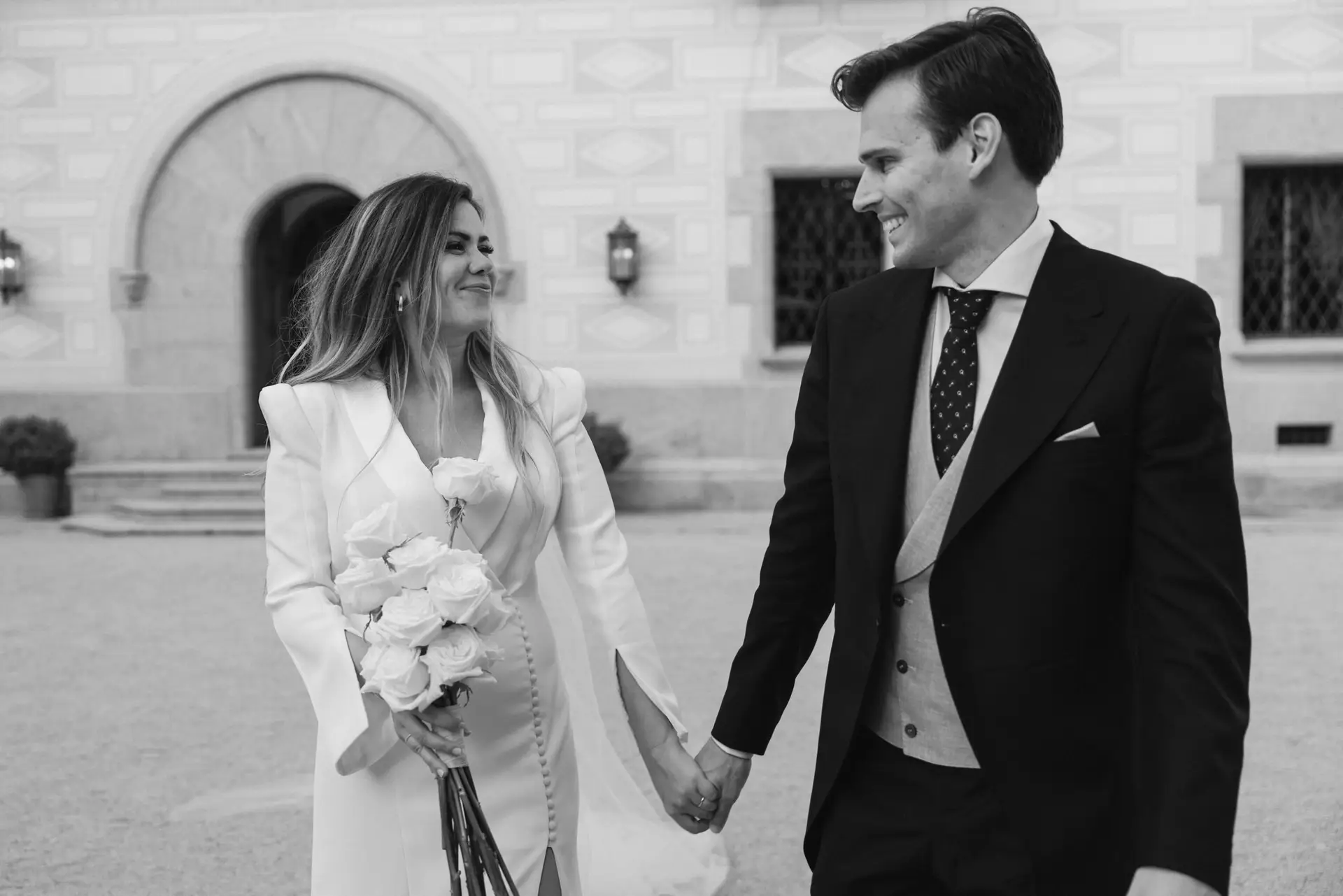
Sometimes couples worry that they need to perform perfectly for the photographs. You don't. A first dance can be elegant, funny, improvised, or a little awkward, and the photographs can be beautiful in every case. I care more about the way you look at each other than whether every step is correct.
If an activity will happen in very low light, discuss it beforehand. The photographer may need a position with a clear view, a little additional light, or enough time to move safely into place. Those small preparations make it easier to stay unobtrusive when the moment arrives.
Photographing a dance floor that feels alive
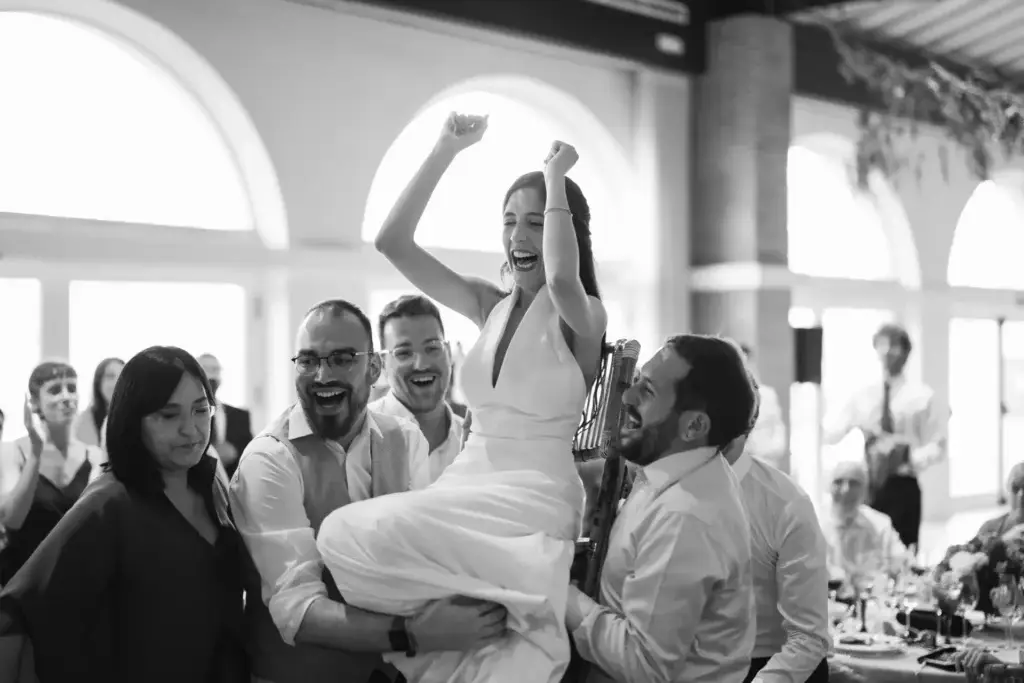
The dance floor is a different visual world from the ceremony. People move unpredictably, colored lights flash, and the best frame can happen and disappear in a second. I may work with direct flash, ambient light, or a combination of techniques depending on the music, movement, and overall aesthetic.
I love being close enough to show energy and expression without asking people to arrange themselves for the camera. Some pictures will be sharp and graphic; others may include intentional motion blur. Together they should make you feel the music and the atmosphere rather than resemble a row of formal portraits.
There is also a natural rhythm to the party. The first ten minutes after the dance floor opens can be wonderful, or it may take time for people to join in. Rather than prescribing a universal number of party photographs, I would look at your actual schedule and coverage hours.
How many hours of reception coverage do you need?
It depends on which events you want remembered. If speeches are at dinner and the first dance comes much later, a photographer leaving immediately after the meal may miss a significant part of the story. If you're planning a quieter reception without a late party, extended coverage might not add much value.
I suggest identifying the final important event first, then checking whether your coverage comfortably reaches it. Don't choose hours solely because a package says “full day.” Ask for the actual starting and ending times in writing and think about transport between locations, meal service, and any delays.
For weddings with activities happening in separate spaces, a second photographer may help cover more guests or simultaneous moments. But that decision is about real logistics, not an automatic formula based on guest count.
What a complete reception gallery should show
You should be able to remember where you celebrated, who was there, the moments everyone expected, and the surprises nobody planned. A good gallery includes people as well as decor, wide frames as well as details, and the quieter transitions between the obvious highlights. It's a record of the evening as an experience.
That is also why I would ask to see an entire reception when choosing a photographer. A portfolio often favors dramatic dance-floor frames. A full gallery shows whether they can photograph speeches, dinners, guests, and difficult lighting with the same level of care.
Frequently asked questions
Should we provide a reception shot list?
Give your photographer the schedule and highlight any unusual activities or people with specific roles. A complete list of generic images is usually unnecessary. The most useful information is what is unique to your celebration.
Will we get photographs of all the table decorations?
That depends on access and time. A few room-wide views and representative details are often more meaningful than photographing every table separately. If a particular design element matters, tell the photographer and planner so there's a chance to capture it before guests arrive.
Can the photographer capture the dance floor in a very dark venue?
Usually, with the right techniques and realistic expectations. Flash may be helpful, and there may be more visible grain or movement than in daytime images. Ask to see a comparable evening gallery before booking. My low light photography guide explains the practical choices involved.
What I hope the reception photographs bring back
I want you to remember more than how the room looked before dinner. I want you to see the people who made it come alive, the expressions during speeches, and what the party felt like when nobody was thinking about photographs anymore. If that sounds like the kind of gallery you'd love to have, get in touch and tell me a little about the celebration you're planning.
For the wider planning context, see planning your wedding timeline.
You can also explore more wedding photography advice.
To see whether my approach fits your wedding, explore my photography portfolio and tell me about your date and venue.