By Alejandro Cebrián · Sunnydays Fotografía
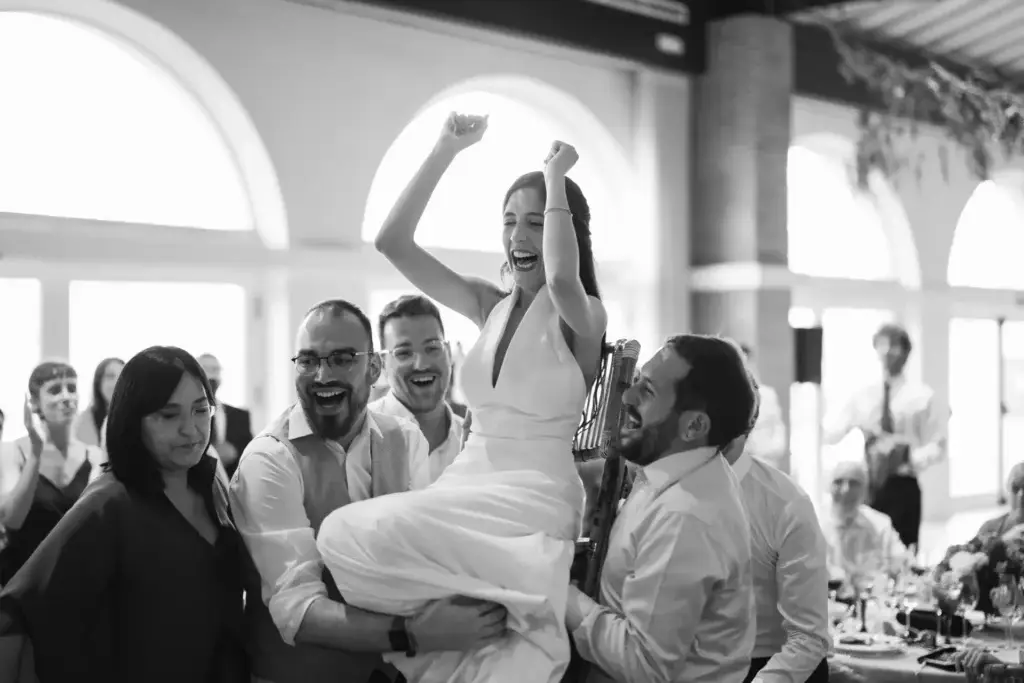
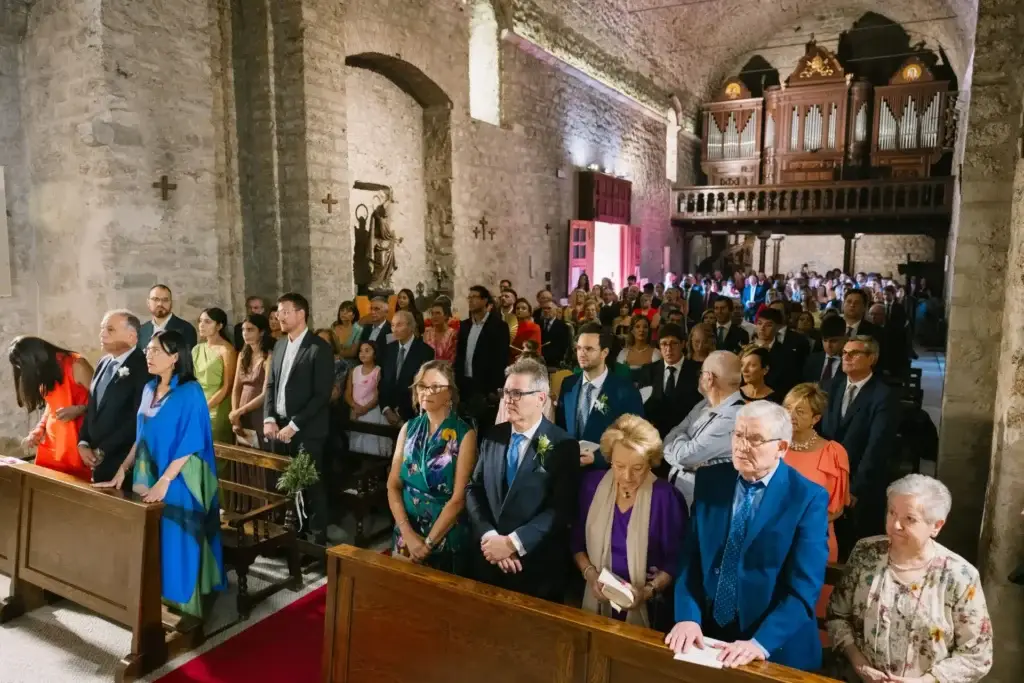
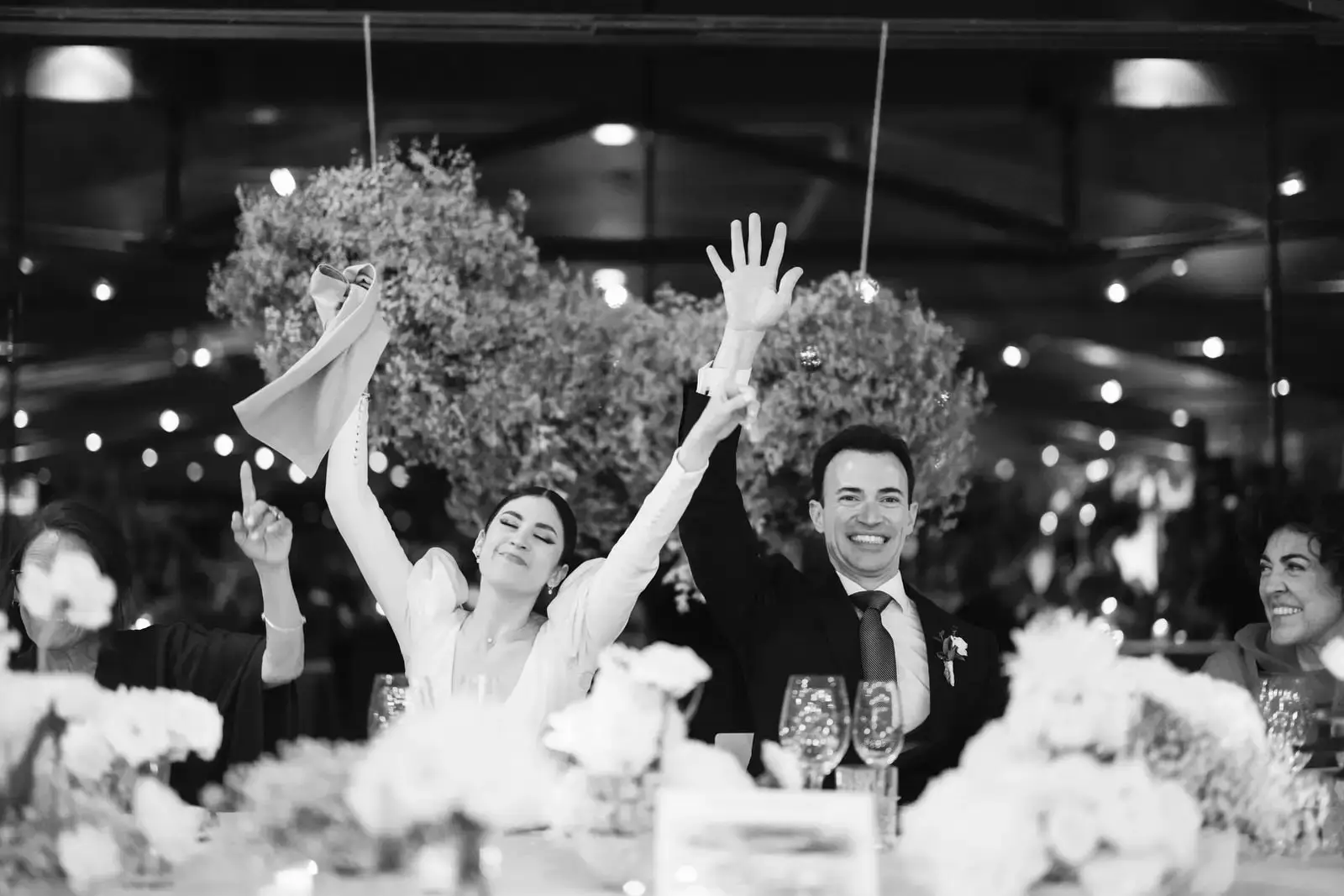
Wedding speeches give me something I can't create by asking people to pose: a room full of genuine reactions to words that mean something. You'll want photographs of whoever is speaking, of course, but the images I often find most valuable are the faces of the people listening. A parent trying not to cry, a friend laughing before the punch line is finished, or the two of you exchanging a look can tell the story of that speech far better than a single photograph of someone holding a microphone.
Speeches can happen during the welcome party, cocktail hour, dinner, or just before the first dance. Every arrangement has advantages, but photography is usually easiest when the timing and location are clear. You don't need to arrange the event around the camera; it just helps to know what is going to happen.
The speaker is only half the story
I will photograph the person giving the speech, including their expression and gestures. But I also look for the people they're addressing. Sometimes a room laughs together; sometimes only one person understands a private reference. That contrast is part of what makes the photographs interesting.
If both partners are seated together, I try to find an angle that shows their reactions clearly rather than photographing only the backs of their heads. I may also look toward family members or other guests whose reactions are especially meaningful. It isn't possible to capture every face at exactly the same moment, which is why having an unobstructed view and, in some situations, a second photographer can help.
I care about the setting too. A wide photograph can show the room, the table arrangements, and the speaker surrounded by people. A close photograph gives the emotional detail. Together, they make a sequence that feels like the experience rather than a series of headshots at a microphone.
Where to stand for a speech
People sometimes give speeches from wherever they happen to be seated. That can be charming, but the photographer may face a row of glasses, flowers, or guests between the camera and the speaker. If a small, convenient standing position is possible, it can make the person visible to everyone and create clearer photographs without turning the moment into a stage production.
I wouldn't insist on a lectern or a dramatic spotlight. A quiet place beside the head table may be perfect. Ideally, the speaker is not directly in front of an excessively bright window while the couple sits in darkness. Balanced lighting helps both the people speaking and the people reacting look natural in the same story.
If the venue already has a fixed microphone position, let me know during the final timeline conversation. I can anticipate where the best angles may be and discuss any lighting concerns with the team. Small decisions made before guests sit down are much easier than trying to rearrange the room in the middle of a heartfelt speech.
Lighting is worth discussing before dinner
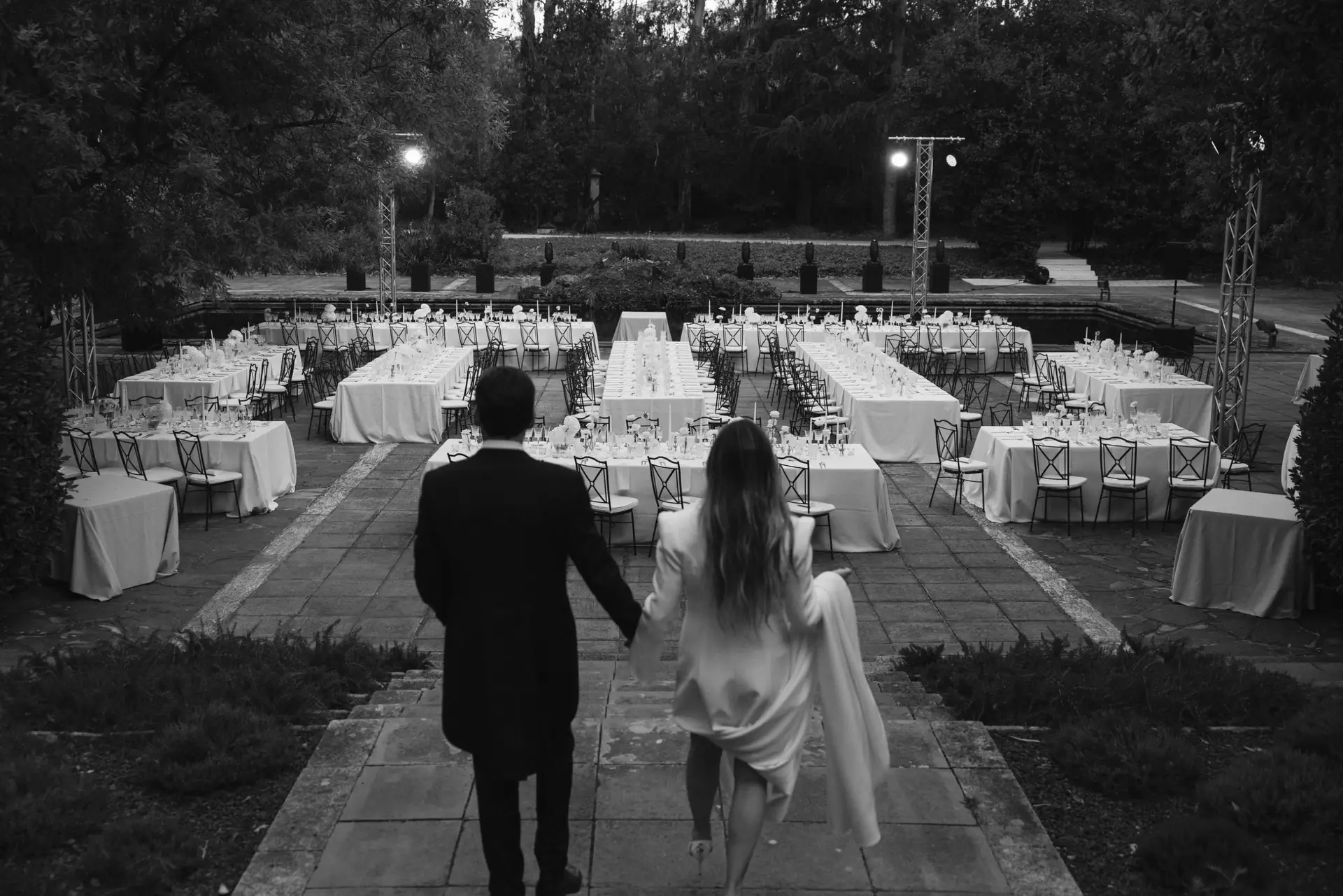
Restaurants and wedding venues often dim their lights during dinner, which creates an intimate atmosphere but changes what the camera can record. Modern cameras can work in low light, and a photographer may use flash or another lighting method when appropriate. Those choices depend on the venue, the mood, the distance, and whether artificial light is permitted.
I'm not interested in flooding a beautiful room with harsh light. Equally, I don't want important faces to disappear into darkness because nobody checked the lighting. If there is a dedicated spotlight for the speaker, it helps to consider where it falls and whether the couple will remain visible.
If you have a videographer, sound matters as well. Ask the AV or venue team about microphone access and recording arrangements, and let the photography and video teams coordinate their positions. You shouldn't need to resolve that technical conversation during dinner.
Timing the speeches for natural photographs
I like to know the speaking order, approximate timing, and who is involved. A speech announced as a surprise to the couple can still be shared discreetly with the planner or photographer. That way, I can be in the right part of the room when it begins instead of photographing something else outside.
The exact minute isn't as important as a reliable cue. If dinner is running late or the caterer asks to shift the speeches between courses, the coordinator can let the photo and video teams know. The best photographs come when I can anticipate the event and watch people, not when I'm chasing the microphone from across the venue.
I wouldn't recommend scheduling a dozen long speeches just to generate more emotional photographs. Do what makes sense for your families and guests. A short, sincere toast can produce a wonderful sequence, while a longer one can have quieter moments that deserve the same attention.
What to tell your photographer about the people speaking
Names and relationships are incredibly useful when briefing your wedding photographer. Tell me who will speak and whether a particular connection matters to you: a parent who rarely speaks publicly, a sibling with a shared story, or a friend arriving from overseas. I don't need to know the content of the speech, but that background helps me recognize the reactions you may especially want remembered.
If someone is nervous about being photographed, I will work discreetly. I don't want a nervous speaker to feel as though there's a camera inches from their face throughout the whole toast. A respectful distance can still produce intimate images with the right timing and equipment.
You can also warn me about unexpected practical details, such as a video message played on a screen or a performance that requires an instrument. Those deserve more than an accidental snapshot after they've begun.
Should the couple look at the speaker or the camera?
Please look at the person who is speaking to you. Laugh, cry, listen, hold hands, and be fully in the moment. Those expressions are exactly what make the photographs personal. The camera is my responsibility, not yours.
You also don't need to worry about whether you are sitting in a flattering way every second. I'll look for good angles and the moments between expressions. Trying to hold a camera-ready smile through a meaningful speech usually makes people feel more self-conscious, and the result is less natural.
A simple plan for better speech photos
Share the approximate speech order and venue location with your photographer. Make sure the speaker can be seen from at least part of the room. Ask the coordinator to communicate last-minute changes and check whether the lighting is sensible for both the speaker and the couple. Then stop thinking about the photographs and enjoy what people have prepared for you.
If two important things will happen simultaneously, that's when we discuss whether the coverage plan needs another professional. The aim is to record the whole sequence honestly, not to interrupt it for a technically perfect shot.
Frequently asked questions
Should speeches happen before or after dinner?
Both can work. The right choice depends on the catering timeline, energy in the room, and comfort of the speakers. For photography, clear light and an accurate running order matter more than a universal rule about the meal.
Are flash photographs during speeches distracting?
They can be if used without consideration. A professional should choose an approach suited to the room and coordinate with venue restrictions and the other media team. Natural-looking results do not always mean available light alone.
Can we get photographs of everyone's reactions?
Not every reaction simultaneously, especially with one photographer. Planning positions and using a second photographer where appropriate can widen coverage, but a single instant cannot be documented from every angle.
Enjoy the words, let the photographs follow
Don't stage expressions for the camera, and don't worry about whether the speeches will be emotional enough. Simply give your photographer the timetable and the names that matter. I'll watch the person speaking, but I'll spend just as much attention on the little reactions that show how their words landed with the people in the room.
For the wider planning context, see planning your wedding timeline.
You can also explore more wedding photography advice.
To see whether my approach fits your wedding, explore my photography portfolio and tell me about your date and venue.